How to Change Your Address When You Move: The Complete Checklist



Changing your address when you move involves more than filling out one USPS form. Between banks, subscriptions, government agencies, and your employer, most people forget at least a few accounts until a bill goes to the wrong house. The fix is doing it in the right order, starting with mail forwarding and working outward to everything else tied to your old address.
Here's a practical order of operations so nothing important slips through, whether you're moving across Buffalo or out of state.
When Should You Start Changing Your Address Before a Move?
Start your address change about two weeks before moving day, and finish critical accounts within a week after you're settled. USPS mail forwarding can take several business days to activate, so submitting it early prevents a gap where mail goes nowhere useful.
Some updates, like your driver's license or vehicle registration, have legal deadlines after you move (often 10 to 30 days depending on the state), so don't leave those for "eventually." Set a simple two-phase plan: everything you can update before the move, and everything that requires your new address to already be active, like utility accounts tied to the new property.
How Do You Set Up USPS Mail Forwarding?
You can set up USPS mail forwarding online at usps.com, by phone, or in person at your local post office, and it typically takes about a week to take effect. Forwarding covers most first-class mail and some packages for a limited time, but it is not permanent and it is not a substitute for updating your address directly with senders.
Treat mail forwarding as a safety net, not the whole plan. Magazines, some bulk mail, and certain government correspondence often aren't forwarded at all, which is why the account-by-account updates below still matter even after you've filed the USPS form.
Who Do You Need to Notify When You Change Your Address?
Prioritize anything involving money, identification, or deliveries you rely on: your bank, employer, insurance providers, and the DMV. After that, work through subscriptions, memberships, and less urgent accounts over the following few weeks.
Update First (Before or Right at Move)
- Employer HR and payroll department
- Bank, credit unions, and credit card issuers
- Health, auto, and home or renters insurance providers
- Department of Motor Vehicles (license and registration)
- Voter registration
Update Within the First Few Weeks
- Utility, phone, and internet providers at your old address
- Subscription boxes, streaming services, and online retailers with saved addresses
- Gym memberships and professional associations
- Your child's school records
- Pet microchip registry, if applicable
What Happens If You Forget to Update Your Address Somewhere?
Missing an update usually means delayed mail or a bounced delivery, not a serious problem, but a few exceptions matter more. Tax documents, legal notices, and anything tied to insurance claims can cause real headaches if they go to an address you no longer control, especially if a new resident isn't forwarding your mail.
If you realize weeks later that you missed something, most institutions let you update your address anytime through their app or account settings, no penalty involved. The bigger risk is with government agencies and anything requiring a signature, since those rarely get re-sent automatically.
Should You Update Your Address Before or After Moving Day?
Update anything with a fixed effective date, like your driver's license or voter registration, using your new address as soon as you legally can after the move. For most other accounts, you can submit the change a few days before moving day since the system update itself doesn't require you to physically be there yet.
If your move involves temporary housing or storage before you reach your final address, hold off on the accounts that only allow one change, like your DMV record, until you know the address is permanent. For everything else, it's fine to knock items off the list gradually as part of your broader moving out checklist.
Making the Address Change Easier on Yourself
A simple spreadsheet or notes app list beats trying to remember every account from memory. Group your list into the categories above, check items off as you go, and set a reminder two weeks after your move to catch anything that slipped through.
If you're relocating within the region, working with a crew that knows the area, such as our residential moving services team, means one less thing to manage while you handle the administrative side. And if your move is part of a bigger relocation to a new city, pairing your address change checklist with research on the area itself, like our guide to what it's like living in Buffalo, can help you plan the whole transition instead of just the paperwork.
Once your moving date is locked in, it's worth getting in touch with Alpaca Moving Services Inc. to line up your move alongside your address change timeline, so both are done well before you need your new address to be fully active.
Frequently Asked Questions
How long does it take for USPS change of address to go into effect?
USPS mail forwarding typically starts within 7 to 10 business days after you submit the request, though it can occasionally take longer during peak moving season. Submitting it about two weeks before your move helps avoid a gap in mail delivery.
Can I change my address online for free?
USPS charges a small identity verification fee (typically around $1) to change your address online, while most banks, subscriptions, and other accounts let you update your address for free through their website or app.
Do I need to change my address with the DMV if I move within the same state?
Yes, most states require you to update your driver's license and vehicle registration with your new address within a set window after moving, even if you stay in the same state. Check your state DMV's specific deadline since penalties vary.
What documents do I need to change my address?
Most address changes only require your name and old and new address, but some agencies like the DMV may ask for proof of residency such as a lease, utility bill, or mortgage statement showing the new address.
Does mail forwarding cover packages as well as letters?
USPS forwarding covers most first-class mail and some packages for a limited time, but it doesn't reliably cover everything, including some third-party carrier deliveries. It's still important to update your address directly with online retailers and shipping accounts.
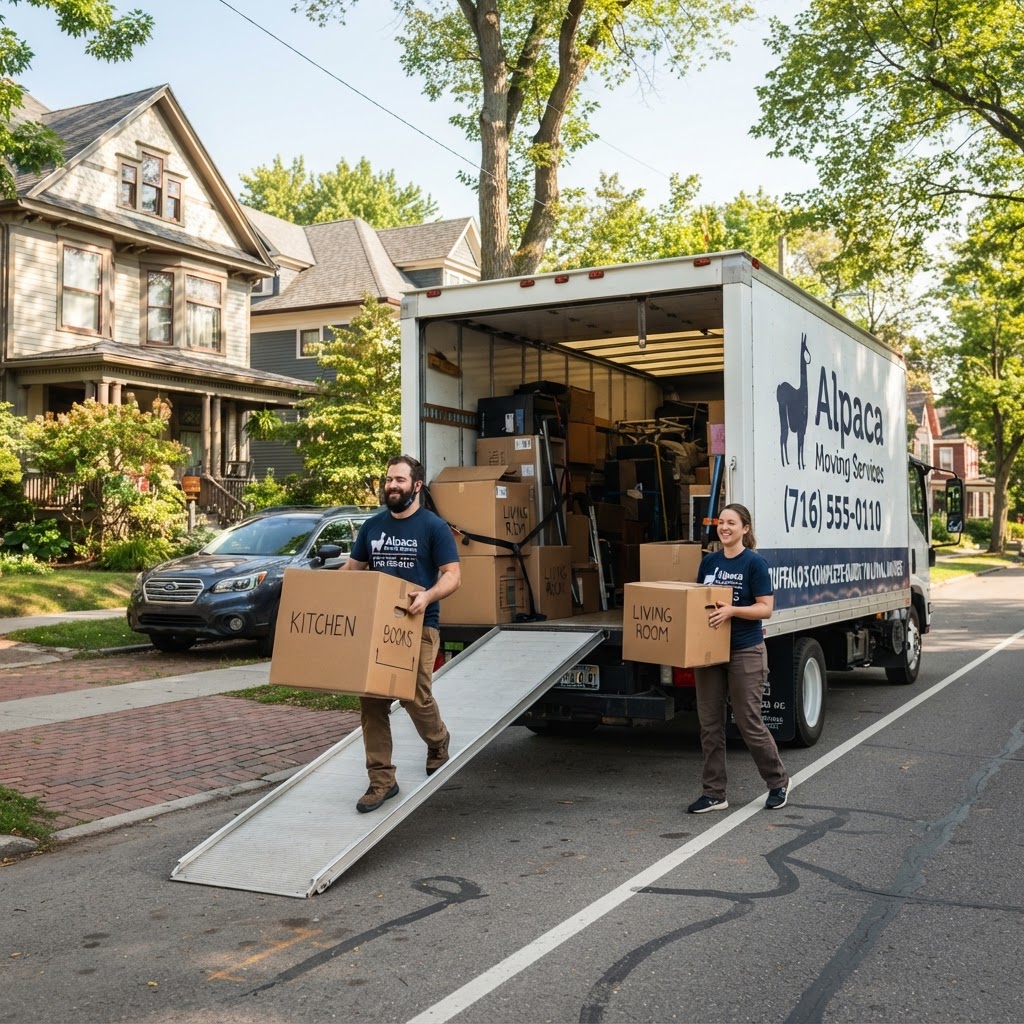
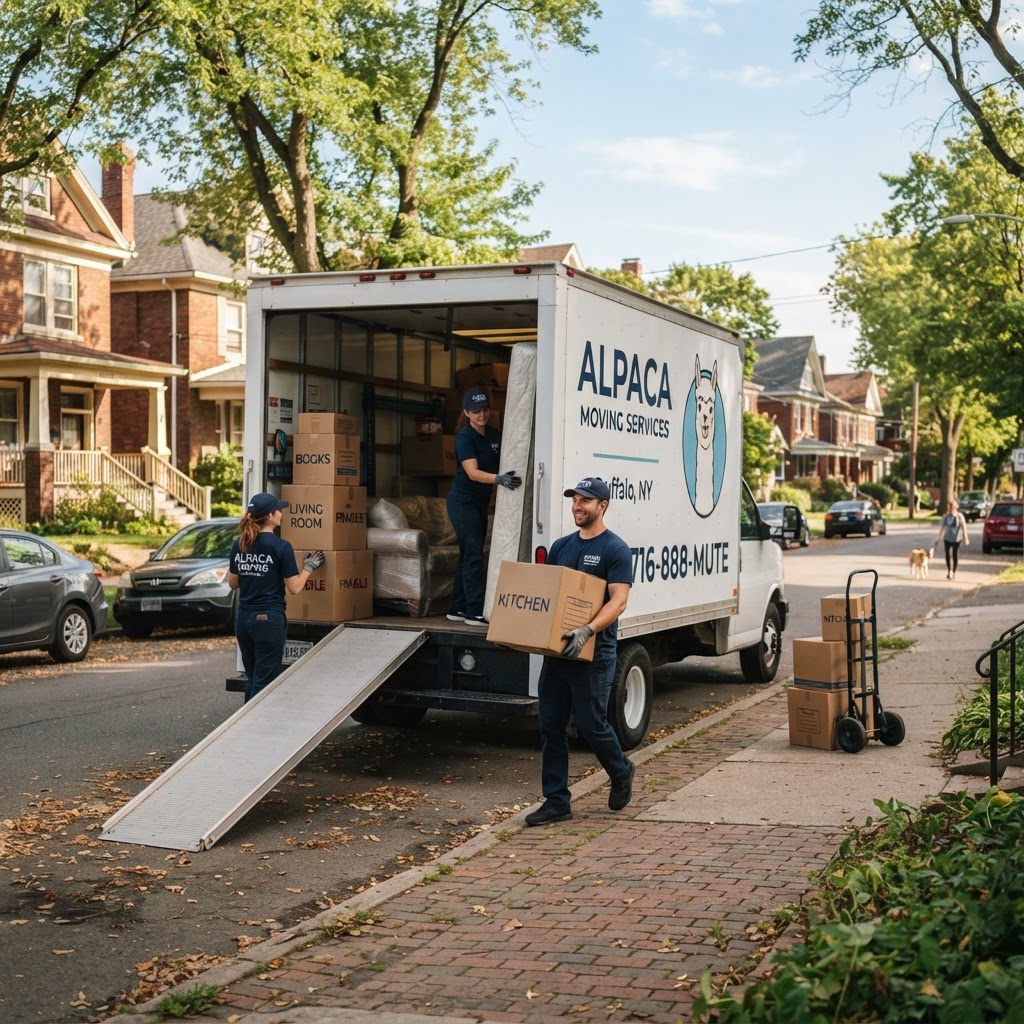
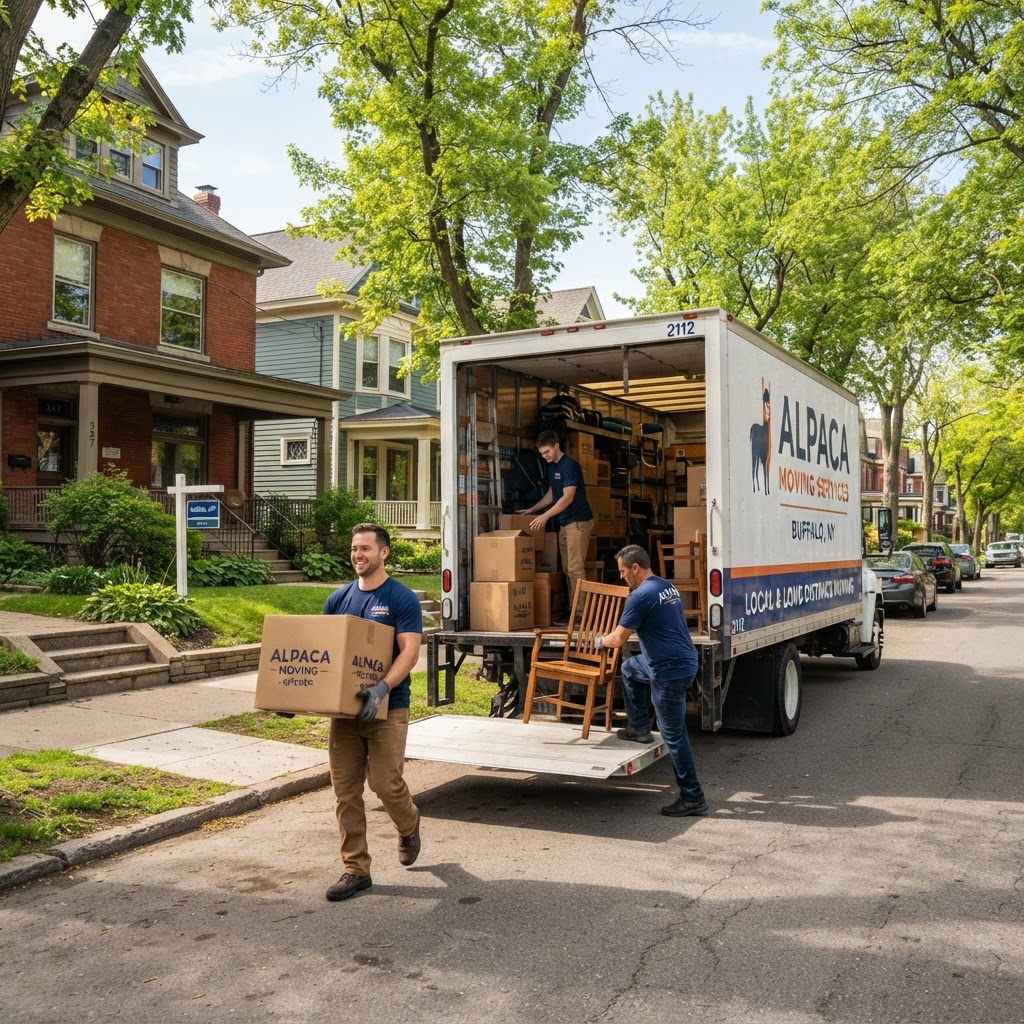
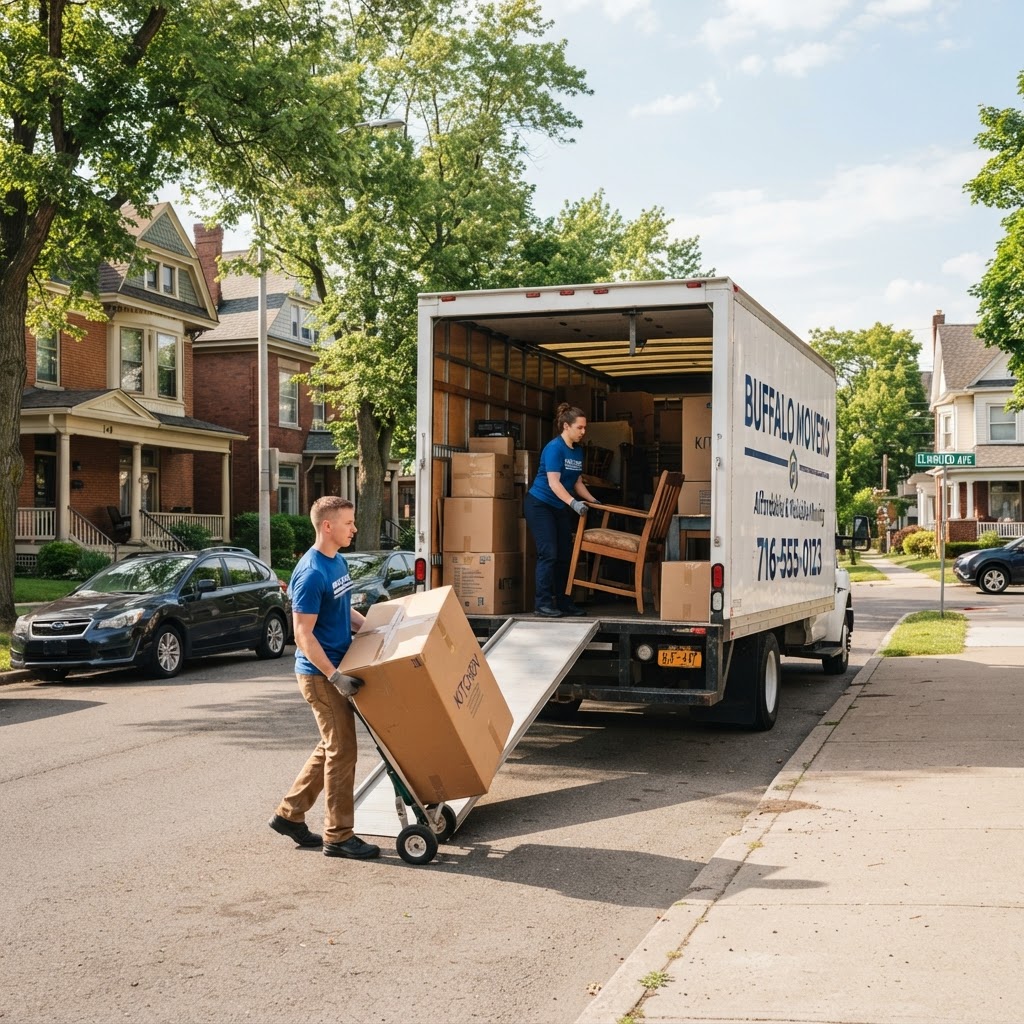
Alpaca Movers has you covered!
.avif)
.png)
Open 24 hrs