Local Movers Buffalo: The Complete Guide to a Smooth, Stress-Free Move in WNY



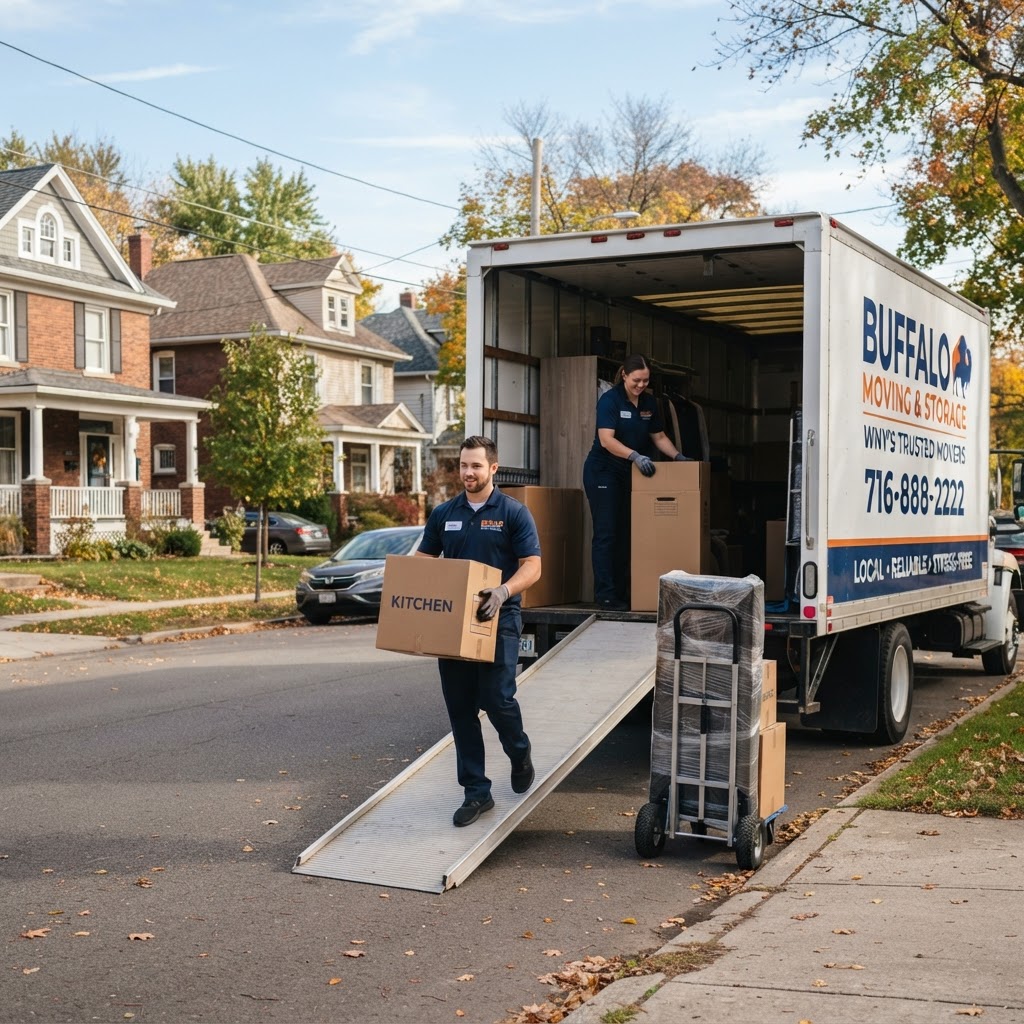
Local Movers Buffalo: The Complete Guide to a Smooth, Stress-Free Move in WNY
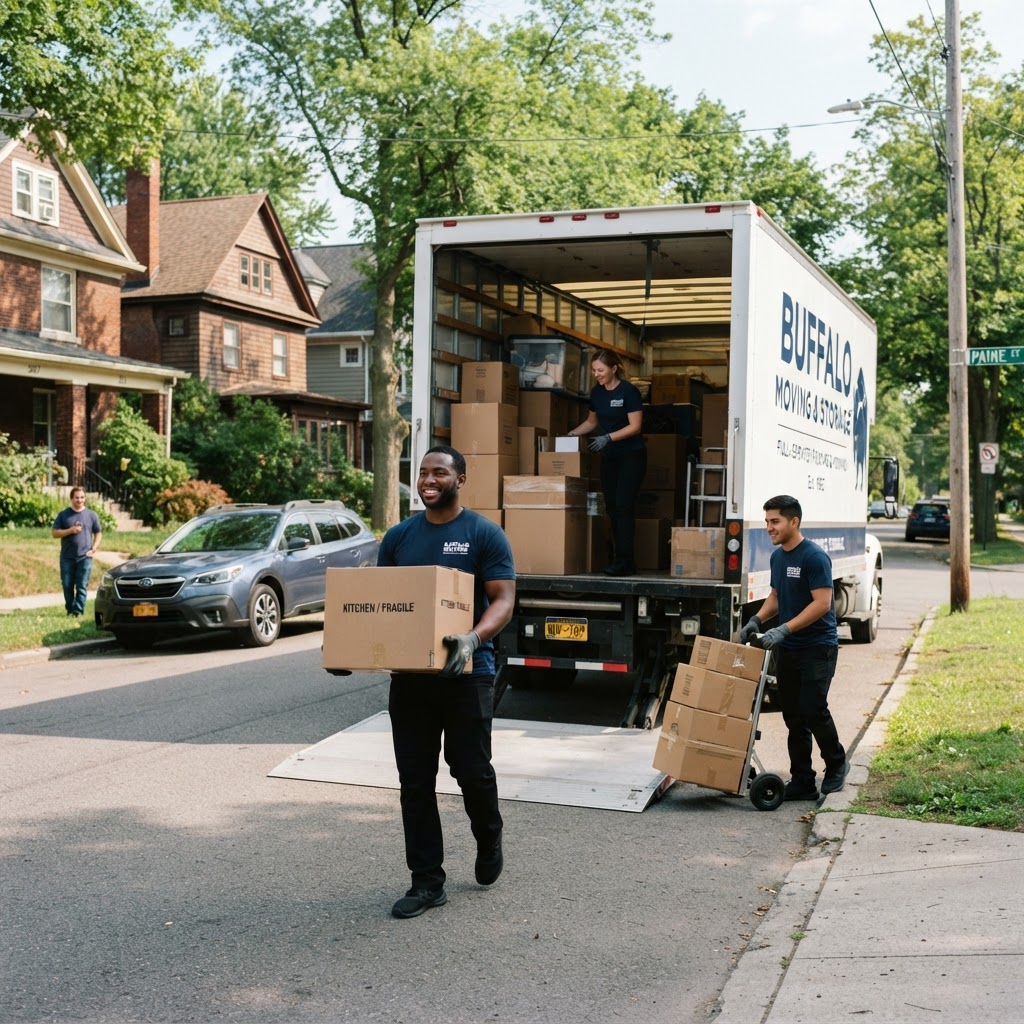
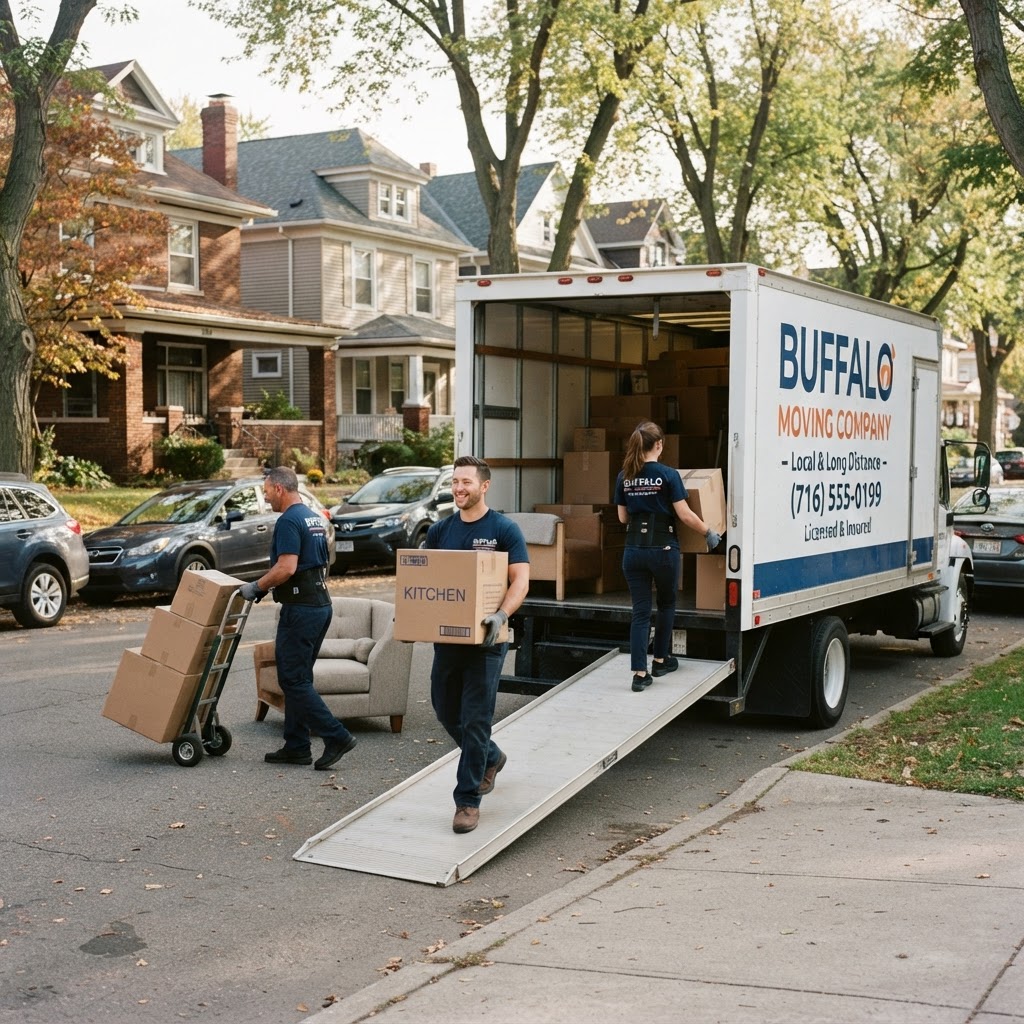
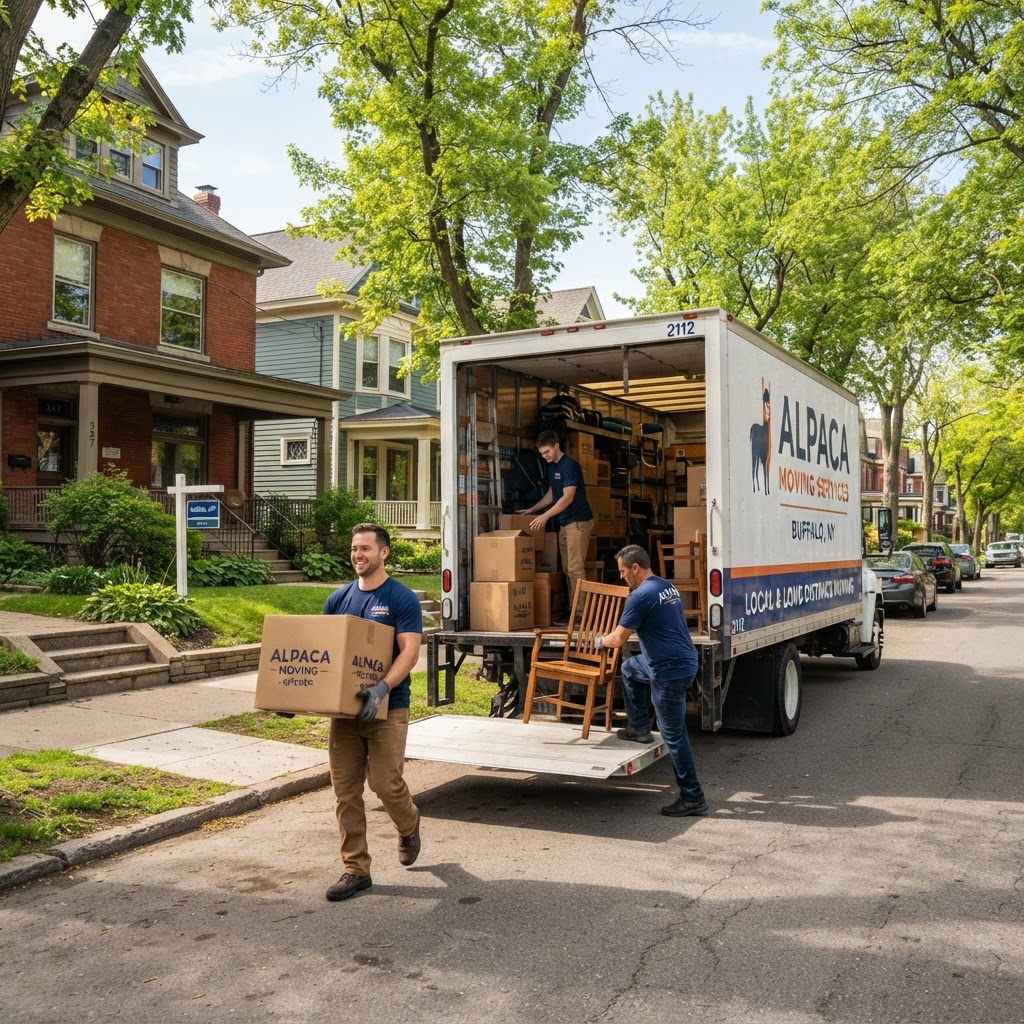
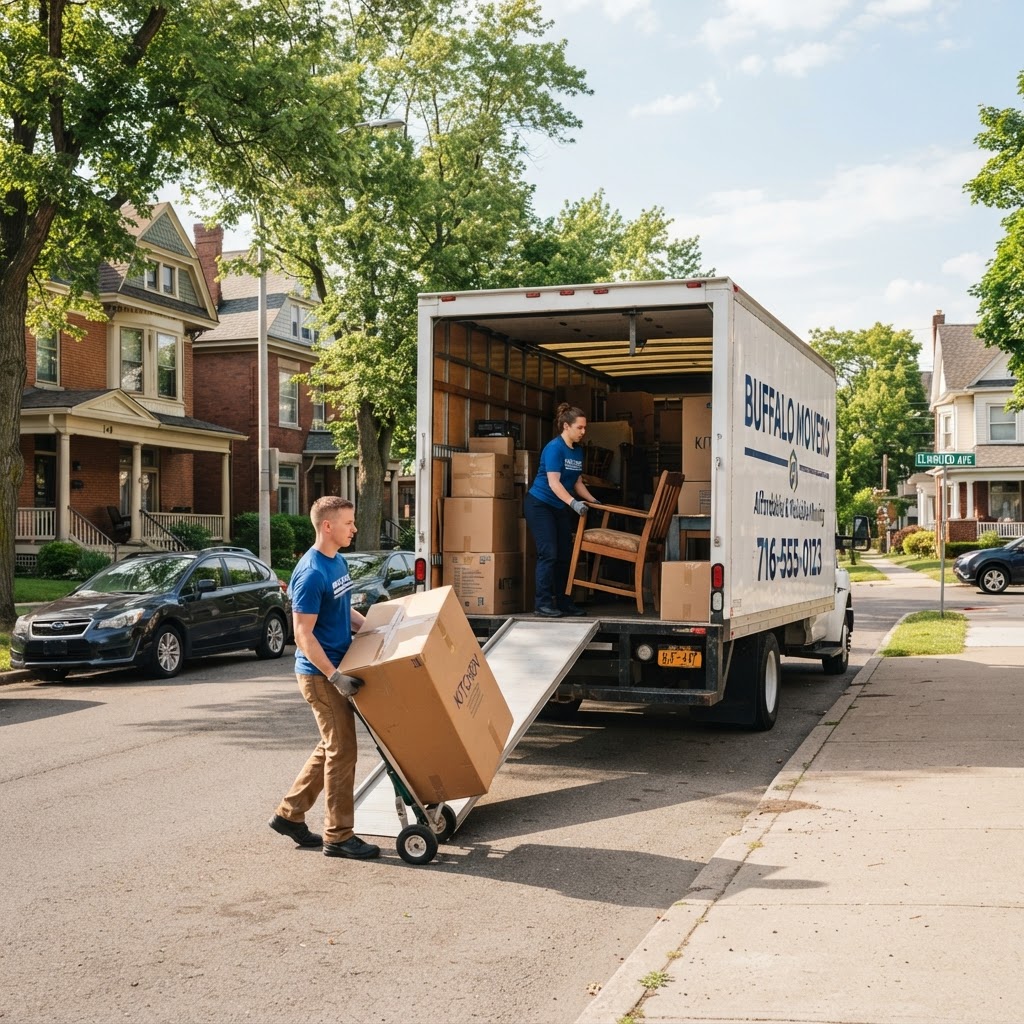
Hiring local movers in Buffalo is one of the smartest decisions you can make when relocating within Western New York. Buffalo's diverse housing stock — from 19th-century brick Victorians in Elmwood Village to mid-century ranch homes in Cheektowaga — presents logistical challenges that out-of-town or inexperienced movers simply aren't prepared for. Narrow staircases, limited street parking, and unpredictable lake-effect weather are all part of the Buffalo moving equation. A professional local moving company like Alpaca Moving Services Inc. understands these conditions firsthand and brings the equipment, experience, and local knowledge needed to handle them efficiently.
Buffalo is a city in the middle of a genuine renaissance. Neighborhoods like Larkinville, Black Rock, and the Elmwood Village are attracting new residents at a steady pace, and the demand for reliable, affordable local movers in Buffalo has never been higher. Whether you're moving from a one-bedroom apartment on Delaware Avenue or relocating a four-bedroom home in Amherst, understanding the local moving landscape — costs, regulations, seasonal timing, and what questions to ask — will save you time, money, and considerable stress. This guide covers everything you need to know to plan a successful local move in the Buffalo metro area.
What Makes Buffalo Local Moves Unique
Buffalo's architecture sets the stage for moving complexity that most generic moving guides don't address. The city is home to thousands of pre-war homes with original narrow doorways, low-clearance stairwells, and radiator systems that protrude into hallways. Moving large furniture pieces like sectional sofas, king-size beds, or antique armoires through these spaces requires specialized techniques and proper padding. Experienced furniture moving services in Buffalo are well-versed in the art of maneuvering through tight WNY interiors without damaging walls or finishes.
Beyond the buildings themselves, Buffalo's street layout creates logistical challenges. Many urban neighborhoods — including Allentown, the West Side, and North Buffalo — have narrow residential streets with limited parking, making it difficult to position a large moving truck close to the front door. Professional local movers in Buffalo know to scout locations in advance, request temporary no-parking permits where necessary, and plan arrival times to avoid peak traffic around the I-190 and Route 33 corridors.
How Much Do Local Movers in Buffalo Cost?
Understanding moving costs upfront prevents unpleasant surprises on moving day. For a typical local move within Buffalo or the surrounding Erie County area, you can expect to pay between $350 and $550 for a one-bedroom apartment with a two-person crew working approximately three to four hours. A three-bedroom home with a three-person crew generally runs between $750 and $1,200, depending on the volume of items, distance between locations, and any specialty items like pianos or gun safes. Most local movers in Buffalo charge an hourly rate ranging from $110 to $160 per hour for a standard two-person crew.
Additional cost factors include flights of stairs (typically $25–$50 per flight beyond the first), long carries when the truck cannot park close to the entrance, and packing services if you need the movers to box up your belongings. For a detailed breakdown of what drives moving costs in the Buffalo area, check out our guide on how much a local move costs. Booking early, choosing a mid-week move date, and having everything pre-packed can meaningfully reduce your total bill. Learn more about the cheapest days to move to maximize your savings.
Best Times of Year to Move in Buffalo
Timing a local move in Buffalo requires genuine awareness of the region's climate. The peak moving season runs from late May through August, when demand is highest and availability is tightest. Summer moves offer the advantage of dry weather and long daylight hours, but they also come with premium pricing and limited scheduling flexibility — booking four to six weeks in advance is strongly recommended during this window.
Fall is arguably the sweet spot for Buffalo movers. September and October offer mild temperatures, lower demand, and more competitive pricing from most local moving companies. However, October in Buffalo also marks the beginning of lake-effect snow season, and early snowstorms can arrive as soon as mid-October. If you're planning a fall move, read our detailed guide on October moving and storage in Buffalo NY to avoid weather-related disruptions. Winter moves are possible and often deeply discounted, but require experienced crews who understand snow and ice safety protocols.
Permits and Regulations for Buffalo Moves
Many Buffalo residents are surprised to learn that local moving permits may be required in certain situations. If your move involves parking a large moving truck on a public street in the City of Buffalo — particularly in densely populated neighborhoods — you may need a temporary no-parking permit from the Buffalo Department of Public Works. These permits typically cost $25–$50 and require 48 to 72 hours of advance notice. Failing to obtain one can result in ticketing or, worse, having your truck towed on moving day.
Higher-density apartment buildings and condominiums — especially in downtown Buffalo and the Medical Campus area — frequently have building-specific move-in and move-out policies, including required elevator reservations and designated moving hours (often 9 AM to 5 PM on weekdays only). Contact your building management office at least two weeks before your move to confirm the rules. For a full walkthrough of the permit process, see our step-by-step guide on how to get a moving permit.
Choosing the Right Local Movers in Buffalo
Not all moving companies operating in the Buffalo market are created equal. The first step is verifying that any company you consider is properly licensed and insured in New York State. Local movers in New York are required to be registered with the New York State Department of Transportation (NYSDOT) and carry adequate liability and cargo insurance. Ask for the company's NYSDOT registration number and confirm it through the state's online carrier lookup tool.
Beyond licensing, look for companies with verifiable Google and Yelp reviews from Buffalo-area customers specifically. A mover with hundreds of five-star reviews from clients in Cheektowaga, Tonawanda, and South Buffalo carries more local credibility than a national franchise with a local branch. Ask prospective movers whether they use their own employees or hire day laborers, whether their trucks are owned or rented, and what their policy is for damaged items. Our resource on questions to ask before hiring a moving company provides a complete checklist to guide that conversation.
FAQ
How far in advance should I book local movers in Buffalo?
During peak season (June through August), book your local movers in Buffalo at least four to six weeks in advance to secure your preferred date and time. During fall and winter, two to three weeks' notice is usually sufficient. The earlier you book, the more scheduling flexibility you'll have.
Do local movers in Buffalo charge extra for stairs?
Yes, most local movers in Buffalo apply a stair surcharge, typically $25 to $50 per additional flight beyond the first. This reflects the extra labor and time required to carry heavy items up and down multiple floors. Confirm stair fees with your mover when requesting a quote.
Is it customary to tip local movers in Buffalo?
Tipping is not required but is widely appreciated. A common guideline is $20 to $40 per mover for a half-day job, or $40 to $60 per mover for a full day of eight or more hours. Tip in cash directly to each crew member at the end of the move.
What should I do if my belongings are damaged during a Buffalo local move?
Document any damage immediately with photographs and notify the moving company in writing within 24 hours. Under New York State regulations, local movers must carry liability coverage and provide a claims process. Keep your Bill of Lading and inventory paperwork as supporting documentation throughout the claims process.
Can local movers in Buffalo also help with packing?
Yes, most reputable local movers in Buffalo offer full or partial packing services for an additional fee. Full packing typically adds $200–$500 to a standard residential move, depending on the volume of items. Providing your own boxes and packing materials beforehand can reduce these costs significantly.
Are there neighborhoods in Buffalo that are harder to move into or out of?
Yes. Allentown, parts of the West Side, and downtown Buffalo present the greatest logistical challenges due to narrow streets, limited parking, and older building layouts. Elmwood Village and North Buffalo can also be challenging during street-cleaning and farmers' market days. A knowledgeable local mover will factor these variables into their planning.
Key Takeaways
- Local movers in Buffalo should be NYSDOT-registered and carry adequate liability and cargo insurance before you hire them.
- The average cost of a local move in Buffalo ranges from $350 for a small apartment to over $1,200 for a larger home with a full crew.
- Summer is the busiest and most expensive season; fall offers competitive pricing and manageable weather conditions in most years.
- Temporary no-parking permits from the City of Buffalo may be required for street-side truck parking, costing $25–$50 with 48–72 hours' notice.
- Buffalo's older housing stock — with narrow staircases and tight doorways — makes it essential to hire movers experienced with WNY home layouts.
- Booking four to six weeks in advance during peak season is the single most effective way to secure availability and preferred pricing.
- Always ask moving companies about their employee vs. day-laborer policy, truck ownership, and damage claims process before signing a contract.
- Reading verified local reviews and asking the right questions will help you separate professional local movers in Buffalo from unreliable operators.
Conclusion
Finding dependable local movers in Buffalo comes down to doing your homework, planning ahead, and partnering with a company that truly knows the city. Alpaca Moving Services Inc. combines deep Western New York expertise with professional equipment and a commitment to transparent pricing. Whether you're crossing town or relocating within Erie County, the right local moving team makes all the difference. Start your planning early, ask the right questions, and your Buffalo move will go smoothly from start to finish.
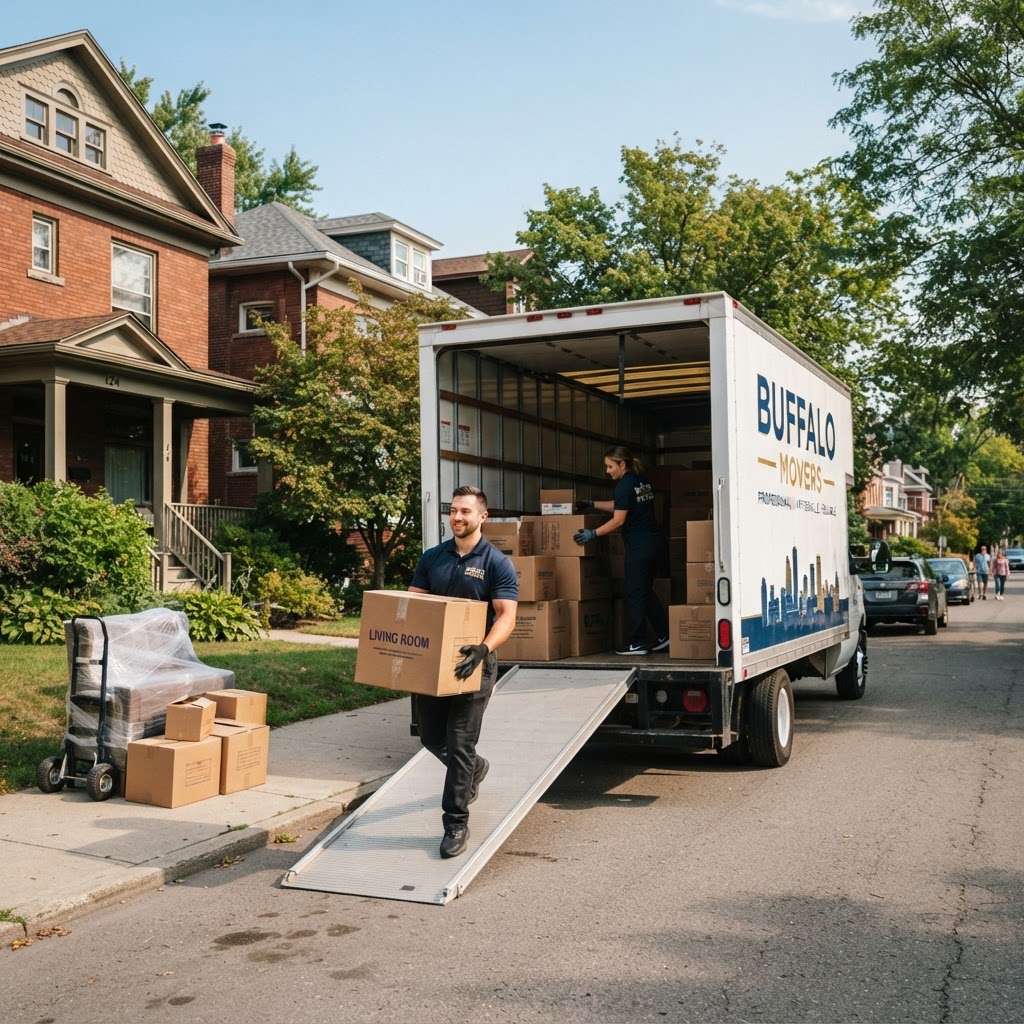
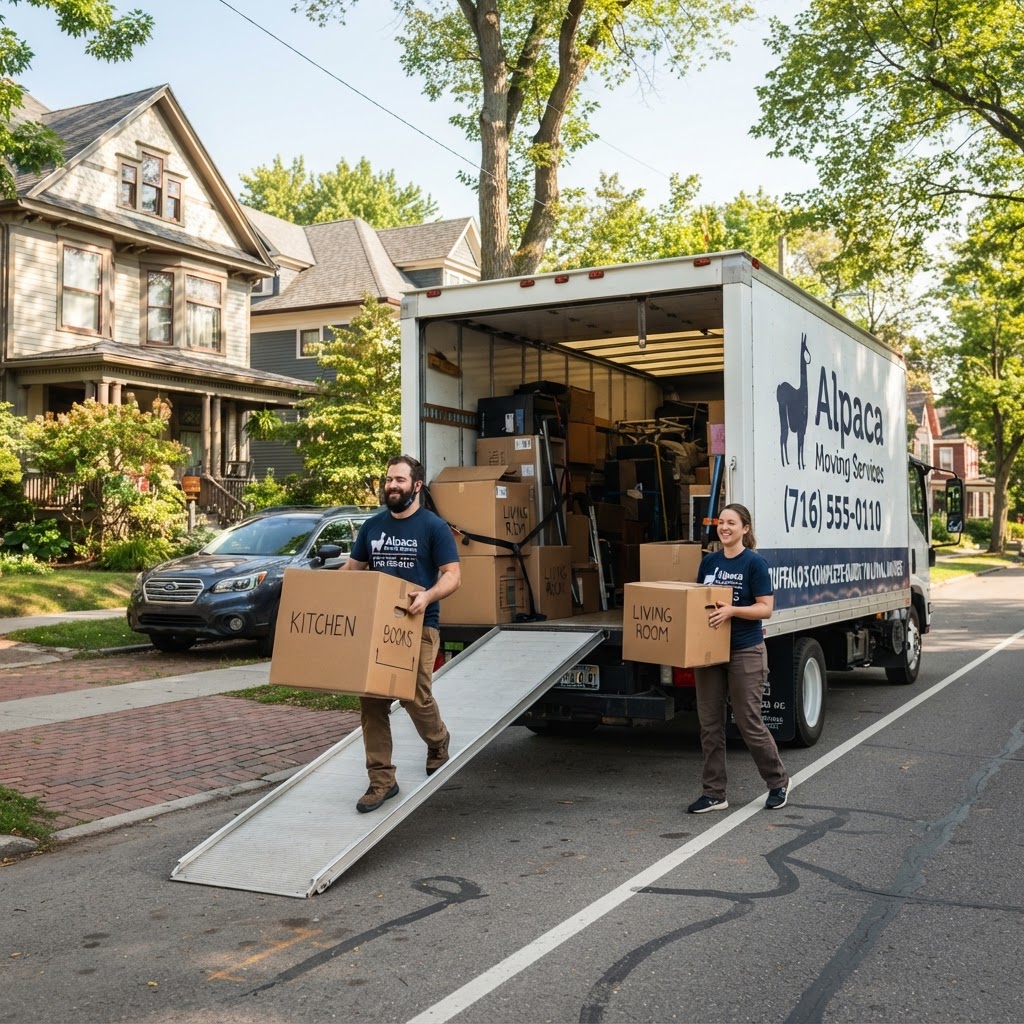
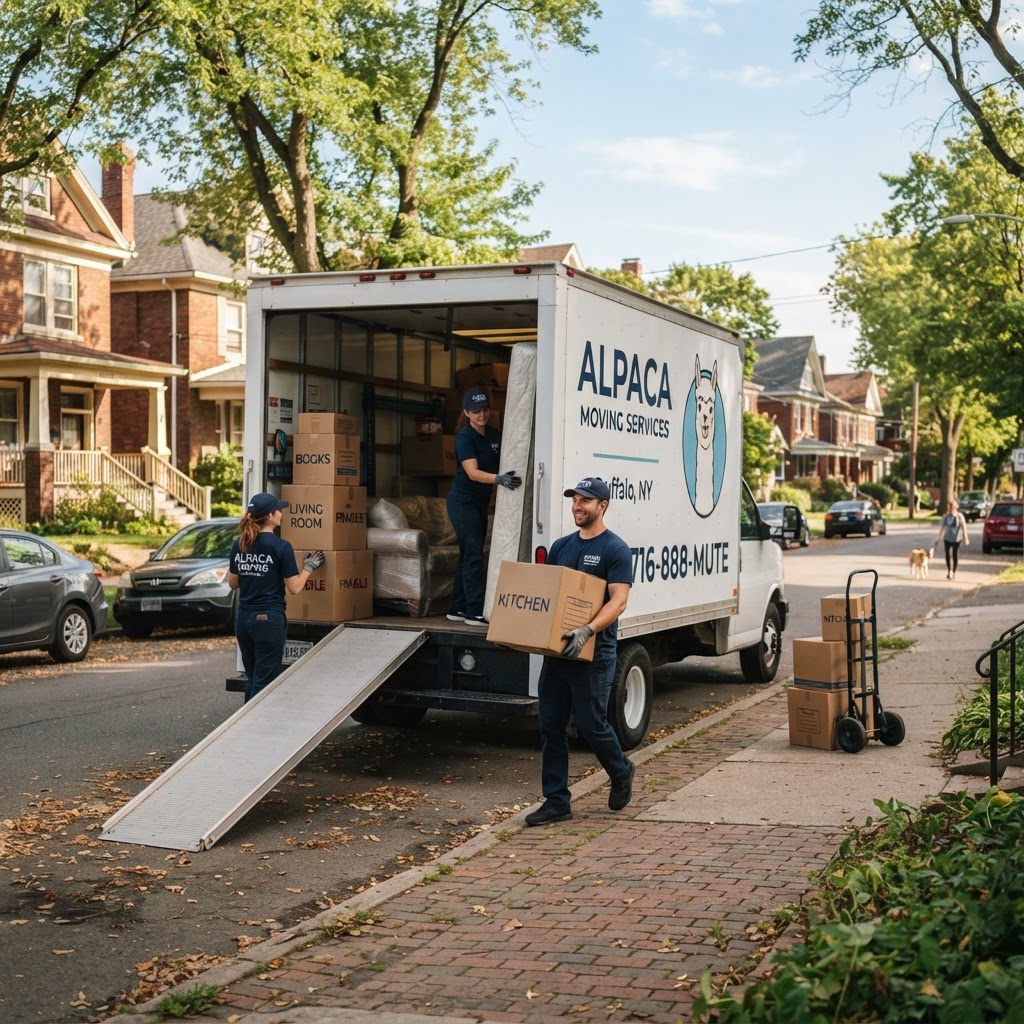
Alpaca Movers has you covered!
.avif)
.png)
Open 24 hrs