How to Move With Fragile and Sentimental Items You Can't Replace



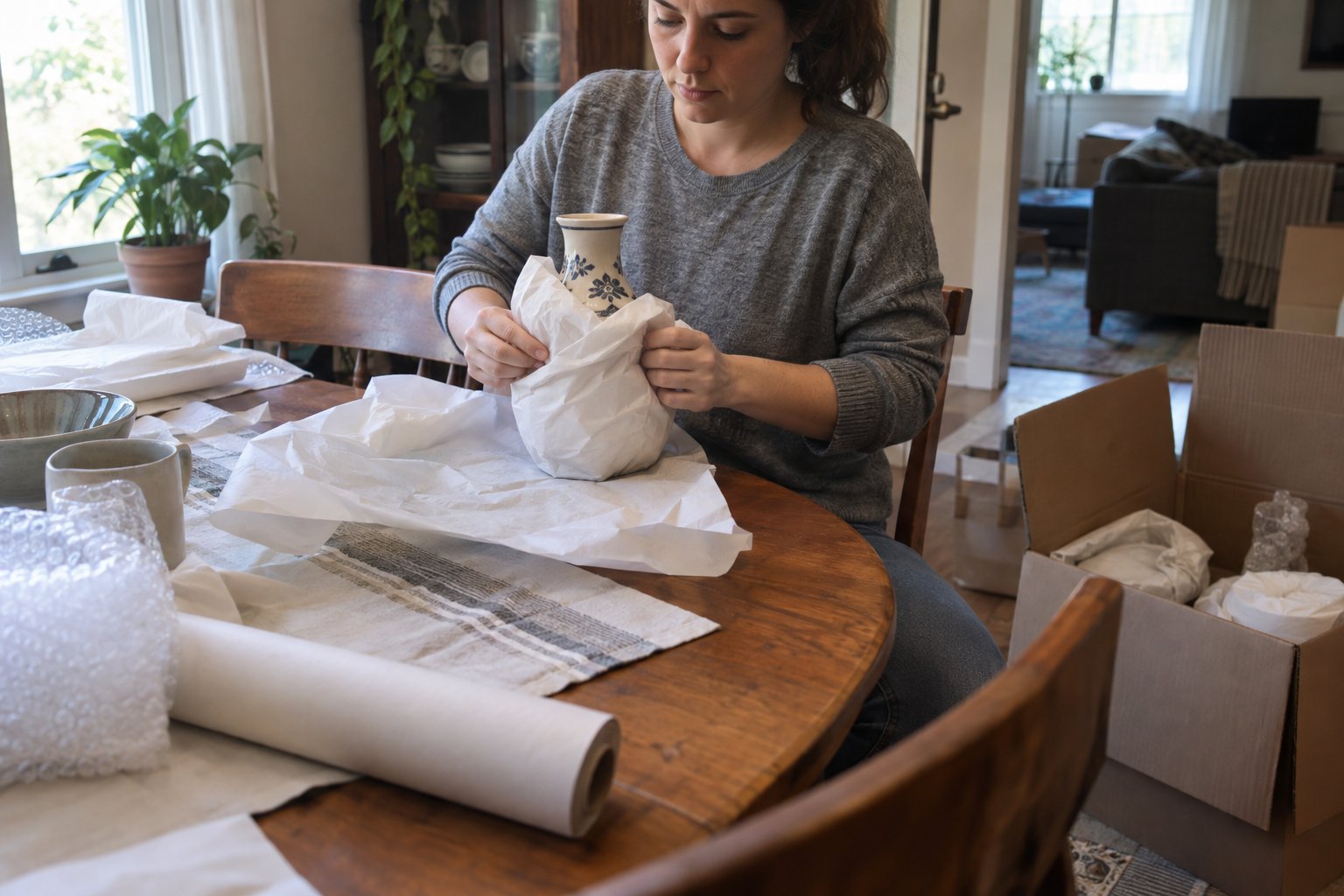
Moving fragile and sentimental items is less about bubble wrap and more about decision-making before you ever pick up a box. The things that keep people up at night before a move aren't the couch or the dresser, they're the things that can't be replaced: a grandmother's china, a hand-blown vase from a trip abroad, a box of childhood photos. Those items need a different plan than the rest of the house.
Here's how to think about protecting what actually matters, from sorting through packing methods to deciding what you should never hand off to a truck at all.
What Makes an Item "High Risk" for a Move?
An item is high risk if it's fragile, irreplaceable, or both. Glass, ceramics, and anything with moving parts fall into the fragile category. Photos, letters, family heirlooms, and one-of-a-kind art fall into the irreplaceable category, even if they aren't breakable at all.
The mistake most people make is treating every risky item the same way. A crystal vase that shatters is a financial loss you can often recover from with insurance or a replacement. A shoebox of your late father's letters that gets soaked or crushed is gone for good. Sort your risky items into these two buckets first, because they call for different levels of caution and, in some cases, different transport decisions entirely.
Fragile but Replaceable
Dishware, glassware, lamps, and mirrors. Careful packing and standard moving insurance usually cover you here.
Irreplaceable Regardless of Condition
Photo albums, jewelry with sentimental history, handwritten documents, artwork by a family member, and heirlooms passed down generationally. No amount of insurance replaces these, so the goal shifts from "protect the value" to "eliminate the chance of loss."
How Do You Pack Fragile Items So They Actually Survive the Truck?
Fragile items survive moves when they have zero room to shift inside their box and a layer of cushioning on every side, not just the outside. Movement, not just impact, is what cracks glass and ceramic in transit.
Use a box that's only slightly larger than the item itself. Line the bottom with two to three inches of crumpled packing paper, wrap each piece individually, and fill every gap so nothing can slide when the box tips or shifts. Dish packs (thick-walled boxes made for glassware and china) are worth buying instead of reusing thin retail boxes, which flex under weight and don't protect corners well.
Mirrors, framed art, and glass tabletops need mirror boxes or cardboard corner protectors and should always travel upright, never flat, since flat storage puts the full weight of other items on the most fragile surface.
Protecting Sentimental Items That Have No Replacement Value
The safest way to move sentimental items is to keep them out of the truck entirely and transport them yourself. If that isn't possible, they need to be packed separately from general boxes, clearly marked, and loaded last so they're the first thing off the truck.
Photos and documents should go in acid-free, waterproof containers, not standard cardboard, which absorbs moisture and can warp over a humid moving day. Digitize what you can before the move: scanning photo albums or important documents gives you a backup that survives even if the physical copy is damaged.
For jewelry, medals, or small heirlooms, a lockable case that travels in your own vehicle removes the risk almost entirely. If you're using professional movers, tell them in advance which boxes are personal-transport-only so they aren't accidentally loaded with everything else.
Should You Ever Let Movers Handle Fragile or Sentimental Items?
Yes, for genuinely fragile but replaceable items, and reputable movers do this every day with the right materials and experience. For truly irreplaceable items, most professionals will tell you honestly that personal transport is safer, and a trustworthy mover won't push back on that.
What a professional crew adds for fragile items is technique you can't easily replicate: proper padding for furniture with glass inserts, correct loading order so nothing heavy sits on top of a fragile box, and stabilization inside the truck so items don't shift over highway miles. If you're weighing whether to pack everything yourself or bring in help, it's worth reading through what professional packing services typically include before you decide where to draw the line.
A move that mixes both approaches, professional handling for the bulk of the house and personal transport for the irreplaceable few, tends to give people the most peace of mind. Alpaca Moving Services Inc.' packing services are built around this kind of item-by-item judgment rather than a one-size-fits-all approach.
Building a Fragile Items Checklist Before Moving Day
A short pre-move checklist prevents the last-minute scramble that causes most breakage. Walk through the house a week ahead and flag anything that falls into either risk category before boxes start getting sealed.
- List every item you consider irreplaceable and decide now whether it travels with you or with the crew.
- Buy dish packs and mirror boxes ahead of time rather than relying on leftover retail boxes.
- Set aside a "personal transport" bin for jewelry, documents, and small heirlooms.
- Scan or photograph sentimental paperwork and photo albums as a backup.
- Label fragile boxes on the top and at least two sides, not just one.
- Tell your moving crew which boxes need to load last so they come off first.
If you're building out your full pre-move timeline, our moving out checklist covers the broader schedule this fits into, from utility transfers to final walkthroughs.
Getting Fragile Items Safely to Your New Home
Protecting fragile and sentimental belongings comes down to two decisions made early: which items are worth the extra materials and time, and which items should never leave your own hands. Get those two calls right and the rest of the move can move at normal speed.
If you'd rather have a crew experienced in fragile-item handling take on the bulk of the packing, get in touch with Alpaca Moving Services Inc. to talk through your move.
Frequently Asked Questions
What is the best way to pack china for moving without breaking it?
Wrap each piece individually in packing paper, place a layer of cushioning between plates rather than stacking them directly, and use a thick-walled dish pack box instead of a standard moving box. Fill any remaining space so nothing can shift during transport.
Should I move photo albums myself instead of putting them on the truck?
If the albums are truly irreplaceable, transporting them yourself is the safest option. When that isn't possible, pack them in waterproof, acid-free containers, label the box clearly, and ask your movers to load it last so it comes off the truck first.
Do moving companies offer insurance for fragile or valuable items?
Most professional movers offer some form of valuation coverage for damaged items, and many allow you to purchase additional coverage for high-value pieces. Coverage typically applies to replaceable items rather than sentimental ones, since no policy can restore something irreplaceable.
How do you pack a mirror or framed art for a move?
Use a mirror box or cardboard corner protectors, and always transport glass items upright rather than flat. Flat transport puts pressure on the most fragile part of the piece and increases the risk of cracking.
What should I tell my movers about fragile or sentimental boxes?
Point out which boxes are fragile or personal-transport-only before loading begins, and ask that fragile boxes be loaded last so they're unloaded first. A reputable crew will accommodate specific handling requests without pushback.
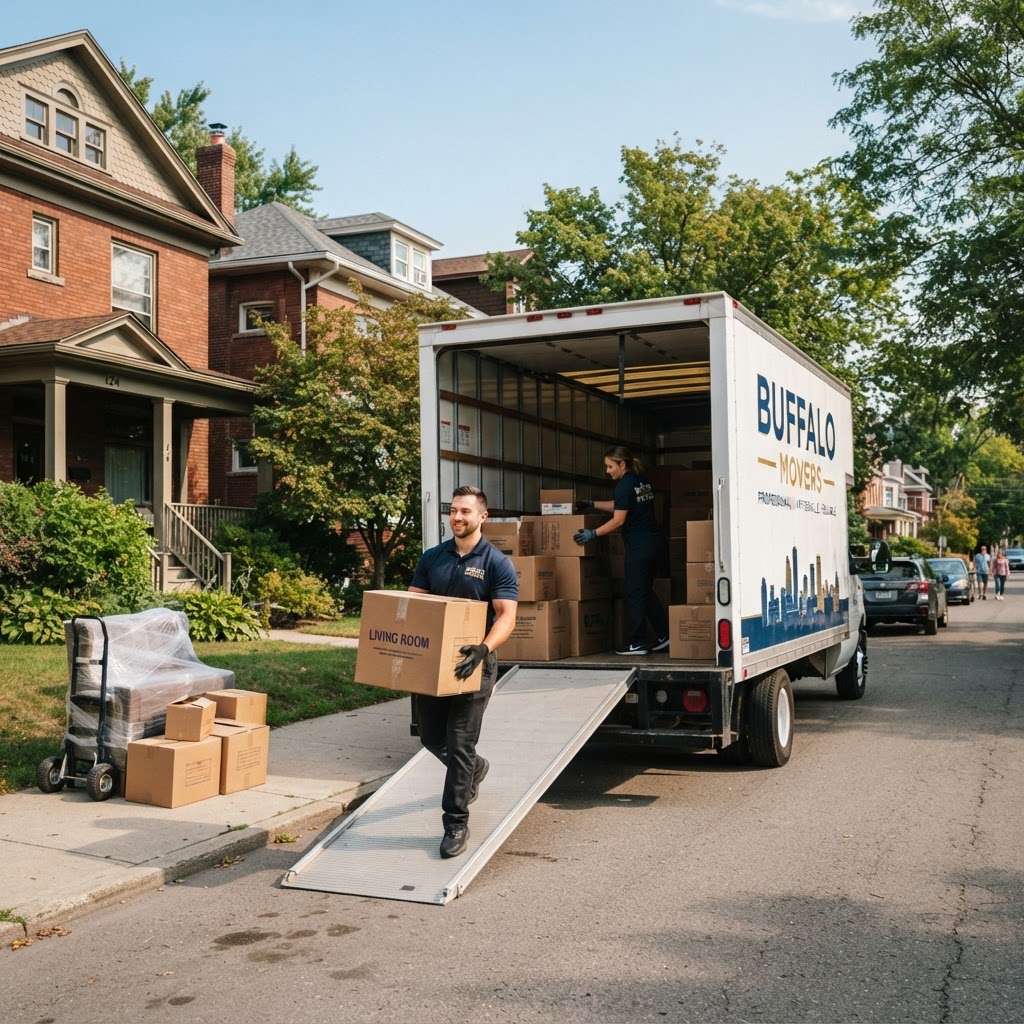
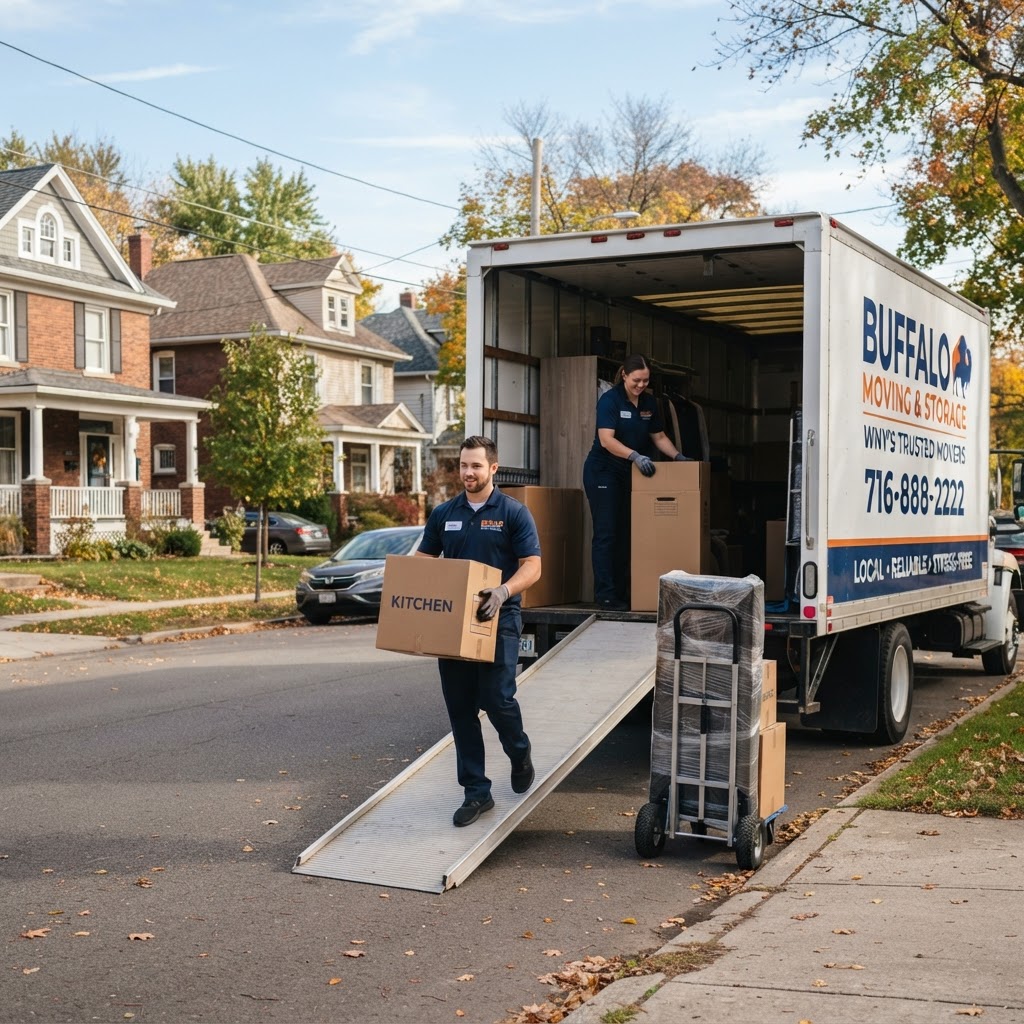
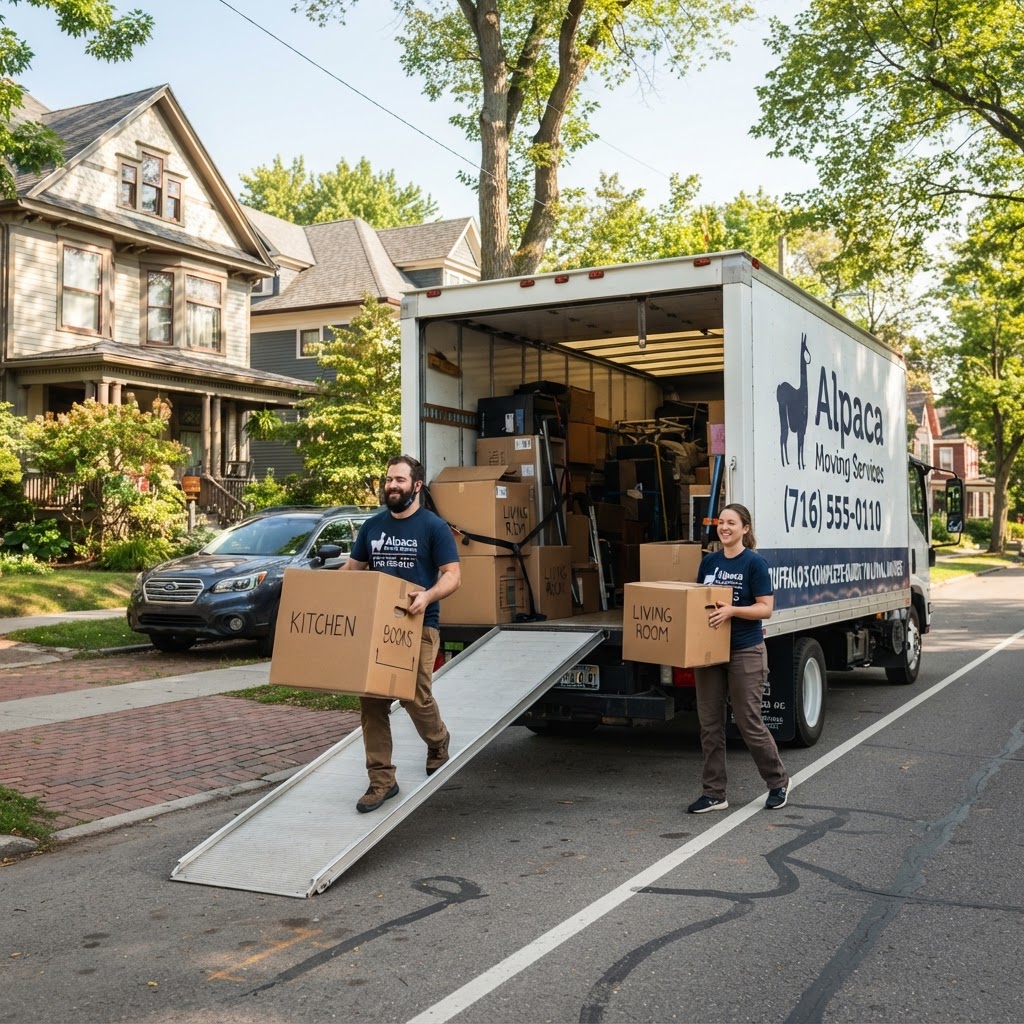
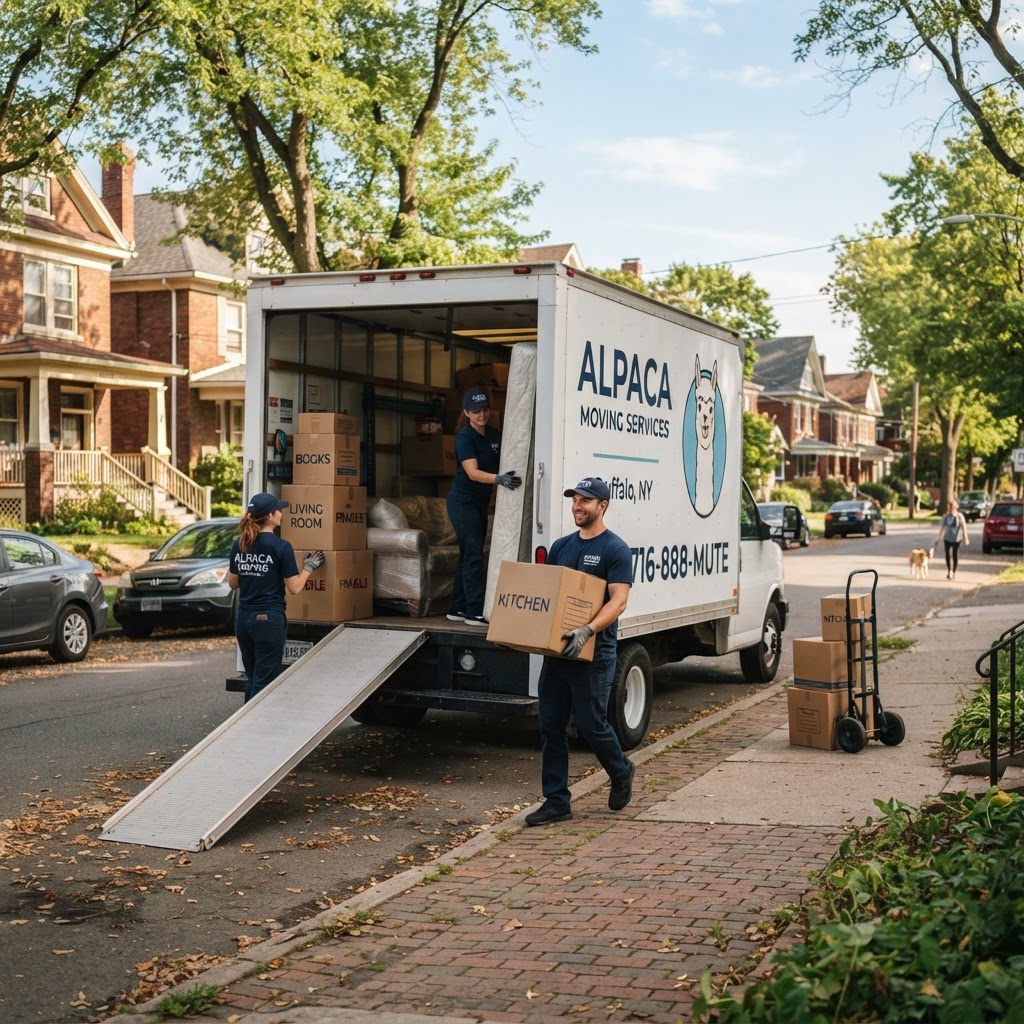
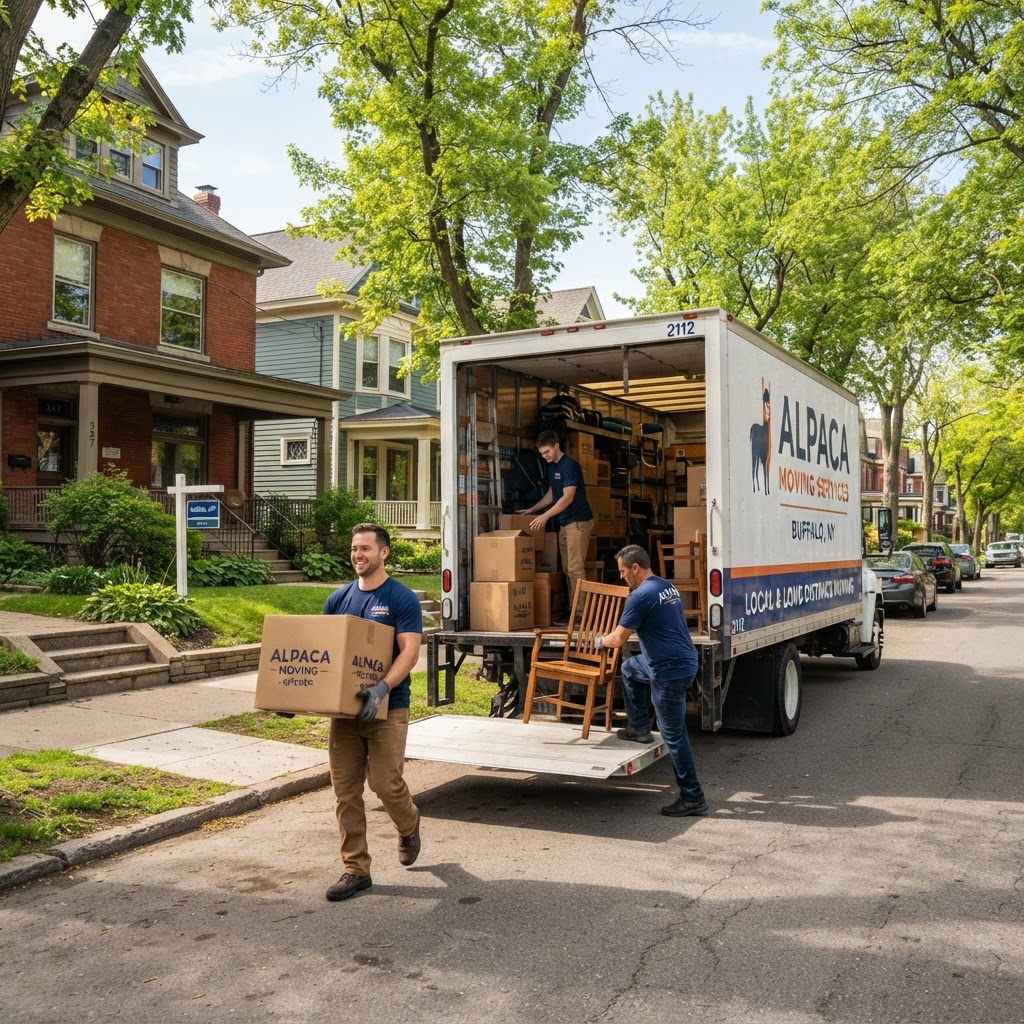
Alpaca Movers has you covered!
.avif)
.png)
Open 24 hrs