Moving Out of a Buffalo Apartment: A Before, During, and After Timeline



Moving out of a Buffalo apartment comes with a layer of tasks a house move doesn't have: a landlord walkthrough, a security deposit on the line, a lease end date you can't move past, and building rules about elevators, loading zones, and move-out hours. Missing one of these doesn't just cost you convenience, it can affect part of your deposit. This guide walks through what actually needs attention before you pack a single box, what to track the day the truck shows up, and what still needs doing after you've handed back the keys.
What Should You Do Before Moving Out of an Apartment?
Before you touch a box, confirm your move-out date against your lease terms and schedule a walkthrough with your landlord or property manager. These two steps set the deadline everything else works backward from, and skipping them is the most common reason apartment movers lose part of a deposit.
Re-read your lease for the exact notice period required and the condition the unit needs to be in at handoff. Some buildings require written notice 30 or 60 days out, and missing that window can mean owing an extra month's rent even after you've moved. Ask your landlord directly:
- Is a move-out walkthrough required, and can you schedule one before the final day? A pre-move walkthrough lets you fix small issues (nail holes, a stuck drawer) while you still have time, instead of discovering them during the final inspection.
- What's the move-out window for freight elevators or loading docks? Many apartment buildings, especially ones with a single elevator, require you to reserve a time slot. Check with your building management, since booking this early avoids a conflict with another tenant's move.
- Is there a certificate of insurance requirement for movers? Some buildings ask for proof of insurance from whoever is moving you, including friends with a truck. Get this answered before moving day, not on it.
Once the logistics are locked in, start sorting what's coming with you. Apartments accumulate things that don't make sense to haul to a new, possibly smaller place, so give yourself time to sell, donate, or responsibly dispose of what you're not keeping. The EPA has guidance on reducing, reusing, and recycling household items and properly disposing of hazardous materials like old cleaning products or batteries, which is worth a look if you're clearing out a kitchen or storage closet.
Should You Hire Movers or Do an Apartment Move Yourself?
The right answer depends less on the size of your apartment and more on stairs, elevators, and how much heavy furniture you own. A studio on the ground floor is a very different job than a third-floor walk-up with a sectional couch.
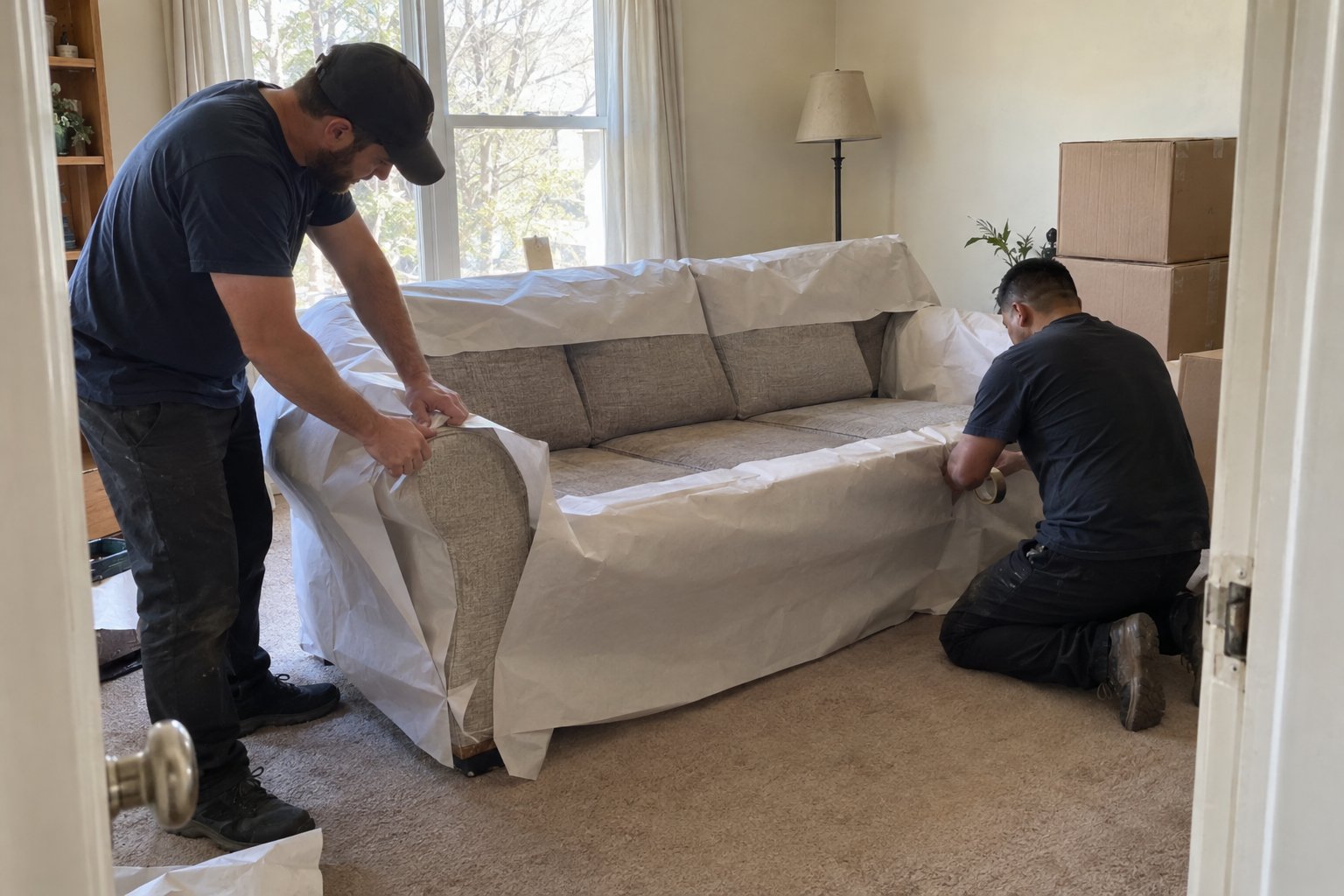
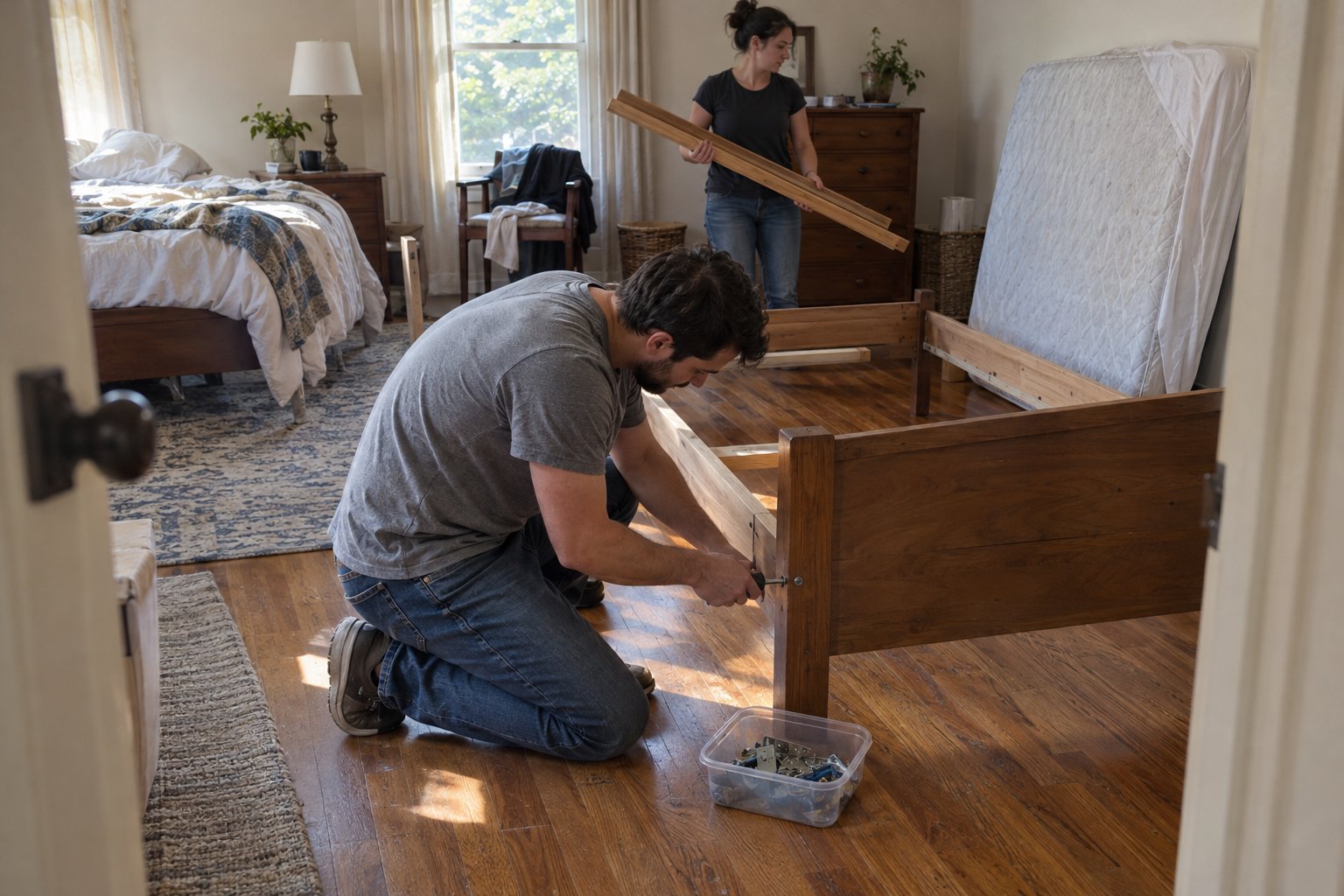
Apartment buildings add physical constraints a single-family home doesn't have: narrow stairwells, tight hallway turns, elevators with weight or size limits, and sometimes a strict window of time to get everything out. If your building has any of these, professional help reduces the risk of damage to your belongings, the walls, or yourself. A residential moving service can also take apart and reassemble standard furniture like bed frames and tables, which matters if your furniture won't fit through a doorway assembled.
If you're working with a tight schedule because your building only allows elevator reservations for a couple of hours, professional movers who show up on time and move efficiently can be the difference between finishing in your window or not. Tell your crew about elevators, stairs, or any parking restrictions before moving day so they can plan the job correctly.
What to Track on Apartment Moving Day
Moving day in an apartment is really about managing a sequence: get your unit emptied, get the old space inspection-ready, and get your new place livable, often all in the same day. Treat each as a distinct phase rather than one long task list.
Emptying the Unit
Load heavier and sturdier items first so lighter, more fragile boxes don't end up crushed underneath. Keep a box of essentials (medications, chargers, basic toiletries, a change of clothes) out of the truck entirely so you're not digging through everything that night.
Leaving the Unit Ready for Inspection
Before you hand back the keys, do a final sweep: check closets, behind doors, under sinks, and any storage unit or locker assigned to your apartment. Take photos of every room, including any existing damage you didn't cause, so you have your own record alongside whatever your landlord documents.
Settling Into the New Place
Figure out which boxes need to come off the truck first (bedroom and bathroom essentials, not the box of books) and let your crew know the unloading order in advance. If you're moving a longer distance, our long-distance moving services page covers how that timeline differs from a local move.
How Do You Get Your Security Deposit Back After Moving Out?
Getting a deposit back generally comes down to leaving the unit in the condition your lease describes, documenting that condition, and giving your landlord a forwarding address to send the refund. Most disputes come from a lack of documentation, not actual damage.
Walk through your old unit with your phone recording or taking photos of every room, inside cabinets, and any appliances once it's fully empty. Note the date and keep the files somewhere you won't lose them. Many states set a timeline for landlords to return a deposit or provide an itemized list of deductions; check your state's tenant rights guidance, which HUD maintains by state, if you're unsure what applies to you.
Patch small nail holes, wipe down surfaces, and leave appliances clean if your lease requires it. If you reported a maintenance issue during your tenancy and it was never fixed, keep that paper trail too, since landlords generally can't deduct for damage that was already documented and outstanding.
What to Handle in the Weeks After Moving Out
The job isn't finished when the truck pulls away. A short list of administrative tasks still needs attention, and they're easy to forget once you're unpacking in a new place.
- File a change of address. USPS mail forwarding keeps anything mailed to your old apartment from going to a stranger. Pair it with updating your address for banks, subscriptions, and your employer.
- Update your driver's license and vehicle registration. The New York DMV has a process for updating your address once you've moved, and most states require this within a set window.
- Confirm your utilities were shut off or transferred. A forgotten utility account at your old apartment can keep generating bills long after you've left.
- Follow up on your deposit. If you haven't heard from your landlord within the timeframe your state requires, a written follow-up referencing your move-out date and forwarding address is a reasonable next step.
If your old building required specific move-out paperwork, such as a forwarding address form or key return receipt, keep copies of everything until the deposit is settled. It's the kind of detail that matters only if something goes wrong, which is exactly when you'll want it. Whether you're moving across Buffalo or heading just outside it, the same before, during, and after rhythm applies: lock down the paperwork early, manage moving day in phases, and close the loop once the keys are handed back.
Planning your move? Request a quote from Alpaca Moving Services.
Frequently Asked Questions
How much notice do you need to give before moving out of an apartment?
This depends entirely on your lease, but many require 30 to 60 days of written notice. Check your lease's specific language and confirm your move-out date in writing with your landlord so there's no dispute later.
Do you need to be present for the final apartment walkthrough?
It's strongly recommended. Being there lets you point out existing damage, ask questions about any deductions, and take your own photos at the same time your landlord is documenting the unit.
What should you tell movers before an apartment move?
Let your crew know about stairs, elevator reservations, loading dock hours, and any parking restrictions at both the old and new buildings. This lets them plan the right equipment and timing instead of running into surprises on the day.
Can a landlord keep a deposit for normal wear and tear?
Generally no, normal wear and tear like minor carpet fading or small nail holes is treated differently from actual damage, though exact rules vary by state. Reviewing your state's tenant rights guidance before your walkthrough can help you understand what's reasonable to dispute.
What should you do if your apartment building only allows a short elevator reservation window?
Book the reservation as early as your building allows and plan your packing so the heaviest, bulkiest items are ready to move first. Telling your moving crew about the time limit in advance lets them sequence the job to fit inside it.
Alpaca Movers has you covered!


Open 24 hrs