Moving to Buffalo, NY Around the Seasons: A Month-by-Month Planning Guide



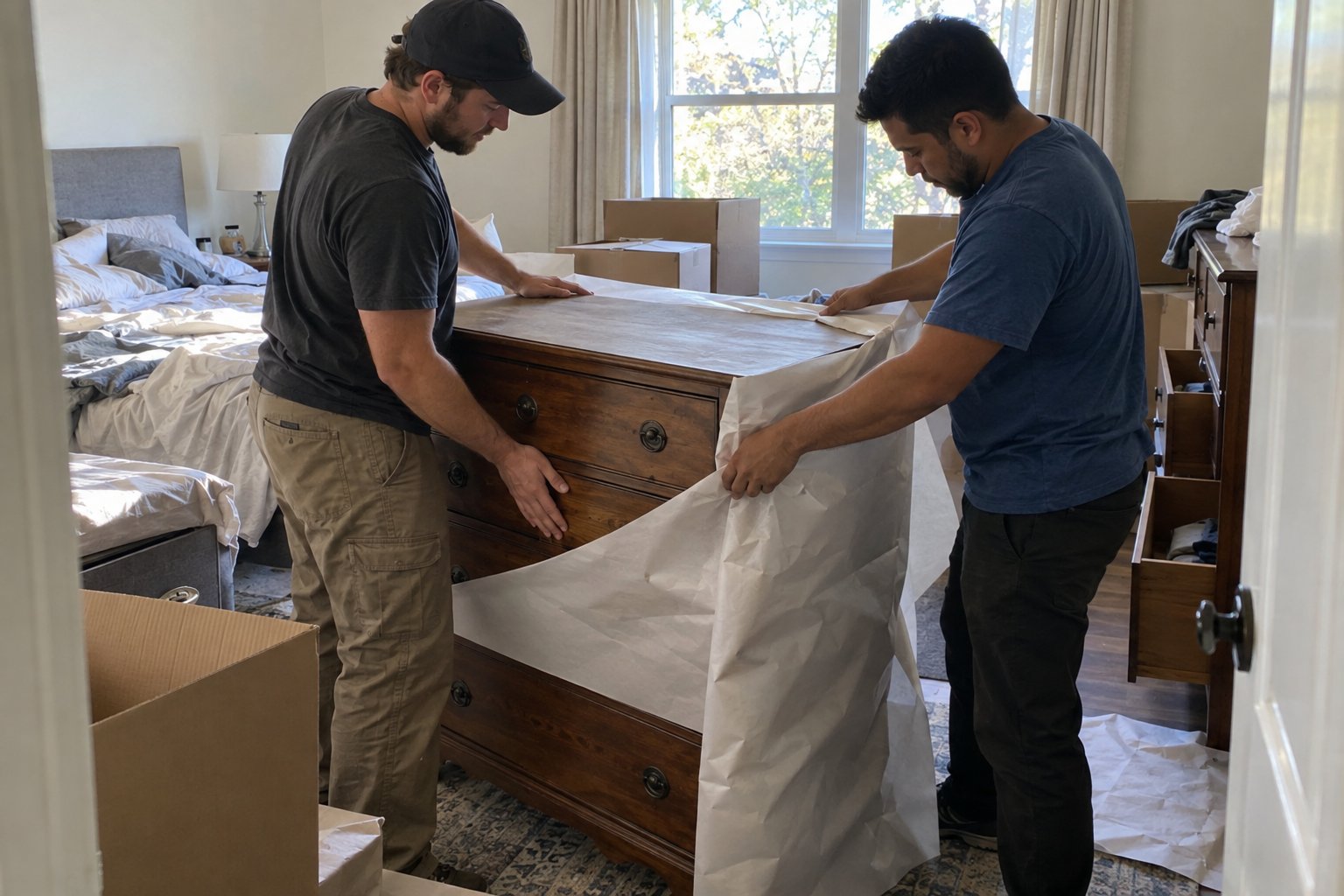
Moving to Buffalo, NY looks different depending on the season you land in, and the season matters more for how you plan than for which month is objectively better. If you're moving from Niagara Falls, NY or Lockport, NY, or coming into the area from farther out, the same house can be a very different move in January than it is in June, mostly because of what you need to prepare for ahead of time, not because one month is harder to book.
This guide walks through what to expect and plan for in each season, plus the logistics that matter regardless of when you move: your building's access, your own packing timeline, and what to line up before the truck shows up. For residential moving services tailored to your home, the season you choose mainly changes how you prep, not whether the move itself goes smoothly.
Does the Season You Move in Buffalo, NY Actually Matter?
Yes, but mostly for prep and timing, not for whether your move goes well. Each season brings its own set of things to plan around: weather prep in winter, scheduling demand in summer, unpredictable conditions in spring, and generally easier logistics in fall. None of these make a move impossible, they just change what you should do a few weeks ahead of time.
If you have flexibility, picking a season that matches your tolerance for weather, and your ability to book a date early, will make the day itself smoother. If you don't have flexibility (a lease start date, a job start date, a closing date), the good news is that every season here is workable with the right prep. If you'd rather hand off the physical work no matter the season, hourly moving deals can cover just the loading and unloading portion of the day.
Moving to Buffalo, NY in Winter
A winter move here means planning around snow and cold more than anything else: clear the walkways and driveway before the crew arrives, confirm parking for the truck, and keep a change of warm clothes and basic supplies accessible instead of packed in the truck. Ask your building or local authority about any rules on truck parking or sidewalk clearing before moving day so nothing is a surprise.
Check the National Weather Service forecast for your moving day and the day before, since that gives you the clearest read on what to prepare for, whether that's salting a walkway or allowing extra time for loading. If you're coming from or going to a home in Lockport, NY or Niagara Falls, NY, confirm driveway and walkway conditions at both ends before moving day. For a deeper look at this specific season, see our guide on moving in Buffalo winter.
As a rule of thumb, plan on needing a little extra time at each stop in winter, maybe an extra half hour or so, to account for bundling items against cold and clearing paths as you go.
Moving to Buffalo, NY in Spring
Spring is the season of unpredictable weather more than anything else: a sunny week can turn into a rainy moving day with little warning. Plan for rain the way you'd plan for snow in winter, meaning plastic covers for mattresses and upholstered furniture, and a rain plan for the path between the door and the truck.
Spring is also when many leases turn over, so popular weekend dates can fill on a mover's calendar even though the season overall tends to have more openings than summer. If you're relocating to or from Grand Island, NY or East Aurora, NY this spring, booking your date a few weeks ahead gives you more flexibility on timing than waiting until the week you need to move.
Moving to Buffalo, NY in Summer
Summer is generally the busiest stretch for movers, since it lines up with school schedules and milder weather. The tradeoff is less flexibility in which dates are available, so the earlier you lock in a date, the more likely you'll get the one you want.
On the day itself, heat is the main thing to manage: start as early as your schedule allows, keep water on hand for everyone helping, and avoid leaving boxes with electronics or candles sitting in a hot truck longer than necessary. Longer daylight hours also mean you have more time to work with if a move runs long, which is worth factoring into your plan whichever part of the area you're coming from.
Moving to Buffalo, NY in Fall
Fall tends to offer the most balanced combination of mild weather and open scheduling, which makes it a strong default if your move date is flexible. Demand drops off after the summer rush, and temperatures are usually comfortable enough that heat and cold aren't a major factor in your planning.
The main thing to watch is daylight: it gets darker earlier, so if you're moving a longer distance or doing multiple trips, build in time before sunset rather than counting on evening light. Wet leaves can also make walkways slippery, so the same care you'd take clearing a path in winter is worth applying here too.
A Simple Plan for Moving Day, Whatever the Season
However the weather shapes up, the sequence that keeps a move on track doesn't change much. Confirm access at both homes, protect the path the crew will walk, and keep a first-night box separate from everything else.
- A week before: confirm your moving date and any details about stairs, elevators, or parking with your provider so nothing is a surprise. Our week before a move checklist walks through this countdown in more detail.
- The day before: check the forecast, clear walkways or hallways, and set aside a box with essentials (medications, chargers, a change of clothes).
- Moving day: walk the crew through your home's layout before loading starts, point out anything fragile, and keep pets or kids in one designated room while the crew works.
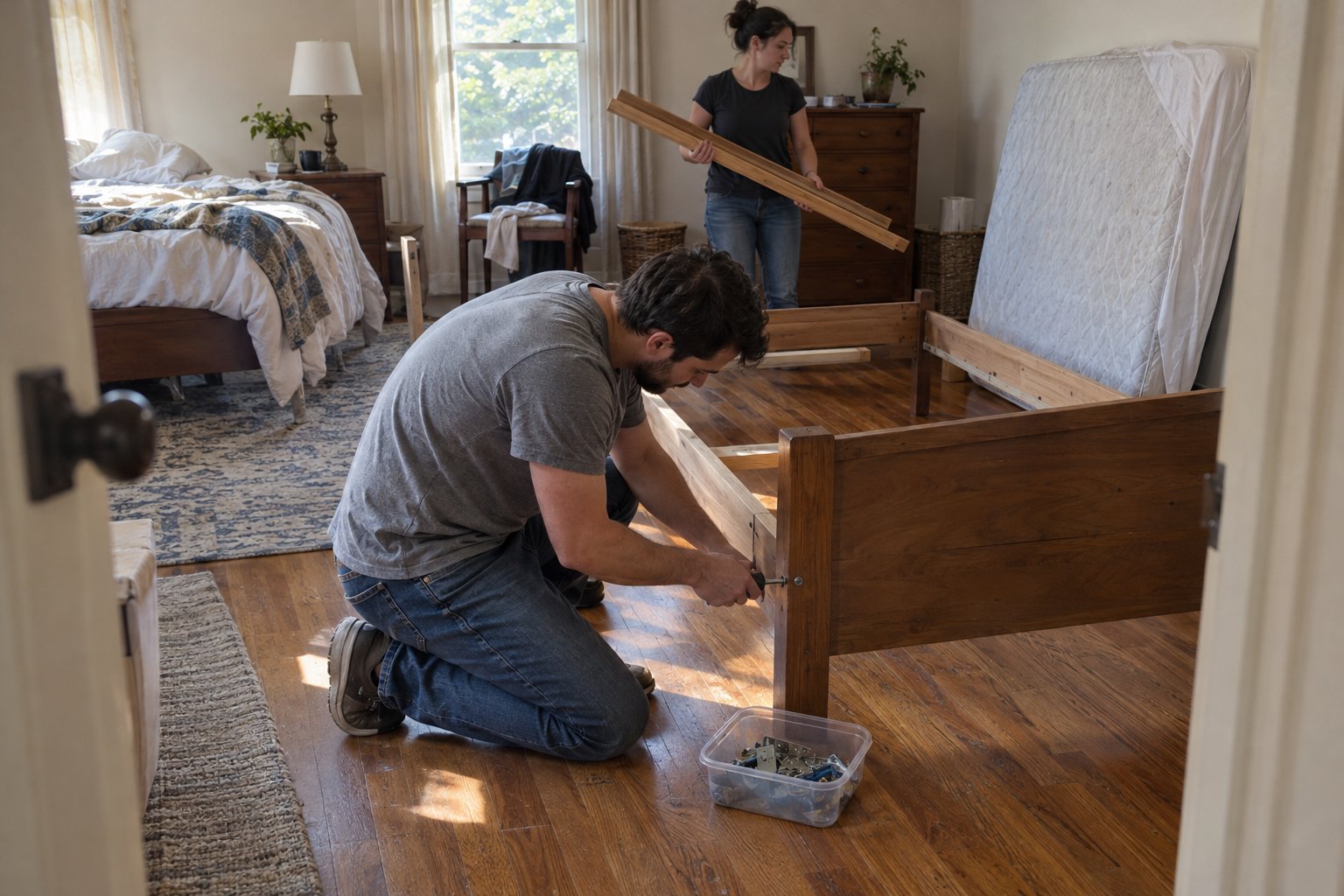
- At the new place: have the first-night box and any assembled furniture (beds especially) prioritized so you're not searching through boxes that night.
If your new home has narrow stairs, a walk-up, or tight parking, mention it when you book so the crew can plan loading accordingly rather than figuring it out on arrival. If parking a truck on the street requires a permit or has a time limit, check with your building or local authority ahead of time.
Packing and Prep That Doesn't Depend on the Season
Regardless of when you move, your own packing timeline matters more than the calendar. Give yourself about a day per room to pack non-essentials, and start with items you won't need in the final weeks before the move, like out-of-season clothing, books, and decor. If packing everything yourself isn't realistic on your timeline, packing services can take that piece off your plate no matter what season you're moving in.
Before you move, use the USPS change of address service to start your mail forwarding, ideally a couple of weeks ahead so forwarded mail catches up to you around the time you move in. It's an easy step to forget in the rush of packing, but it saves a lot of follow-up later.
Planning your move? Request a quote from Alpaca Moving Services.
Frequently Asked Questions
What should I tell movers before moving day in Buffalo, NY?
Let them know about stairs, elevators, narrow hallways, or tight parking at either address, along with any items that need special handling. Giving this information when you book, rather than on arrival, lets the crew plan the loading order ahead of time.
How far in advance should I book a mover for a seasonal move?
A few weeks ahead is a reasonable target in most seasons, and earlier is better if you're moving on a weekend or during a busier stretch. If your dates are flexible, ask what's currently open rather than assuming one week will be easier to book than another.
Do I need to prepare differently for an apartment move versus a house move?
Apartments often add elevator reservations or loading dock time windows to the list of things to confirm ahead of time, while houses tend to focus more on driveway and walkway access. Either way, confirming access details before moving day keeps things moving smoothly.
What should go in a first-night box no matter when I move?
Pack medications, chargers, a change of clothes, basic toiletries, and any items pets or kids need right away. Keeping this box separate from the rest of your load means you're not digging through boxes once you arrive.
How do I handle mail and address changes around my move date?
Start your USPS change of address a couple of weeks before you move so forwarding kicks in close to your move-in date. It's worth setting a reminder, since this step is easy to forget while you're focused on packing.
Alpaca Movers has you covered!


Open 24 hrs