Moving to BC Checklist: What to Handle Before, During, and After Your Move



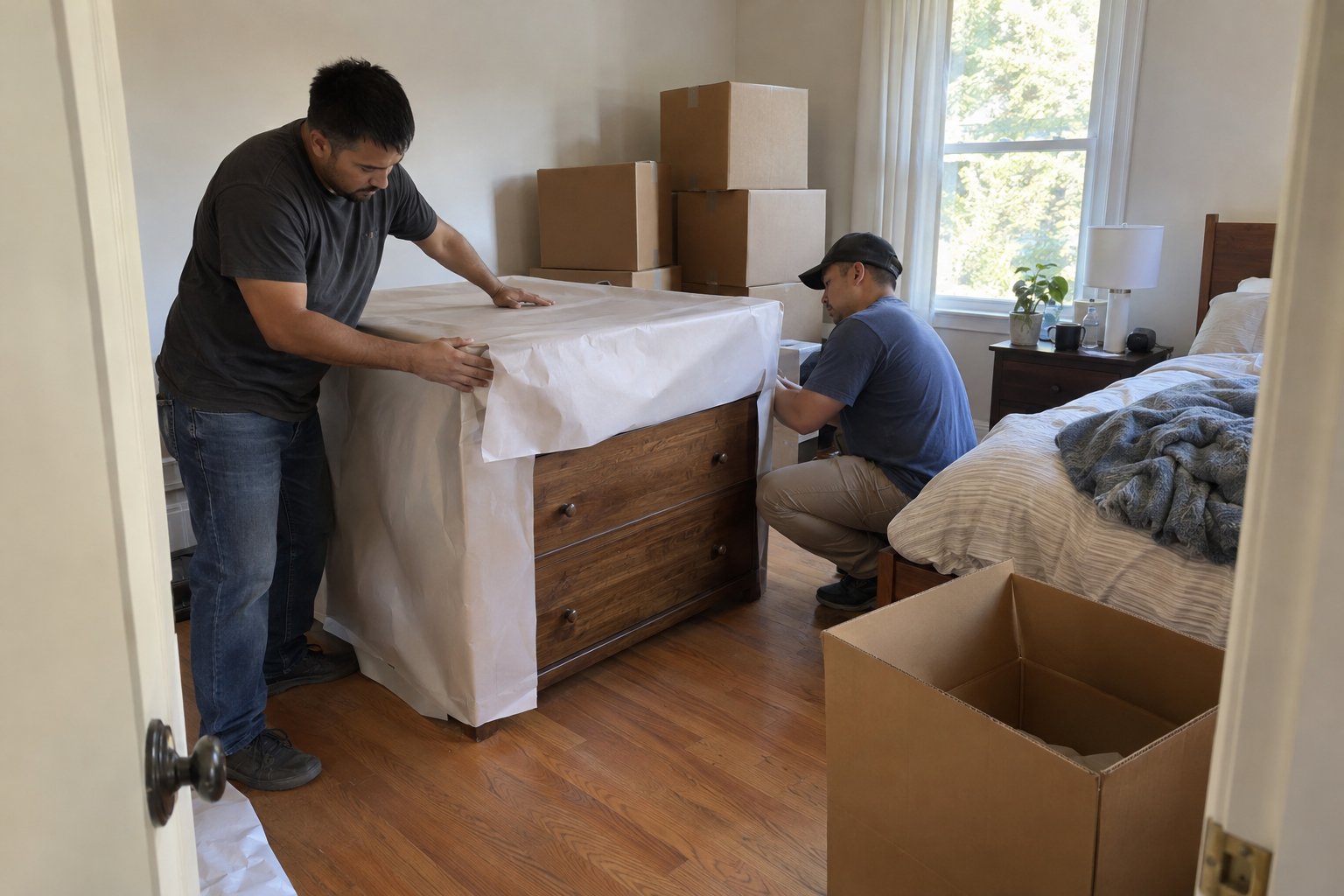
A moving to BC checklist, meaning "before and after" rather than the Canadian province, breaks your move into three phases: what to lock down before moving day, what to track during the loading and drive to your new place, and what to finish once the truck pulls away. Treating it as one giant to-do list is what causes people to forget the boring-but-critical items, like transferring utilities or updating a license, because they get buried under packing tasks.
This checklist works whether you're moving across town or further out, and whether you're hiring help or handling it yourself. Each section below groups related tasks together and explains why the timing matters, not just what to do.
Before Moving Day: What to Lock Down First
The before phase is about paperwork, logistics, and anything that takes lead time to arrange. Most of these items need one to three weeks of notice, so starting late is the single biggest reason people feel behind on moving week.
- Request a written moving quote. Get this early so you can confirm a date and know what to expect. If you're using residential moving services, book your date as soon as you know it, since good dates fill up fastest in the busier months.
- File your change of address. Submit your forwarding request through USPS so mail follows you during the transition, and update your address with the IRS if you're filing taxes soon after the move.
- Schedule utility transfers. Call your electric, gas, water, and internet providers to set disconnect and connect dates. Aim to have service active at the new place a day before you arrive, not the day of.
- Update your driver's license and vehicle registration. Check your state DMV's rules on timing, since most states give you a window after you move before this becomes a requirement.
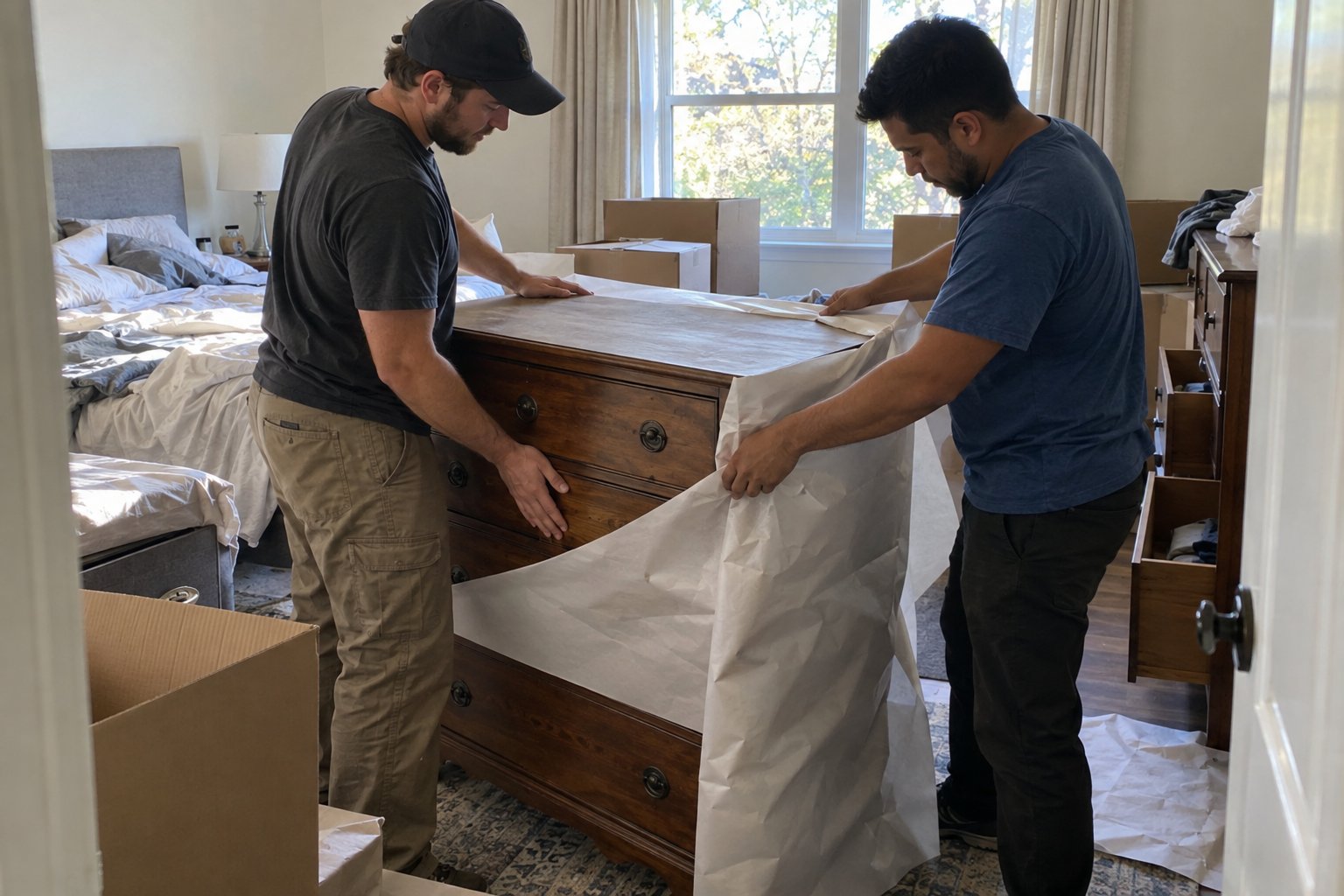
- Confirm help for heavy or awkward items. If you have a china cabinet, a sectional, or anything that needs to come apart, decide now whether you're tackling it yourself or want it handled as part of your move.
- Start a "first night" box. Pack toiletries, chargers, a change of clothes, and basic tools separately so you're not digging through sealed boxes the first night.
Each of these matters because it depends on someone else's schedule, a mail carrier, a utility company, a DMV office, so the earlier you start, the more flexibility you have if something doesn't go as planned.
What to Do the Week Of: A Moving Day Checklist
Moving day itself runs smoother when you treat it as a sequence rather than a single event. As a rule of thumb, allow about a half day for loading a typical two to three bedroom home, and a similar window for unloading at the other end.
- Walk the home one more time before the truck arrives. Check closets, cabinets, and the garage for anything that got missed during packing.
- Keep your first night box, important documents, and valuables with you rather than on the truck, so you always know where they are.
- Do a final walkthrough as items leave so you can confirm nothing is left behind and flag any existing damage before the truck pulls away.
- Hand over keys or confirm access for the old place, whether that's a landlord, a new owner, or a lockbox.
- At the new place, check that utilities are live before unloading begins, since furniture arrangement is much easier with lights on and nothing to trip over.
If you're moving locally and want a sense of how long the whole day typically takes, our guide on how long a local move really takes breaks down the phases in more detail.
How Long Should You Budget for Each Phase of a Move?
Most single-day local moves break down into three rough blocks: loading, transit, and unloading, with loading usually taking the longest of the three. Budgeting an extra hour beyond what you expect is a reasonable cushion for stairs, elevators, or a larger home than planned.
If you're doing a long-distance move instead, the timeline changes shape entirely, since transit can span one or more days depending on distance. In that case, your checklist needs an added layer for what happens between pickup and delivery, including how you'll handle perishables, plants, and anything you don't want sitting in a truck overnight.
After the Move: What Often Gets Forgotten
The after phase is where people lose momentum, since the pressure of moving day is over but a surprising number of tasks remain. Give yourself a full week to work through this list rather than trying to finish it in one sitting.
- Confirm your mail is forwarding correctly by checking in with USPS a week or two after your move date if anything seems to be missing.
- Register your new address with your bank, employer, and any subscriptions. These don't always update automatically just because mail is forwarding.
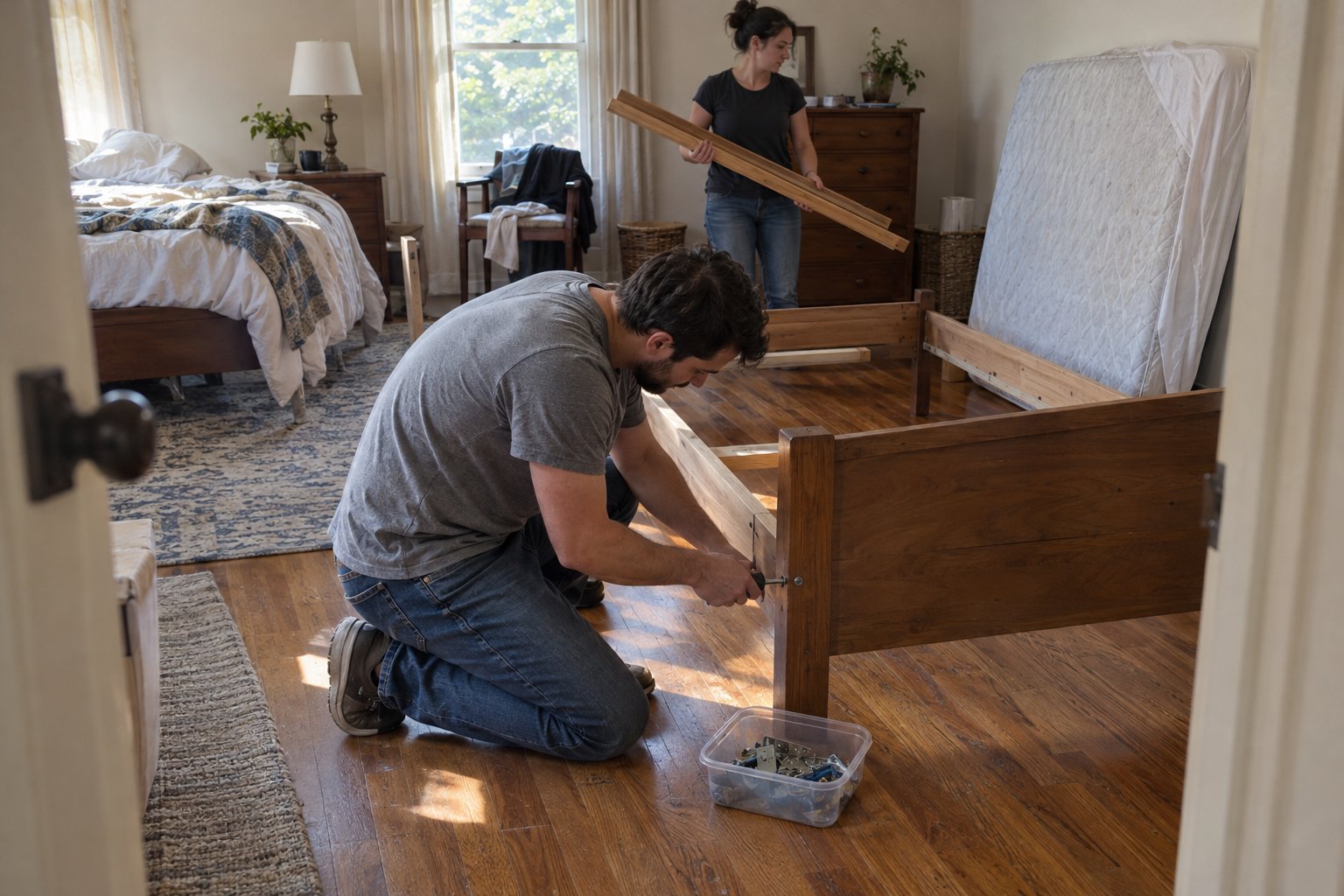
- Reassemble furniture and check for hardware. If anything was taken apart before the move, confirm all the pieces arrived and are labeled before you start putting things back together.
- Locate your new circuit breaker, water shutoff, and smoke detectors as part of settling in, since this is easy to skip but useful to know before you need it in an emergency.
- Secure tall furniture and TVs once everything is placed, following guidance like the CPSC's Anchor It program for anchoring against tip-overs, especially if you have kids or pets in the home.
- Break down and recycle moving boxes once you've unpacked, rather than letting them pile up in a garage or storage room.
None of these tasks are urgent in the way moving day feels urgent, which is exactly why they're the ones most often left unfinished for weeks.
Do You Need a Different Checklist for a Long-Distance Move?
Yes, a long-distance move needs extra planning around timing and logistics that a local move doesn't, mainly because you can't just drive back for something forgotten. If your move involves a multi-day transit window, add tasks like confirming delivery date ranges and planning where you'll stay if your items arrive after you do.
For moves that cross state lines, it's worth reviewing how interstate movers are regulated and what your rights are as a customer, which the FMCSA's Protect Your Move resource covers in detail. Our long-distance moving services page also outlines what to expect if you're planning a move that falls into this category.
Should You Build Your Checklist Around Rooms or Around Tasks?
A task-based checklist, organized by before, during, and after, works better for most moves than a room-by-room list, because it matches how moving day actually unfolds. Room-by-room lists are useful for packing itself, but they don't account for the paperwork and logistics that happen outside any single room.
If you're deciding between hiring full help or doing more yourself, our guide on how to choose the right moving company walks through what to ask before you commit to either approach.
Planning your move? Request a quote from Alpaca Moving Services.
Frequently Asked Questions
How far in advance should you start a moving checklist?
Start three to four weeks out if you can, mainly so utility transfers, address changes, and your moving date are all locked in with room to adjust. Starting earlier matters most for anything that depends on another company's schedule.
What should you keep with you instead of putting on the truck?
Keep important documents, medications, valuables, and your first night box with you rather than loading them, so you're never waiting on the truck to access something you need right away.
Do you need to tell your movers about stairs or tight parking before moving day?
Yes, let your crew know about stairs, narrow hallways, or limited parking ahead of time so they can plan equipment and timing accordingly instead of discovering it the morning of.
What's the first thing to do after arriving at a new home?
Confirm utilities are active and locate the breaker panel and water shutoff before unloading begins, since it's much easier to do this with an empty space than after furniture is in place.
How do you keep track of furniture hardware during a move?
Bag screws and small hardware by piece of furniture and label each bag clearly, then store them together in one labeled box so nothing gets lost between disassembly and reassembly.
Alpaca Movers has you covered!


Open 24 hrs