Storage Unit Moving Tips: How to Pack and Load a Storage Unit Like a Pro



Whether you are in the middle of a move, downsizing, or simply running out of space at home, knowing the right storage unit moving tips can save you time, money, and a lot of frustration. Packing a storage unit without a plan often leads to damaged belongings, wasted space, and the dreaded experience of digging through a mountain of boxes to find one item. At Alpaca Moving Services Inc., we have helped countless Buffalo-area residents load and organize storage units efficiently — and we are sharing our best advice right here.
Why Proper Storage Unit Organization Matters
A storage unit is only as useful as your ability to access what is inside it. When items are thrown in without a strategy, you end up with a cramped, chaotic space where nothing is protected and everything is hard to find. Proper planning before you load a single box makes a measurable difference in how functional your unit becomes — whether you plan to access it regularly or simply store items for a few months during a move.
Here is what a well-organized storage unit helps you avoid:
- Crushed boxes and damaged furniture from improper stacking
- Mold or moisture damage caused by poor airflow
- Wasted vertical space that drives up rental costs
- Hours spent searching for specific items you need quickly
- Scratched or broken belongings from items shifting during transport
With a little preparation and the right techniques, your storage unit can be organized, accessible, and protective of everything inside it.
Step 1 — Choose the Right Unit Size
Before you start packing, make sure you have the right size unit. Renting a unit that is too small forces you to stack carelessly and leave valuable items without protection. Renting one that is too large wastes money every month.
As a general guide:
- 5×5 or 5×10 units — ideal for boxes, small furniture, and seasonal items
- 10×10 units — suitable for a one-bedroom apartment's worth of belongings
- 10×20 units — large enough for a two- to three-bedroom home
- 10×30 units — appropriate for large households or commercial storage needs
If you are unsure how much space you need, err on the side of slightly larger. The ability to stack properly and leave a center aisle for access is worth the modest extra cost.
Step 2 — Pack Boxes the Right Way Before You Load
The quality of your packing directly affects how well your belongings survive inside a storage unit. Items can shift, humidity can build up, and stacking pressure can crush weak boxes over time. Packing carefully before you ever arrive at the storage facility is one of the highest-value steps you can take.
Use Sturdy, Uniform Boxes
Uniform box sizes make stacking dramatically easier and safer. Avoid using warped, wet, or previously crushed boxes — they can collapse under weight and put everything above them at risk. Double-walled boxes are worth the investment for heavy items like books, tools, and kitchenware.
Fill Every Box Completely
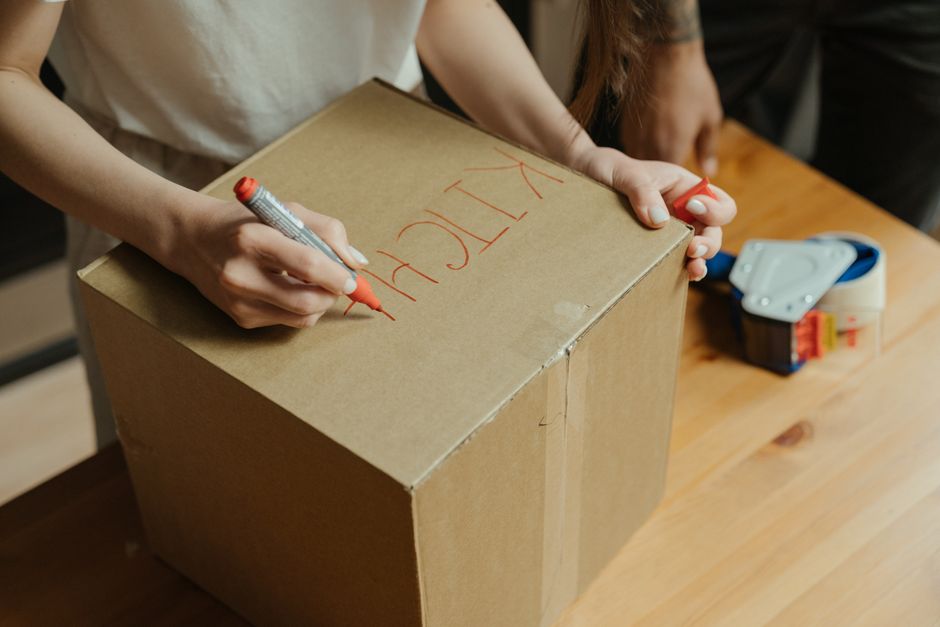
Partially filled boxes collapse under pressure. Fill any empty space with packing paper, bubble wrap, or clothing so each box holds its shape when stacked. Label every box clearly on the top and sides — labeling only the top means you cannot read the label once it is buried under other boxes.
Pack Heavy Items on the Bottom
Books, tools, and dense kitchen items belong in smaller boxes toward the bottom of any stack. Light, bulky items like pillows, linens, and lampshades can go in larger boxes near the top. This keeps stacks stable and prevents heavy boxes from crushing fragile contents beneath them.
Disassemble Large Furniture
Bed frames, bookshelves, tables, and desks take up significantly less space when broken down. Remove legs, take apart frames, and store hardware in clearly labeled zip-lock bags taped directly to the furniture piece they belong to. If you need professional help disassembling and reassembling furniture, our residential moving labor services team is available to assist.
Step 3 — Load Your Storage Unit Strategically
Loading a storage unit is not the same as loading a moving truck, but many of the same principles apply. Thoughtful placement of items based on weight, fragility, and how frequently you will need access makes the difference between a functional unit and a frustrating one.
Place the Items You Need Last, First
Think of your storage unit like a timeline. The items you will need soonest — or most frequently — should go in last so they are nearest the door. Items you plan to store long-term and rarely access should go toward the back. If you are storing during a move, things like seasonal décor or extra furniture can go deepest while your everyday essentials stay within reach.
Create a Center Aisle
Leave a narrow aisle down the center of your storage unit so you can walk in and access boxes or furniture in the middle and back without having to move everything. This is one of the most overlooked storage unit tips and one of the most impactful for ongoing usability.
Use Vertical Space
Storage unit rental is often priced by square footage, but vertical space is typically unlimited up to the ceiling. Stack boxes from floor to ceiling along the walls — with heaviest boxes at the bottom and lightest at the top — to make the most of the unit you are paying for. Shelving units are a worthwhile addition for items that cannot be stacked directly on top of each other.
Protect Furniture From the Floor
Pallets, boards, or furniture risers keep your belongings off the concrete floor, reducing the risk of moisture damage. Wrap upholstered furniture in moving blankets or furniture pads, and use stretch wrap to keep cushions and fabric surfaces protected from dust and dirt.
Step 4 — Protect Fragile and High-Value Items
Storage units experience temperature changes and humidity fluctuations that can affect sensitive belongings over time. Taking a few extra precautions for fragile, valuable, or sentimental items is always worth the effort.
- Wrap mirrors, artwork, and glass items individually in bubble wrap and store them upright, never flat
- Use wardrobe boxes for hanging clothes to prevent wrinkling and keep garments dust-free
- Place appliances in their original boxes when possible, or wrap them in moving blankets
- For electronics, use anti-static bubble wrap and keep them away from exterior walls where temperature swings are greatest
- Consider a climate-controlled unit for wooden furniture, instruments, artwork, and documents that are sensitive to humidity
If you are moving a piano or other specialty items into storage, our team offers specialty moving services designed for exactly these kinds of delicate, high-value pieces.
Step 5 — Create an Inventory Before You Close the Door
One of the simplest storage unit tips that most people skip: make a written or digital inventory of everything in the unit before you lock it up. Group items by box number or zone within the unit and note what is in each area. A basic spreadsheet or even a notes app on your phone works perfectly.
Take photos of the unit after loading — especially of the back rows — so you have a visual record of what is where. If you ever need to find something specific, you will thank yourself for taking five minutes to document it at the start.
When to Hire Professional Movers for Storage Unit Loading
Loading a storage unit efficiently is not always a one-person job — especially when heavy furniture, large appliances, or a significant volume of boxes are involved. Professional movers bring the equipment, experience, and physical capacity to load a unit safely and strategically in a fraction of the time it would take on your own.
Hiring movers for storage loading is especially smart when you are:
- Moving a full household into storage during a transition between homes
- Storing large or heavy items like dressers, sectional sofas, or appliances
- Working under a tight timeline and cannot afford the time a DIY loading job requires
- Recovering from an injury or unable to perform heavy lifting safely
For more tips on how to prepare for moving day overall, check out our Ultimate Moving Out Checklist — it covers every stage of the process from first box to final walkthrough.
Final Thoughts on Storage Unit Moving Tips
A well-packed and well-loaded storage unit protects your belongings, saves you money on rental costs, and makes your life dramatically easier every time you need to access something. The key is planning before you pack, packing before you load, and loading with access and safety in mind from the very first item you place inside.
If you are in the Buffalo, NY area and need professional help loading or unloading a storage unit, Alpaca Moving Services Inc. is ready to assist. Our experienced team brings the right equipment and expertise to make the job fast, safe, and efficient — so you can focus on everything else your move demands.
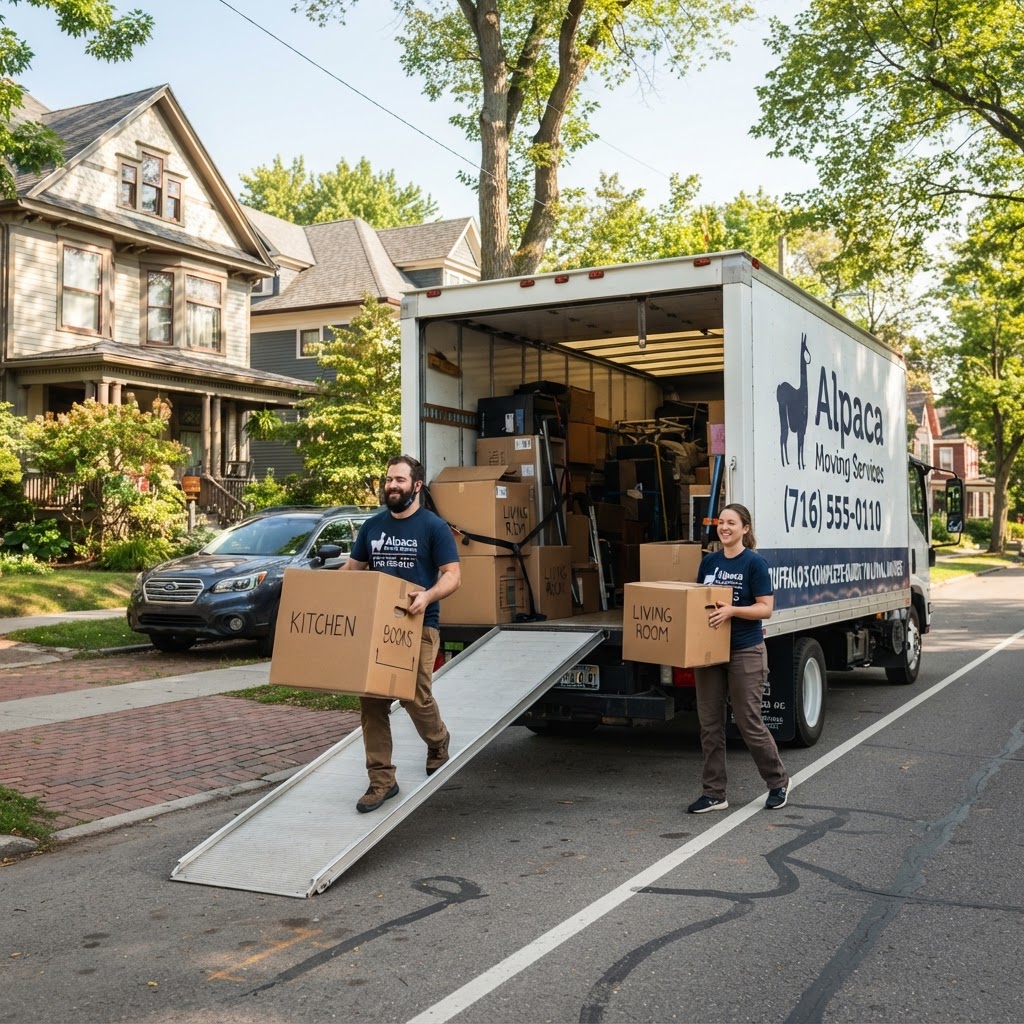
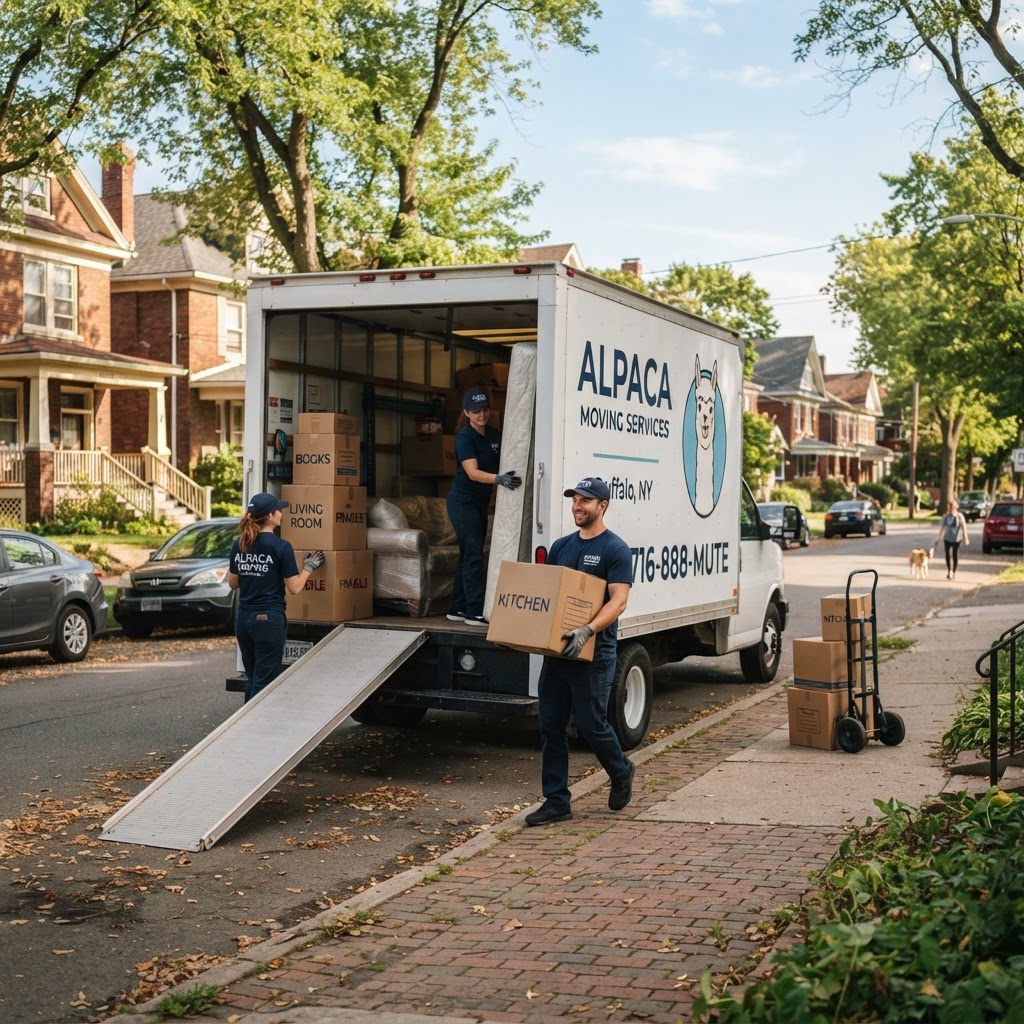

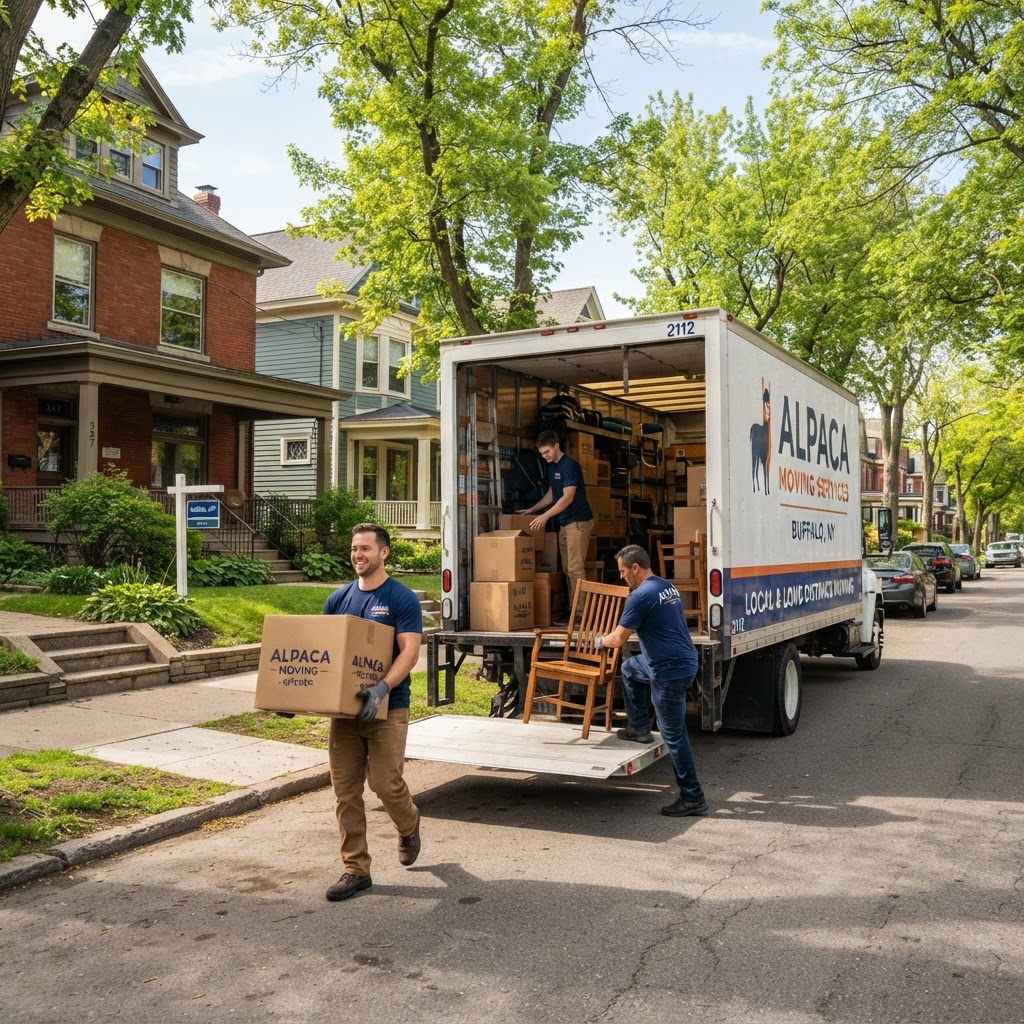
Alpaca Movers has you covered!
.avif)
.png)
Open 24 hrs