How to Move With Houseplants Without Losing Them



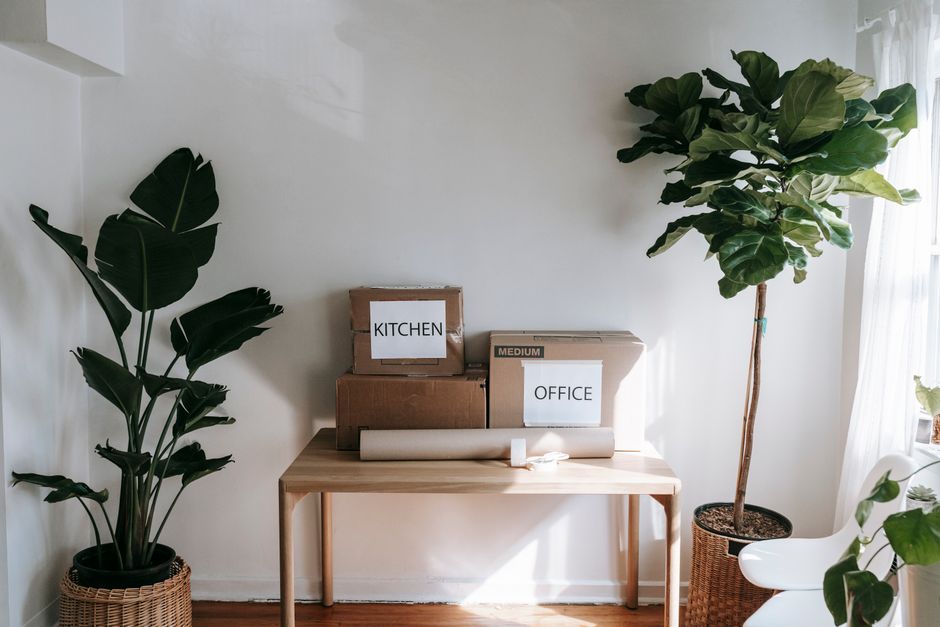
Moving with houseplants means treating them as a separate category of belongings, not just another box: they need water management, temperature protection, and usually a ride in your own vehicle rather than the moving truck. A little prep a week before moving day makes the difference between plants that bounce back in a new home and ones that drop every leaf within days.
We see this question a lot from Buffalo customers, especially in winter and midsummer when temperature swings are hardest on plants. Here's what actually keeps houseplants alive through a move, from the week before to the weeks after you unpack.
Can Moving Companies Transport Houseplants?
Most moving companies, including Alpaca Movers, cannot legally transport live plants on a moving truck for long-distance or interstate moves, and many limit it for local moves too. This is partly an insurance and liability issue and partly practical: plants tossed in a dark truck for hours or days rarely survive the trip in good shape.
For local moves, some crews will allow plants to ride along if they're properly boxed and it's a short trip, but you should always ask ahead rather than assume. If you're booking residential moving services for your Buffalo move, mention your plants during the initial quote conversation so the crew knows what to expect and you know what to plan for yourself.
For anything crossing state lines, plan to transport plants in your own car. It's the only reliable option and it also keeps you from running afoul of agricultural inspection rules some states enforce at their borders.
How Do You Prepare Plants a Week Before the Move?
Start prepping plants about a week out by checking for pests, trimming damaged growth, and easing off watering slightly so soil isn't soggy on moving day. This window also gives you time to repot anything in a heavy or cracked ceramic pot into something lighter and more travel-friendly.
Check for Pests First
Inspect leaves and soil for insects before you pack anything. A pest problem that seems minor in one plant can spread to your whole collection once everything is boxed together in close quarters for a car ride or a few days in transit.
Consider Temporary Repotting
If a plant is in a heavy terra cotta or ceramic pot, moving it temporarily into a plastic nursery pot reduces breakage risk and cuts weight considerably. You can move it back into its decorative pot once you're settled and it has had a chance to adjust.
Prune Before You Pack
Trim back any overly long stems or leggy growth. Smaller plants are easier to box securely, and a plant that's already stressed by pruning a week out will have started recovering by the time it needs to handle a car ride too.
What's the Best Way to Pack Plants for Transport?
The best way to pack plants is to secure the pot inside a sturdy box or crate so it can't tip, keep the foliage uncovered for airflow, and place a plastic sheet or bag loosely under the pot to catch soil spillage. Never seal a plant inside a fully closed box; it needs light and air even for a short trip.
Box Sizing and Stabilizing
Choose a box just slightly larger than the pot, then fill the gap around the base with packing paper or towels so the pot can't shift or tip over during transport. Cut air holes in the sides if the box is tall enough that leaves would otherwise be crushed against the top.
Protecting Fragile Leaves
For plants with delicate or easily bruised leaves, like ferns or peace lilies, loosely tent a paper bag or unprinted newspaper around the foliage rather than plastic, which traps moisture and encourages mold on a multi-hour trip.
Watering Timing
Water plants two to three days before the move, not the morning of. Slightly dry soil is lighter, less likely to leak, and less prone to shifting and compacting inside the pot during transport.
How Should You Transport Plants During the Drive?
Plants travel best in the passenger area of your car rather than a hot trunk or an enclosed moving truck, positioned where they won't slide, tip, or bake in direct sun through a window. Floor space behind the front seats or a stabilized spot in the back seat both work well for most moves.
Keep the car's interior temperature moderate. Plants suffer in the same conditions people do: a car that's too hot or too cold for an extended stretch will stress or kill sensitive species faster than almost anything else in the move. If you're driving a longer distance and need to stop overnight, bring plants inside with you rather than leaving them in a parked vehicle.
For a Buffalo winter move, this matters even for short trips. A few minutes in a car that's been sitting in freezing temperatures can shock tropical plants that aren't cold-hardy. Warm the car up before loading them in, and get them inside your new place as quickly as possible once you arrive.
How Do You Help Plants Recover After the Move?
Plants often drop leaves or look wilted for a week or two after a move, which is a normal stress response rather than a sign they're dying. Give them a stable spot with indirect light, resume a normal watering schedule, and resist the urge to fertilize or repot immediately while they're adjusting.
Unpack plants first, before furniture and boxes if possible, so they aren't sitting in a dark box any longer than necessary. Place them somewhere with consistent light and temperature, away from drafty windows, heating vents, or doors that open frequently to the outside.
Give it two to three weeks before judging how a plant fared. Most houseplants recover fully from the stress of a move once they've had time to acclimate to new light levels and airflow patterns in your new home.
Planning the Rest of Your Move
Houseplants are one small piece of a much bigger packing puzzle, and it's worth mapping out the rest of your move with the same attention. A clear moving out checklist keeps plant care from getting lost in the shuffle of everything else you need to handle before move day, and knowing what movers typically cost in Buffalo helps you budget for professional help with the heavier, bulkier items so you can focus your own energy on the plants and other things you'd rather handle yourself.
If you want the rest of your household handled by professionals while you manage your plant collection personally, request a moving quote and let us know about any special items, plants included, when we go over the details of your move.
Frequently Asked Questions
Will my houseplants die if they sit in a moving truck overnight?
Very likely, especially in hot or freezing weather. Trucks aren't climate controlled, and darkness plus temperature extremes for 12+ hours stresses most houseplants badly. Keep plants with you in a climate-controlled vehicle instead.
Can you ship houseplants through the mail for a move?
Specialty plant nurseries do ship live plants with proper packaging, but shipping your own established houseplants through standard carriers is risky and not something we'd recommend for a typical household move. Driving them yourself is far more reliable.
Do I need a permit to move plants across state lines?
Some states enforce agricultural inspections at their borders, particularly for citrus and certain outdoor plants, though common houseplants rarely trigger issues. If you're moving a large or unusual plant collection across state lines, it's worth checking the destination state's department of agriculture website beforehand.
Why are my plants dropping leaves after the move even though I did everything right?
Leaf drop after a move is usually a normal stress response to changes in light, humidity, and handling, not a packing mistake. Most plants stabilize within two to three weeks once they adjust to their new environment.
Should I water my plants right before loading them into the car?
No, water two to three days ahead instead. Slightly dry soil is lighter and less likely to spill or compact inside the pot during the ride, and overly wet soil combined with jostling can lead to root stress.

Alpaca Movers has you covered!
.avif)
.png)
Open 24 hrs