How to Transport a Digital Piano: DIY or Call a Professional Mover?



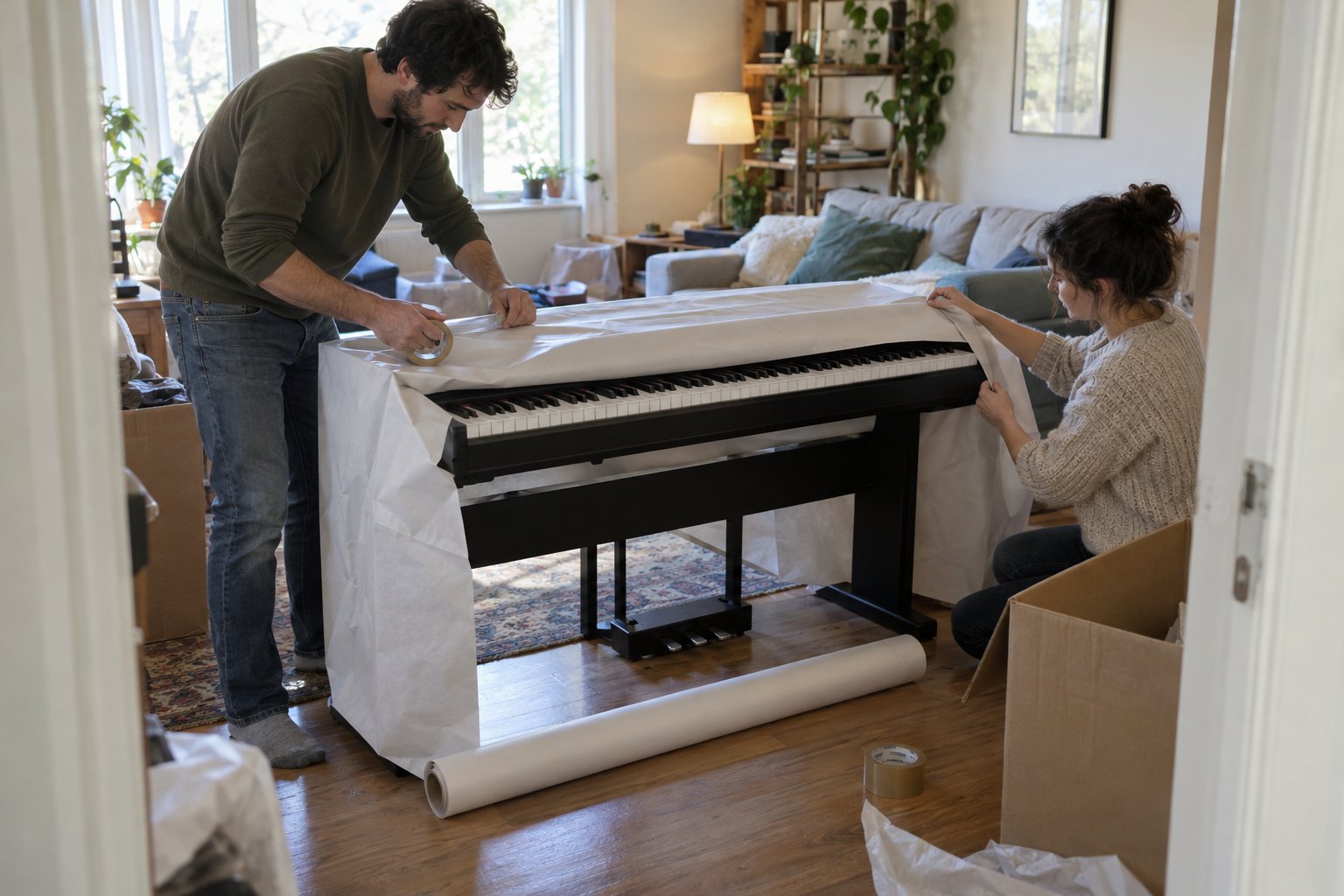
Deciding how to transport a digital piano for a move comes down to one real question: is a padded case and a careful DIY plan enough, or does the instrument's size, weight and the distance involved call for professional movers? For most portable digital pianos moving a short distance, a well-padded DIY approach works fine. For console-style digital pianos, long-distance moves, or stairs, professional help lowers the risk of damage and injury enough to be worth arranging.
Digital Piano vs Acoustic Piano: Why the Moving Plan Is Different
A digital piano is lighter and smaller than an acoustic piano, but it is not a toy. Most slab-style digital pianos weigh somewhere in the neighborhood of 30 to 50 pounds, while furniture-style console digital pianos with a built-in stand and pedal unit can run close to 100 pounds or more. That weight difference changes which option fits your move.
Acoustic pianos need specialized equipment (piano boards, ramps, heavy-duty dollies) and trained technicians because of their size, weight distribution and delicate internal mechanisms. Digital pianos skip the tuning concerns and the cast-iron frame, but they still carry sensitive electronic components, a keybed with moving parts, and in many cases a wooden cabinet that scratches or cracks if it is dropped or knocked against a doorframe.
How to Transport a Digital Piano Yourself: What It Actually Takes
Moving a digital piano yourself works well when the instrument is a portable 61- or 88-key slab model, the move is local, and you have at least one other person to help carry it. The process is straightforward but every step matters: skip one and you risk a cracked key or a damaged jack.
- Disconnect and coil cords separately. Unplug the power adapter, sustain pedal and any USB or audio cables. Coil each one loosely and bag it so nothing gets pulled or bent during loading.
- Remove the music stand and detachable stand. If your piano sits on an X-stand or a furniture-style stand, take it apart according to the manual and wrap the pieces separately so hardware doesn't get lost.
- Protect the keys first. Close the key cover if there is one, then wrap the entire piano in a moving blanket, keeping the padding snug over the keybed where the plastic or wood is thinnest.
- Use the original case or box if you kept it. A manufacturer's packaging is shaped to the piano and is almost always a better fit than a generic box.
- Carry it flat and level. Never carry a digital piano on its end or tilted for an extended period, since internal components and the keybed assembly are designed to sit flat.
- Load it last, unload it first. Position the piano where nothing heavier can shift onto it, ideally standing on edge against a wall with padding between it and anything else.
As a rough rule of thumb, budget around 20 to 30 minutes for a two-person team to properly wrap, carry and load a single digital piano, longer if stairs or tight hallways are involved.
When Does a Digital Piano Need Professional Movers?
A digital piano is worth handing to professional movers when it is a heavy console model, when the move involves multiple flights of stairs, or when it has to travel a long distance where it will sit in a truck for days. Weight and distance both raise the odds of an awkward drop, a jolted cabinet seam or hardware that works loose in transit.
Professionals also bring the right gear: furniture dollies, straps, and enough hands to keep the piano level on a staircase instead of resting its full weight on one corner. If your home has narrow stairwells, a tight turn at a landing, or you simply don't have a second person available on moving day, that is a sign to book help rather than improvise. A specialty moving service is built around exactly this kind of item, one that doesn't fit the standard "box and carry" approach.
Who Each Option Really Suits
DIY transport suits a single slab-style keyboard, a short trip across town, and a team of two people comfortable lifting furniture. Professional help suits a console-style digital piano, any move with stairs or a long hallway with turns, and any long-distance trip where the piano will be loaded alongside other household items for an extended period.
Packing Materials: What Changes Between a Digital and Acoustic Piano Move
A digital piano needs cushioning and a stable ride more than it needs specialized rigging. Moving blankets, bubble wrap for the control panel and display, and painter's tape to secure blankets in place (never tape directly on the piano's finish) cover most of what you need. If you still have the original foam inserts, use them inside the box rather than loose packing paper, since foam holds its shape under light pressure.
For a stand-alone slab piano traveling in a car rather than a moving truck, lay it flat across a back seat or cargo area with blankets underneath and something to brace it from sliding during turns and stops. If it has to go upright, strap it securely to the vehicle's interior frame so it cannot tip.
Should a Digital Piano Travel in a Climate-Controlled Vehicle?
Extreme heat or cold can affect a digital piano's internal electronics and any plastic or wood veneer on the cabinet, the same way it would affect a laptop or a television. Avoid leaving the piano in a parked vehicle for long stretches in very hot or very cold weather, and bring it inside as soon as possible after arrival so it can adjust to room temperature before you power it on.
If you are comparing your digital piano move against the rest of your move, a loading order that protects fragile items in a moving truck is worth reviewing, since the same principles of weight distribution and padding apply to a piano as they do to other delicate pieces. If your move is covering real distance rather than a few miles across town, it also helps to understand how long-distance moving services handle fragile or heavy items differently than a short local trip.
Planning your move? Request a quote from Alpaca Moving Services.
Frequently Asked Questions
Does a digital piano need to be unplugged and left to rest before moving?
Power it down normally and unplug all cables before you start wrapping it. There is no need to leave it unplugged for a waiting period the way an acoustic piano sometimes needs to settle after tuning; a digital piano is ready to move as soon as it is disconnected and padded.
Can a digital piano be transported standing upright in a moving truck?
It can travel upright if it is strapped securely against a wall of the truck with padding on all sides, but laying it flat is generally more stable for a slab-style model without a cabinet base. A furniture-style console with a sturdy stand often travels better upright and strapped.
What should movers know about a digital piano before moving day?
Let the crew know the piano's approximate weight, whether it has a detachable stand, and whether stairs or tight turns are involved. That lets them plan the right number of people and equipment before they arrive.
How long does it take to safely move a digital piano within the same move?
For a single slab-style piano with two people helping, allow roughly 20 to 30 minutes to wrap, carry and load it properly, more if stairs or a long hallway are involved. Build that time into your overall moving day schedule rather than treating it as an afterthought.
Is a digital piano more fragile than other large electronics when moving?
A digital piano combines a keybed with moving mechanical parts and sensitive electronics, so it deserves similar care to a television but with added attention to keeping it flat and avoiding pressure on the keys. Treat it as both an electronic device and a piece of furniture.
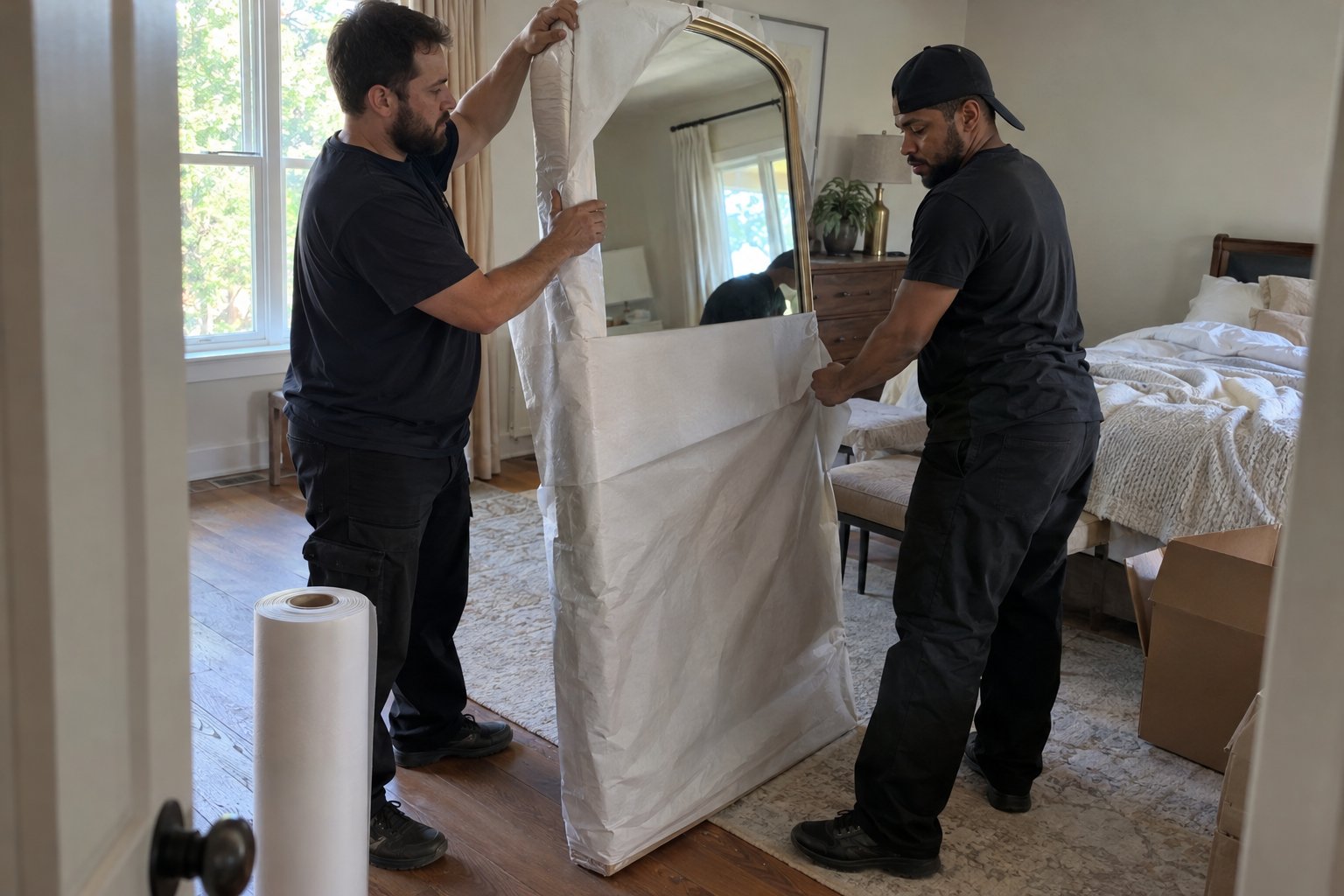
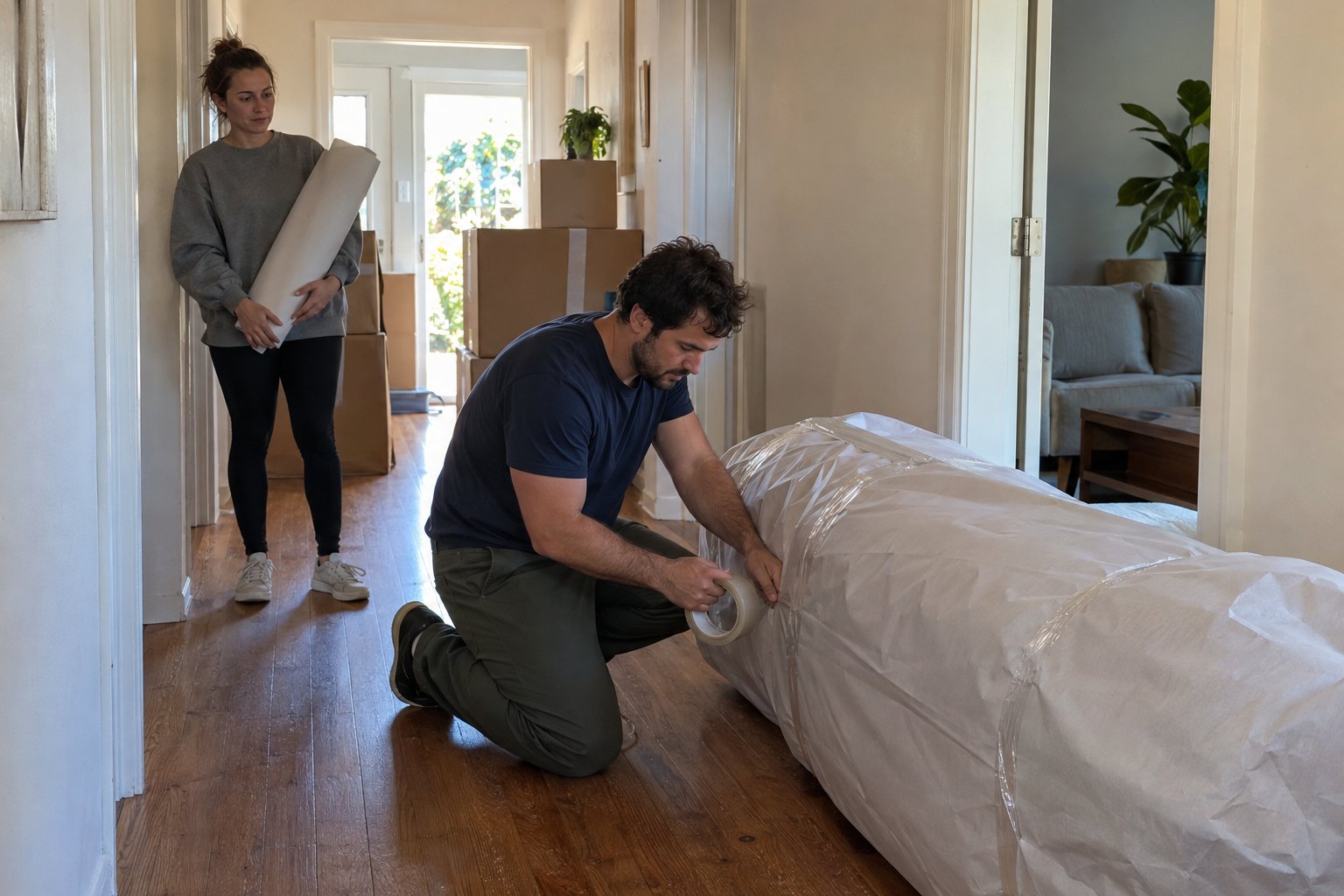
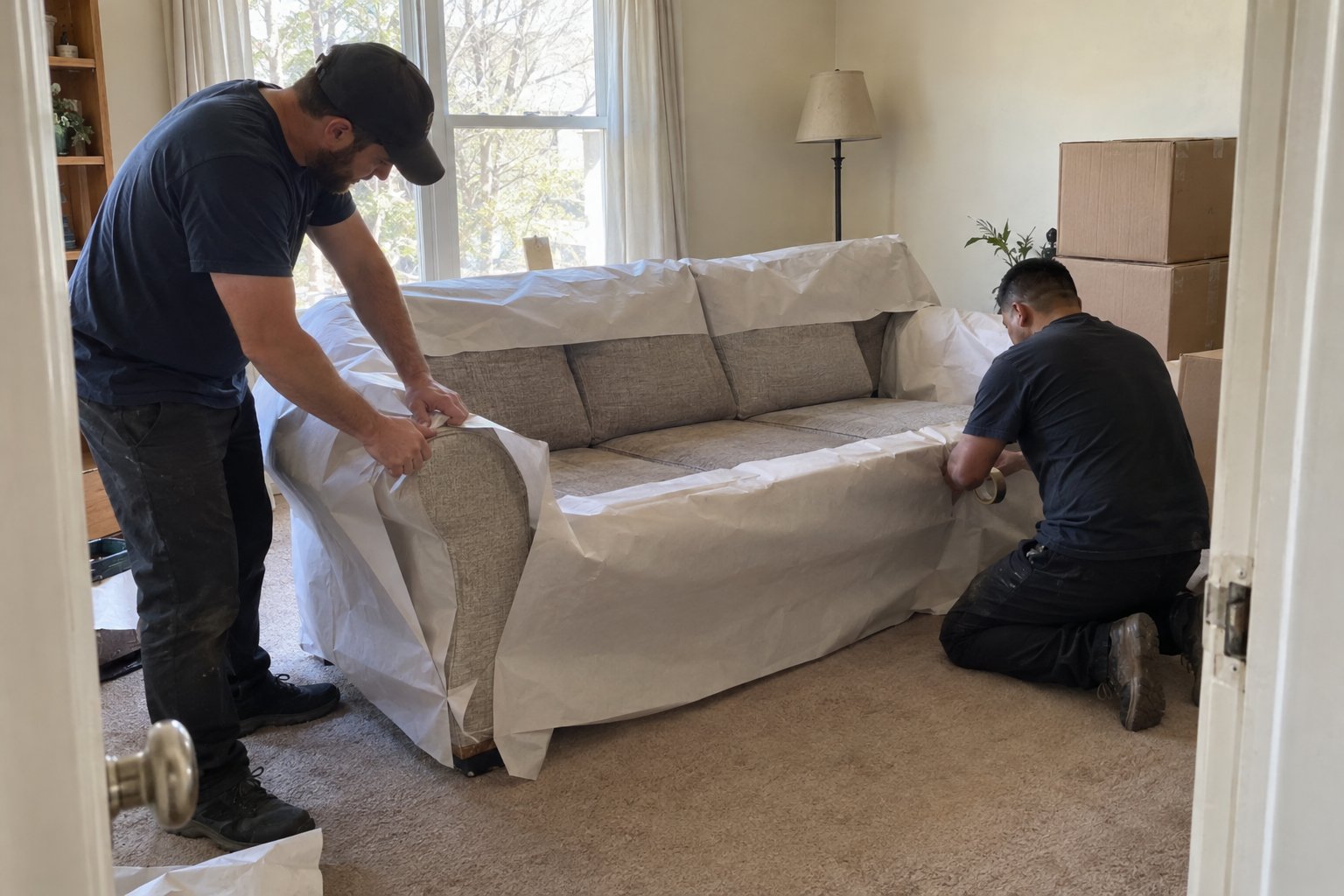


Alpaca Movers has you covered!


Open 24 hrs