Buffalo, NY Moving Day: An Hour-by-Hour Timeline That Actually Holds Up



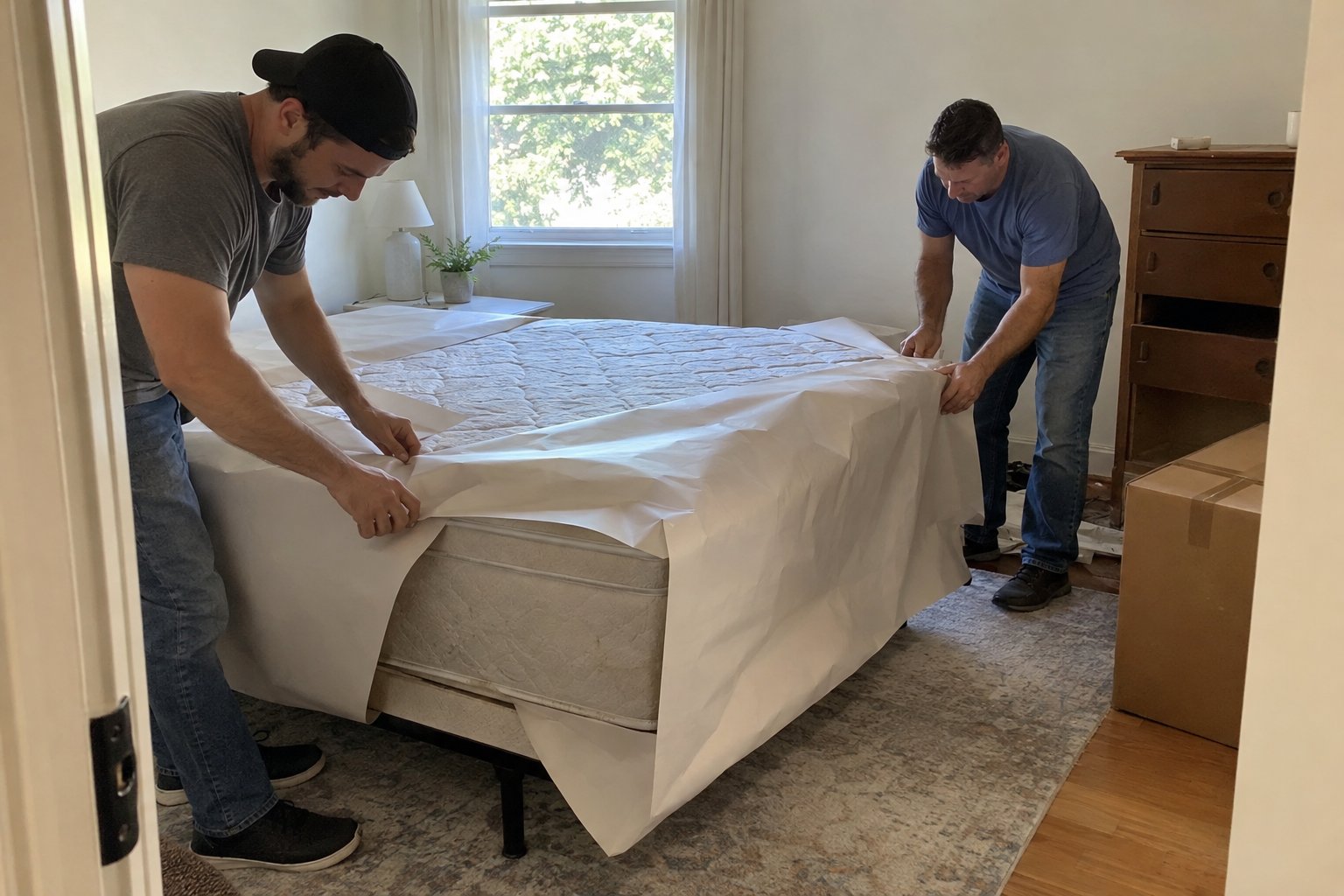
Getting a truck loaded and unloaded in a single day in Buffalo, NY comes down to three things: how your route and parking are arranged, how your rooms are sorted before the crew arrives, and how you sequence the day itself so nobody is standing around waiting. This guide walks through a practical plan for moving within or into the Buffalo area, with a sample timeline you can adjust to your own home.
Start With Your Building, Not the Calendar
Before you think about hours and minutes, look at the two buildings involved: the one you're leaving and the one you're moving into. If either has a narrow driveway, a shared lot, an elevator, or an HOA that limits where a truck can park, sort that out days ahead, not the morning of. Call the building manager at your new place if you're moving into an apartment or condo, and ask whether the elevator needs to be reserved for a certain block of time.
If you're moving between towns in the area, such as from Tonawanda, NY into Buffalo, NY, or from Cheektowaga, NY out toward Amherst, NY, build a few extra minutes into your drive time rather than assuming the route will be clear. Traffic patterns shift during the day, and a move that looks like a 20-minute drive on a map can run longer once you account for loading at one end and parking at the other.
How Does Weather Actually Affect a Moving Day Here?
Weather affects a moving day mainly through footing, visibility, and how long boxes and furniture sit exposed outside. Rain, snow, or ice on a walkway or ramp slows everyone down and raises the odds of a slip, so the biggest weather-related task is keeping the path from the door to the truck clear and dry.
Check the National Weather Service forecast for your move date a few days out, then again the night before. If snow or ice is expected, plan to shovel and salt or sand the walkway, driveway, and loading area before the crew or truck arrives, and keep an extra set of towels by the door to wipe down wet furniture and box bottoms. In warmer months, the main weather concern is sun exposure for anything that shouldn't sit in a hot truck for hours, like candles, electronics, or anything with a battery. Either way, build a little slack into your schedule so a weather delay at the start of the day doesn't compress everything that follows.
Build a Moving Day Timeline That Actually Holds Up
A moving day timeline works when it's built around how long each phase really takes, not how long you wish it took. As a general rule of thumb, allow roughly an hour per room for loading a typical household, plus travel time and a similar window for unloading, then add a buffer for breaks and the unexpected.
Morning: Final Walkthrough and Staging
Before anything goes on the truck, walk every room and confirm nothing was missed in closets, cabinets, or under furniture. Stage boxes near the entry in the order you want them loaded, with the heaviest furniture pieces identified and cleared of any obstacles in the path to the door.
Midday: Loading and the Drive
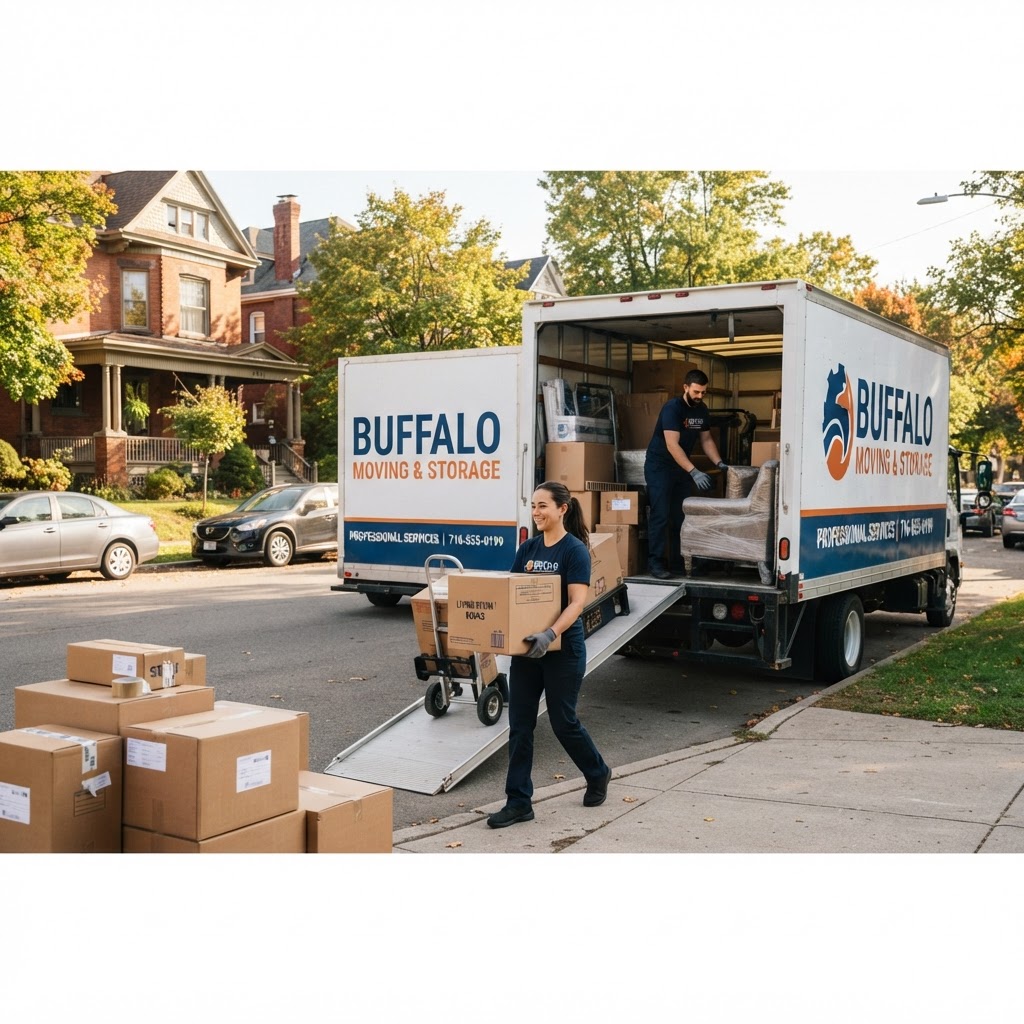
Loading is where most of the day's time goes, since it involves carrying, maneuvering, and securing items rather than just carrying boxes in a straight line. Keep a clear path from your door to the curb, move pets and kids somewhere safe and out of the way, and have cash or a card ready to tip the crew at the end if that's your plan.
Afternoon: Unloading and First-Night Setup
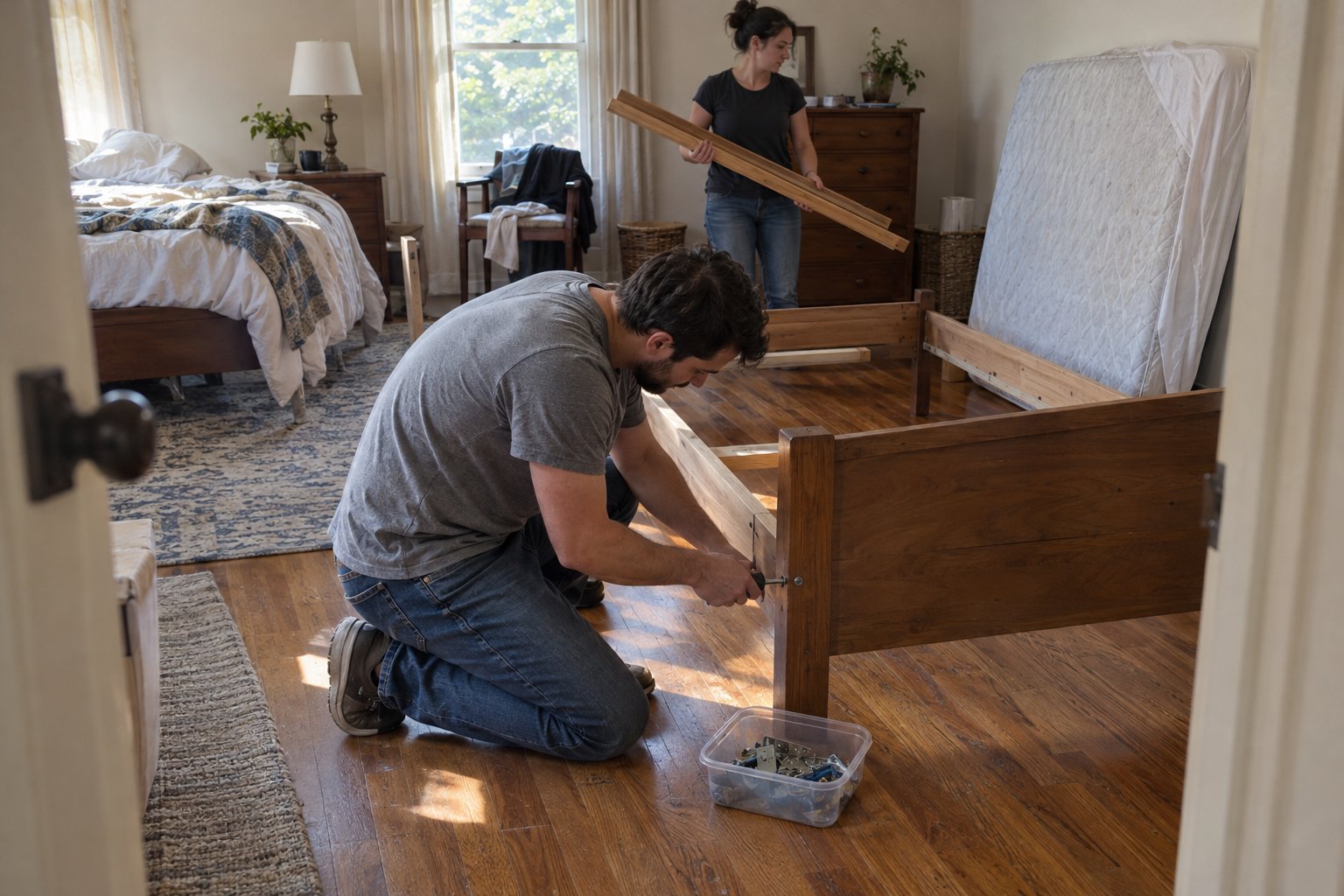
Unloading tends to move faster than loading because the order is already set, but it still benefits from a plan: know which room each labeled box belongs in before the truck doors open. Set up beds, basic kitchen items, and bathroom essentials first so the first night doesn't depend on digging through boxes.
What Should You Prepare the Night Before a Move?
The night before a move is for finishing small tasks that would otherwise eat into the morning, like packing a bag of essentials, charging phones, and confirming parking arrangements at both ends. Treat it as the last checkpoint before the schedule you built actually gets tested.
- Confirm your parking plan. If either building requires reserved parking or a permit for a moving truck, having that sorted the night before avoids losing the first hour of the day to logistics.
- Pack a first-night bag. Keep medications, chargers, a change of clothes, and basic toiletries separate from the boxes so you aren't unpacking at 9pm to find a toothbrush.
- Check the forecast one more time. A late change in the forecast might mean shifting your start time earlier or later, or adjusting how you protect floors and walkways.
- Set aside tools and supplies. Keep a box cutter, basic tool kit, and extra tape within reach rather than packed at the bottom of a box.
Keeping the Day on Schedule Once It Starts
Once moving day begins, the biggest threat to your timeline isn't any single big task, it's small delays that stack up: a blocked driveway, a missing elevator reservation, or boxes that weren't staged where the crew expected them. Address these before they start, not while the truck is idling.
If your move involves a long-distance leg, for example relocating out of the Buffalo area for a job, it helps to separate the local load-out logistics from the longer transit plan, since they run on different timelines and risks. For that kind of move, it's worth looking at how long-distance moving services are scheduled and coordinated so the local day-of plan and the longer trip don't conflict. For a standard local day-of move, a residential moving service can also handle the loading, driving, and unloading as one continuous job instead of three separate ones you have to coordinate yourself.
Changing Your Address Before the Day Is Done
Moving day itself isn't the time to start your address change paperwork, but it's worth finishing before you lose track of the date. Submit your mail forwarding request with USPS a few days ahead so it's active by the time boxes are unloaded, and keep a short list of the other accounts (bank, employer, insurance) that need the same update. If you want a fuller rundown of who else to notify and in what order, the address change checklist covers that separately from the moving day plan itself.
When a Day-Of Plan Isn't Enough on Its Own
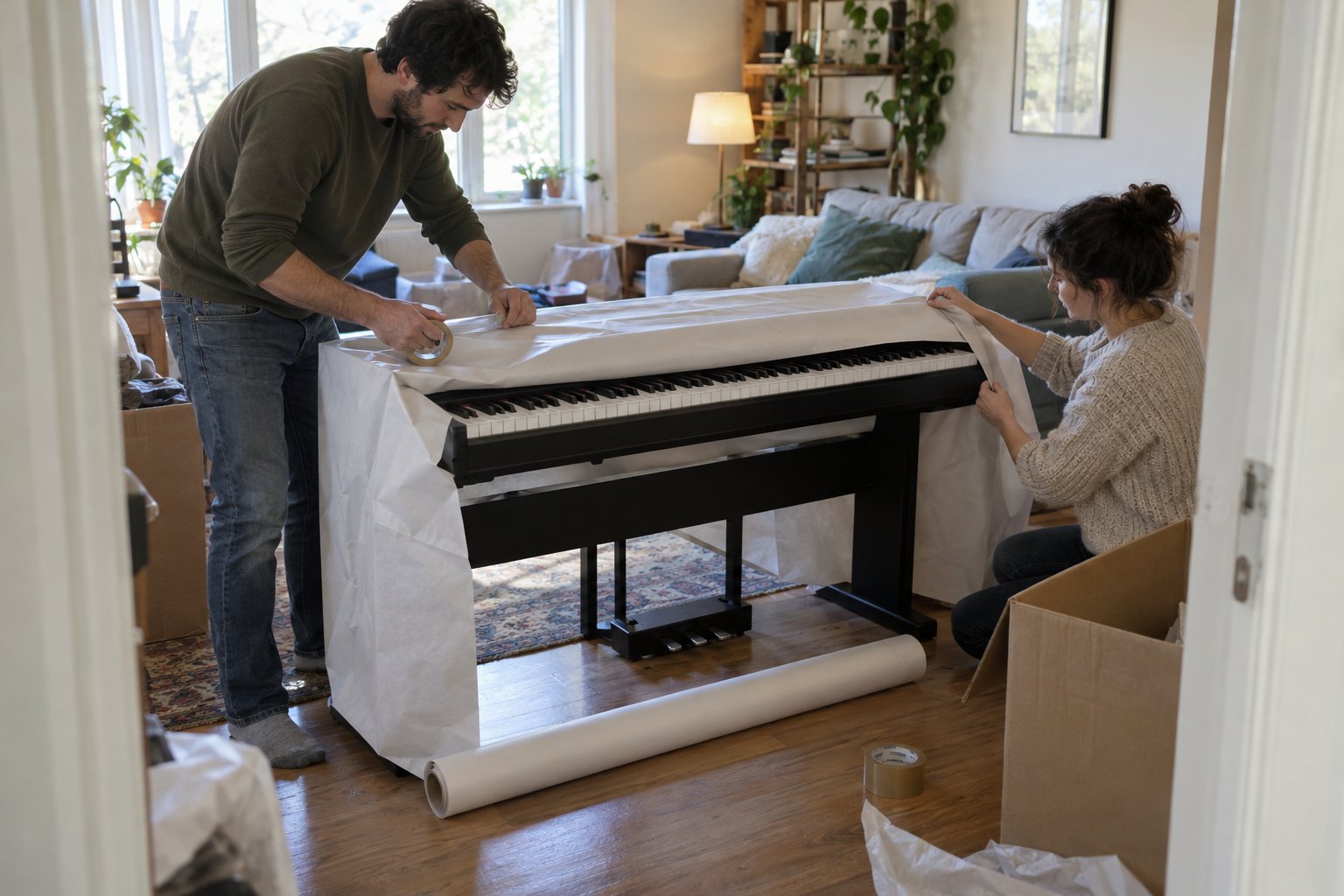
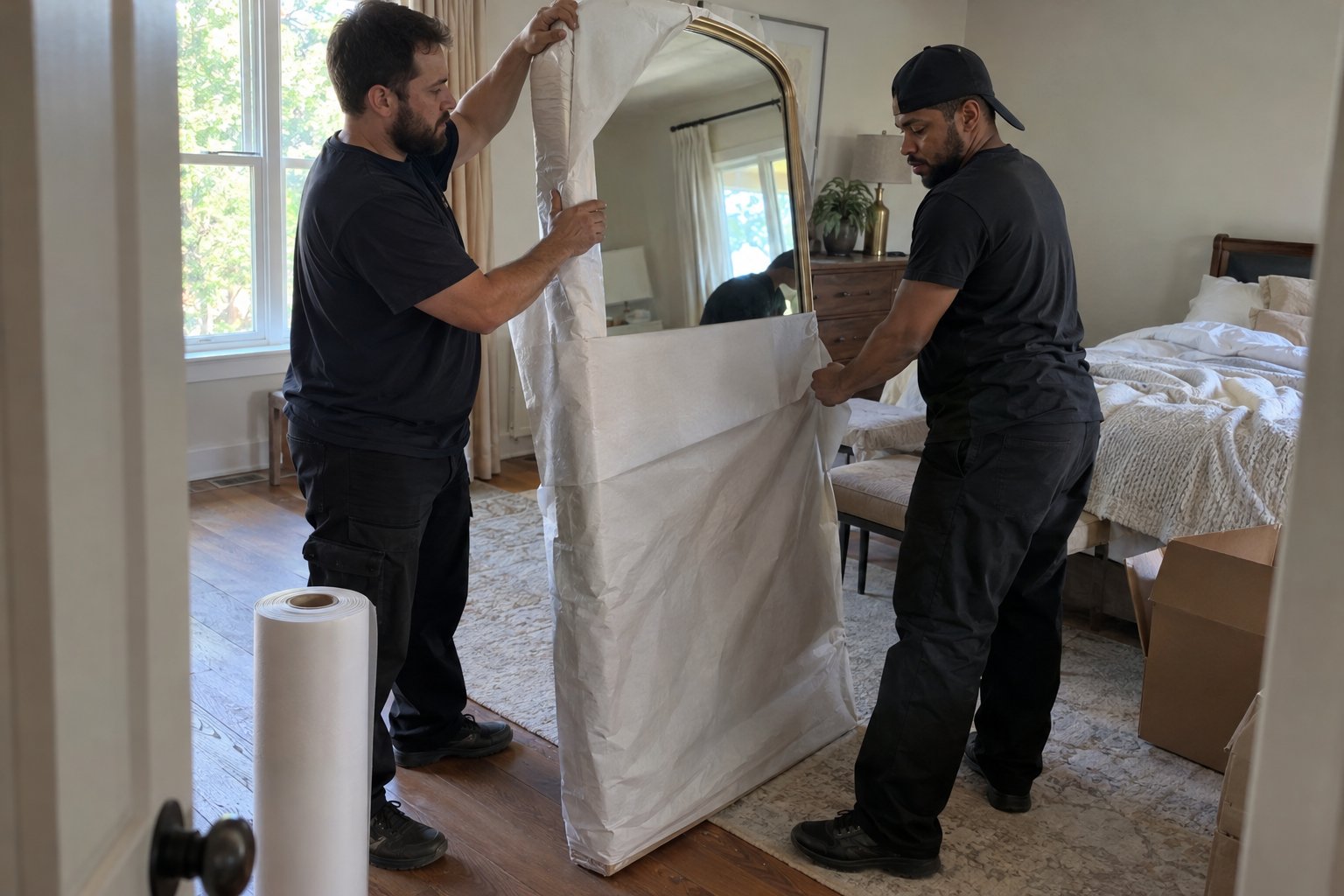
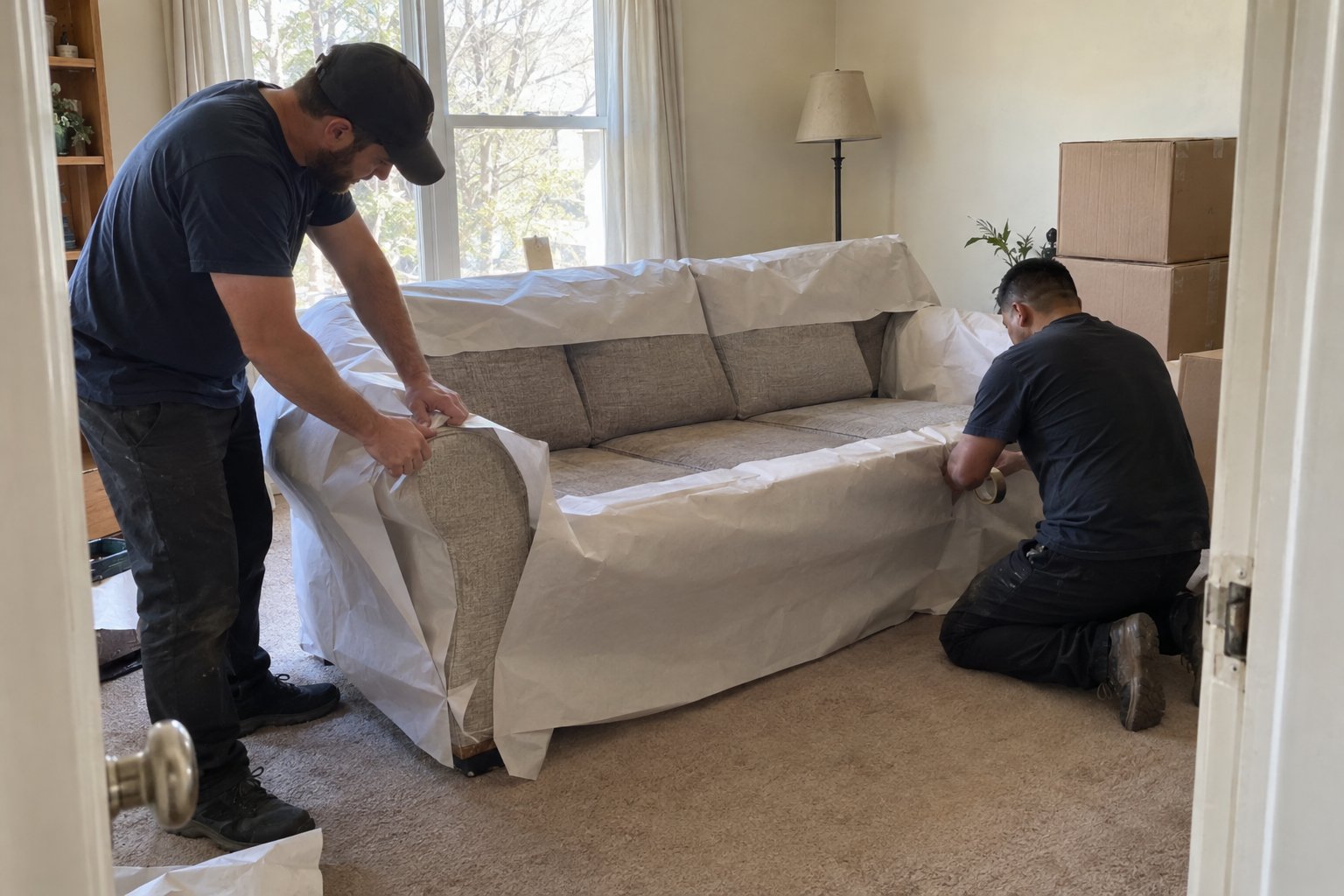
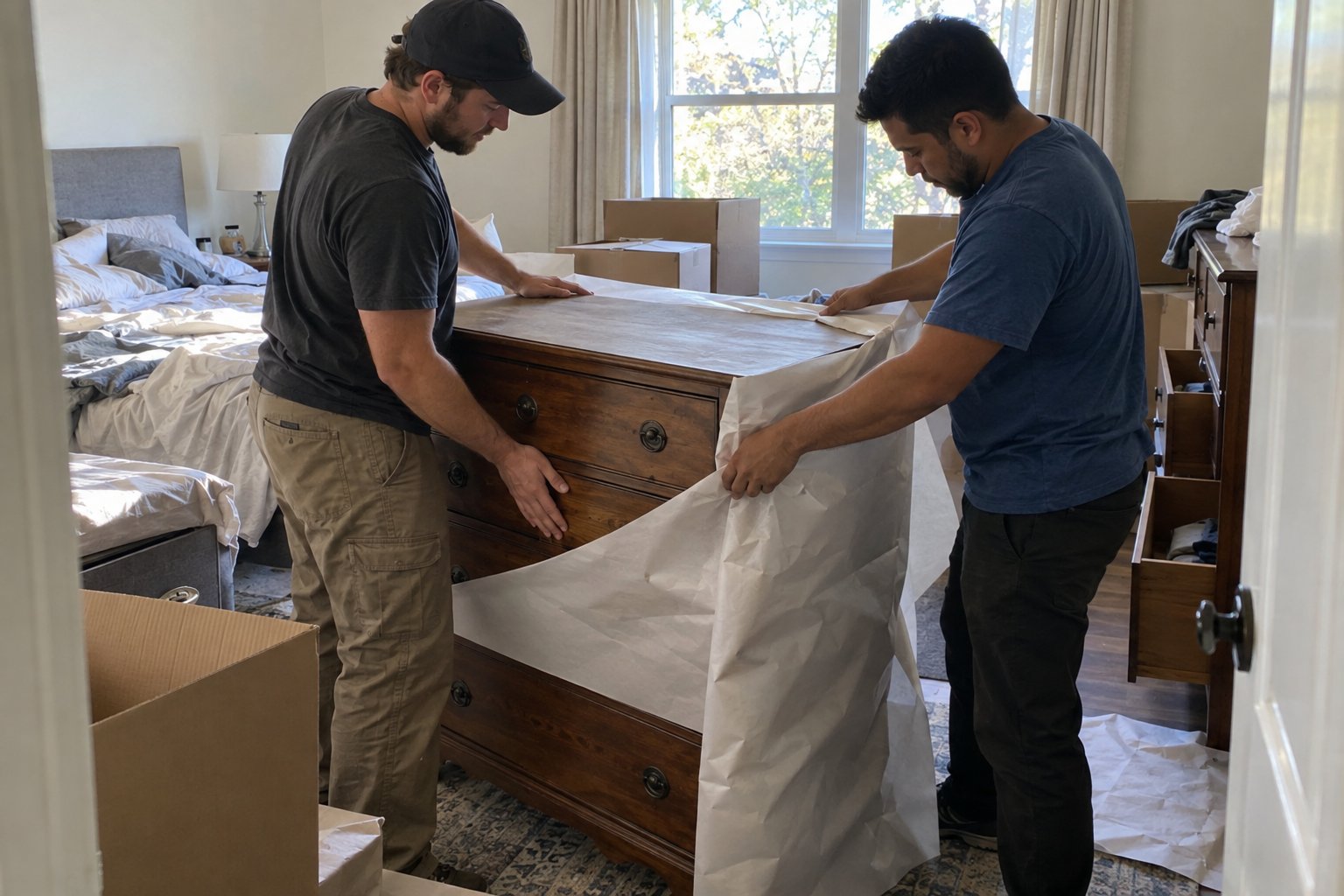
A solid day-of plan assumes the rest of the move is already handled, meaning boxes are packed, fragile items are wrapped, and furniture is ready to carry. If any of that is still outstanding a day or two before your move, it changes what your moving day actually needs to accomplish.
If you're moving from or into one of the surrounding towns, such as West Seneca, NY or Hamburg, NY, confirm with whichever moving company you hire what their day-of arrival window looks like, since that affects how early you need to finish your own staging. Checking in with the Buffalo, NY movers page for service details relevant to your specific address is a reasonable first step if you haven't locked in a crew yet.
Planning your move? Request a quote from Alpaca Moving Services.
Frequently Asked Questions
How early should a moving truck arrive on moving day?
Most local moves schedule the truck's arrival for the morning so there's enough daylight left for loading, driving, and unloading without rushing the last few rooms. Confirm the exact arrival window with your crew a day or two ahead so you can finish staging boxes before they show up.
What should I tell the moving crew before they start loading?
Walk them through any stairs, tight doorways, elevator reservations, or parking restrictions at both addresses before loading begins. Mentioning fragile or awkward items up front also helps them plan where those pieces go on the truck.
Can a move still happen on a rainy or snowy day in Buffalo?
Yes, but plan to clear and treat walkways, driveways, and ramps before the truck arrives so footing stays safe. Keep towels handy to dry off wet furniture and box bottoms as they come through the door.
How do I keep a moving day timeline from falling apart partway through?
Stage boxes by room near the entry the night before, confirm parking and elevator reservations in advance, and build a short buffer into the schedule for breaks or small delays. Most slippage comes from small logistics problems, not the actual carrying.
What should be unpacked first after the truck is unloaded?
Set up beds, basic kitchen items, and bathroom essentials first so the first night doesn't depend on opening more boxes than necessary. Everything else can wait until the next day.
Alpaca Movers has you covered!


Open 24 hrs