What to Do the Week Before a Move: A Day-by-Day Countdown



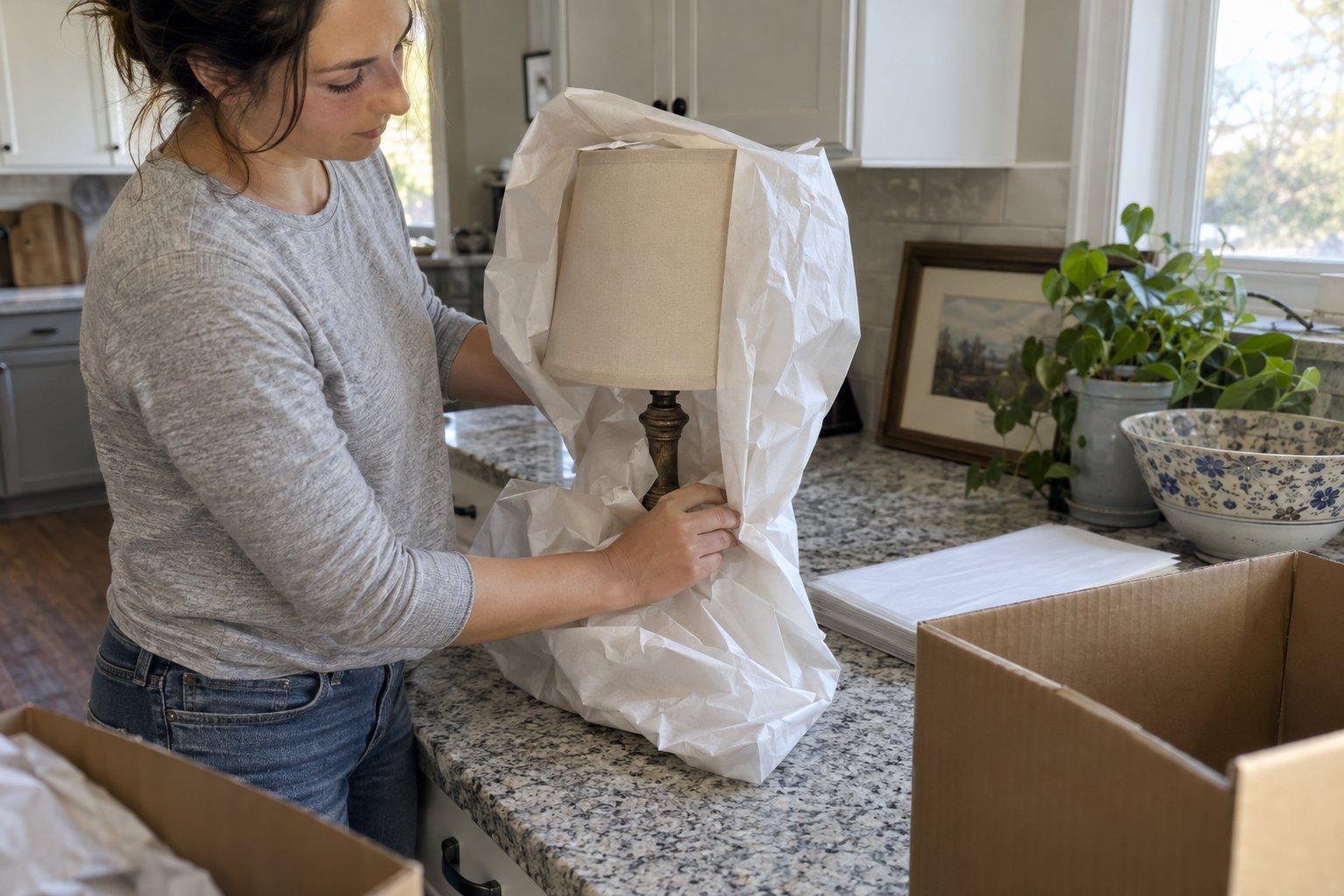
The week before a move is when a plan either holds together or falls apart. If you have already booked movers and started packing weeks out, this final stretch is about locking down the details that get overlooked: confirming logistics, transferring utilities, and setting aside what you need to survive the first 48 hours in a new place. Miss one of these and moving day gets a lot harder than it needs to be.
This is a day-by-day breakdown of what actually needs to happen in the final seven days, based on the moves that go smoothly versus the ones that don't.
What Should You Do 7 Days Before Moving?
Seven days out, confirm every detail of your move with your moving company and finish packing everything except daily essentials. This is also the day to start using up perishable food and notify anyone who needs your new address.
- Call your moving company to confirm the date, arrival window, and any special items (large furniture, appliances) they're expecting to move.
- Finish packing rooms you don't use daily: guest rooms, storage closets, seasonal items.
- Start a "first night" box or bag: toiletries, chargers, a change of clothes, basic medications.
- Order takeout or plan meals around what's already in the fridge and pantry instead of buying more groceries.
How Do You Handle Utilities Before Moving Day?
Utilities should be scheduled to shut off at your old address the day after you leave and turned on at your new address the day before you arrive. Doing this a week ahead avoids the common mistake of showing up to a house with no hot water or internet.
Contact these providers directly rather than assuming your landlord or the moving company will handle it:
- Electric and gas: schedule the stop date for the old address and start date for the new one.
- Internet and cable: many providers need 5 to 7 business days' notice to install or transfer service.
- Water and trash pickup: often handled by the municipality, not a private company, so check your city's website.
- Renters or homeowners insurance: confirm your policy is active at the new address before move-in day, not after.
What Needs to Happen 2 to 3 Days Before the Move?
With two or three days left, finish packing everything except what you'll need overnight, and start disassembling furniture that doesn't need to be moved fully assembled. This is also when you defrost the freezer and clean out anything you're not taking.
- Disassemble beds, shelving units, and anything with removable legs, and keep hardware in labeled bags taped to the piece.
- Defrost and clean out the refrigerator and freezer at least 24 hours before it gets loaded, since a wet fridge can damage flooring and other items in the truck.
- Set aside a box of cleaning supplies for a final wipe-down of the old place.
- Charge devices, back up important files, and gather chargers into your first-night bag.
- Withdraw cash for movers if you're planning to tip, since not everyone carries a card reader on moving day.
What Should Be Done the Night Before You Move?
The night before, everything except your first-night bag and essentials for the morning should be packed, labeled, and ready to load. Do a final walk-through of every room, closet, and drawer so nothing gets left behind.
- Check closets, cabinets, drawers, and behind doors for anything forgotten.
- Set aside a folder with moving day paperwork: your contract with the movers, keys for the new place, and ID.
- Make sure a clear path exists from each room to the front door for the movers.
- Set an alarm early enough to eat breakfast before the crew arrives, since moving day tends to run past mealtimes.
How Do You Prepare for Moving Day Itself?
On moving day, your main job is to be available for questions, point out fragile or special-handling items, and stay out of the way once loading starts. Keep your first-night bag, important documents, and any small valuables with you rather than on the truck.
If you're working with a residential moving company, walk the crew through the home before they start so they know what's going where and what needs extra care. Confirm the delivery address and your phone number with the crew lead in case anything comes up during transport. Once the truck is loaded, do one more walk-through of every room before you hand back keys or lock up.
What If You're Short on Time the Week of the Move?
If you're behind schedule with only days left, prioritize utilities, packing essentials, and confirming your movers over anything cosmetic like deep cleaning. Consider bringing in extra help for the final push rather than trying to catch up alone.
Booking professional packing services even just for the last few rooms can save a full day of stress when time is tight. If you're relocating out of the immediate Buffalo area and haven't nailed down logistics yet, our guide on local vs long-distance moving can help you figure out what kind of move you're actually planning for and what that changes about your timeline.
A rushed final week is still manageable if you focus on the handful of tasks that actually block moving day: utilities, a confirmed crew, and a bag of essentials. Everything else can wait until you're unpacking.
Once the big week arrives, having a moving company that communicates clearly makes the countdown far less stressful. If you haven't locked in your movers yet, now is the time to request a moving quote so the rest of this checklist has a fixed date to work backward from.
Frequently Asked Questions
How many boxes should be packed by the week before moving?
Ideally everything except daily essentials, kitchen basics, and clothing you'll wear that week should be packed by seven days out. Leaving only a small, predictable pile for the final days keeps the last 48 hours manageable.
When should I switch my mailing address before a move?
Submit a mail forwarding request with USPS about a week before moving and update your address with your bank, employer, and any subscriptions at the same time, since some updates take several business days to process.
Should I empty the refrigerator before movers arrive?
Yes, the refrigerator should be emptied, defrosted, and dried out at least a day before movers arrive. A fridge that's still cold or wet can leak during transport and damage flooring or nearby boxes.
What should I keep with me instead of putting on the moving truck?
Keep IDs, cash, jewelry, medications, and a change of clothes with you rather than on the truck. These are the items you can't easily replace or wait on if delivery is delayed.
Is it normal to still be packing the morning of moving day?
It happens, but it's not ideal. If you're still packing when movers arrive, they generally have to work around it, which slows the load and can extend the time (and cost) of the move.


Alpaca Movers has you covered!
.avif)
.png)
Open 24 hrs