Moving in Buffalo Winter: What to Know Before You Book a Date



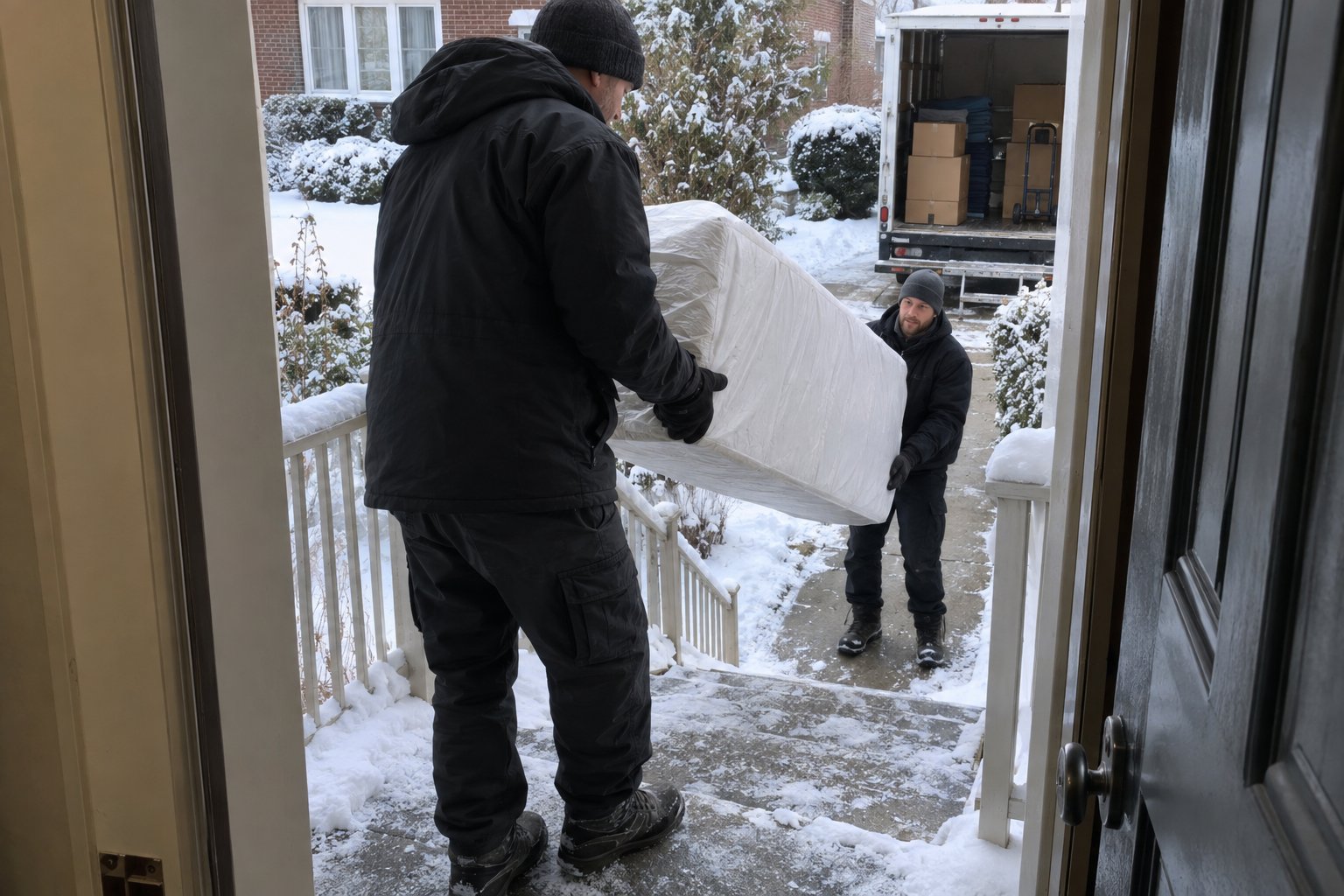
Moving in Buffalo winter is manageable if you plan around the weather instead of hoping it cooperates. Lake-effect snow can drop a foot overnight, driveways ice over fast, and moving trucks need extra room to maneuver safely. None of that means you should push your move to spring. It just means the prep list looks a little different.
Here's what actually changes when you move between December and March in Western New York, and how to keep the day from turning into a mess.
Is It a Bad Idea to Move During a Buffalo Winter?
No, but it takes more planning than a summer move. The biggest risks are icy walkways, delayed trucks, and cold that makes packing and loading slower and more uncomfortable. With the right precautions, a winter move can actually be cheaper and less crowded than moving during peak season.
Moving companies tend to have more schedule flexibility in the winter months, since fewer people relocate then. That can work in your favor if you need a specific date or want to avoid the bidding-war feel of a summer Saturday. The tradeoff is that you're at the mercy of whatever Lake Erie sends that week.
What Time of Year Has the Least Moving Demand in Buffalo?
Late November through February is typically the slowest stretch for local movers here. If your move date is flexible, a weekday in January often gives you the most scheduling options and sometimes better rates, since demand is lower than the May-through-September rush.
How Does Snow and Ice Affect Moving Day Logistics?
Snow and ice mainly slow down loading and create slip hazards on driveways, steps, and ramps. The fix isn't complicated: clear paths before the crew arrives, use salt or sand generously, and build extra time into the schedule for slower, more careful loading.
- Shovel and salt the driveway, walkway, and any steps at both the old and new address the night before and again the morning of.
- Lay down old towels, cardboard, or moving blankets just inside entryways to catch slush and keep floors from becoming a hazard.
- Ask your moving company how they handle a active snowfall or a driveway that isn't cleared. Most will still move you, but a plowed, salted path keeps things moving faster.
- Leave extra buffer time between loading and driving to your new place. Plow schedules and road conditions can add 20 to 30 minutes to a route that normally takes ten.
What Should You Pack Differently for a Winter Move?
Pack outerwear, boots, and a few tools you'll need immediately in a separate box that loads last and unloads first. Beyond that, the main difference is protecting electronics and liquids from temperature swings, since anything sitting in an unheated truck for hours can be affected by the cold.
Items That Need Extra Attention in Cold Weather
- Electronics. Let TVs, computers, and game consoles sit at room temperature for a few hours before plugging them in after a cold ride, since condensation can form inside cold electronics brought into a warm room.
- Liquids and aerosols. Cleaning supplies, paint, and canned goods can freeze or crack in extreme cold. If your move involves several hours in transit, pack these last so they spend less time in the truck.
- Plants. Houseplants are especially vulnerable to cold drafts during loading. If you're relocating plants in winter, keep them insulated and load them last, right before the truck doors close, so they're exposed to the cold for the shortest possible time. Our guide to moving with houseplants covers insulation and transport in more detail.
- An essentials box. Phone chargers, medications, a few days of clothes, and any tools needed to reassemble furniture should travel with you, not in the truck, in case of a weather delay.
Should You Reschedule If a Storm Is Forecast?
A forecasted flurry usually isn't a reason to reschedule, but a significant lake-effect event or a travel advisory is. Talk to your moving company a day or two out. Most reputable Buffalo movers track the forecast closely during winter months and will flag it if conditions look genuinely unsafe for loading or driving.
If you do need to shift the date, having some flexibility built into your week-before moving checklist makes it much easier to adjust utilities, cleaning appointments, and helper schedules without starting over.
How Do You Choose a Mover Who Handles Winter Conditions Well
Look for a company with local experience, since crews who move through Buffalo winters year after year know how to handle icy loading docks, narrow snow-lined streets, and last-minute weather calls. Ask directly how they've handled storm days in past seasons and what their cancellation or rescheduling policy looks like.
A residential mover based in the area, rather than a national broker dispatching a random crew, is generally better equipped for this. If you're weighing options, our guide on how to choose the right moving company walks through the questions worth asking before you book. For the move itself, Alpaca's residential moving services team plans routes and load times around the day's actual conditions rather than a generic schedule.
Winter Moving Is Workable With the Right Prep
A winter move in Buffalo isn't riskier than any other season, it's just different. Clear paths, protect sensitive items from the cold, build in extra time, and stay in close contact with your movers about the forecast. Do those four things and the season becomes a non-issue rather than an obstacle.
If you're planning a move this winter and want a crew that's used to Western New York conditions, get in touch with Alpaca Moving Services Inc. to talk through your date and what the day will actually look like.
Frequently Asked Questions
Do moving companies charge more for winter moves in Buffalo?
Generally no, and in many cases winter rates are lower since demand drops between November and February. Some companies may add a fee for significant snow removal at either property, so it's worth asking upfront.
Can movers still work during a lake-effect snow warning?
It depends on the severity. Light to moderate lake-effect snow rarely stops a scheduled move, but a travel ban or whiteout conditions typically means rescheduling for safety. Your moving company will usually make that call a day or two ahead.
How do I keep my new home warm while moving in during winter?
Have utilities transferred and the heat turned on a day before move-in so the house is warm when your belongings arrive. This also helps protect wood furniture and electronics from a cold, damp house.
What should I put in my car instead of the moving truck during winter?
Keep medications, phone chargers, a change of clothes, important documents, and any temperature-sensitive electronics or liquids with you rather than in an unheated truck for a long trip.
Is it harder to find movers available in January in Buffalo?
It's usually easier. January and February are typically the slowest months for local moving companies, so you'll often have more date and time options than during the busy summer season.
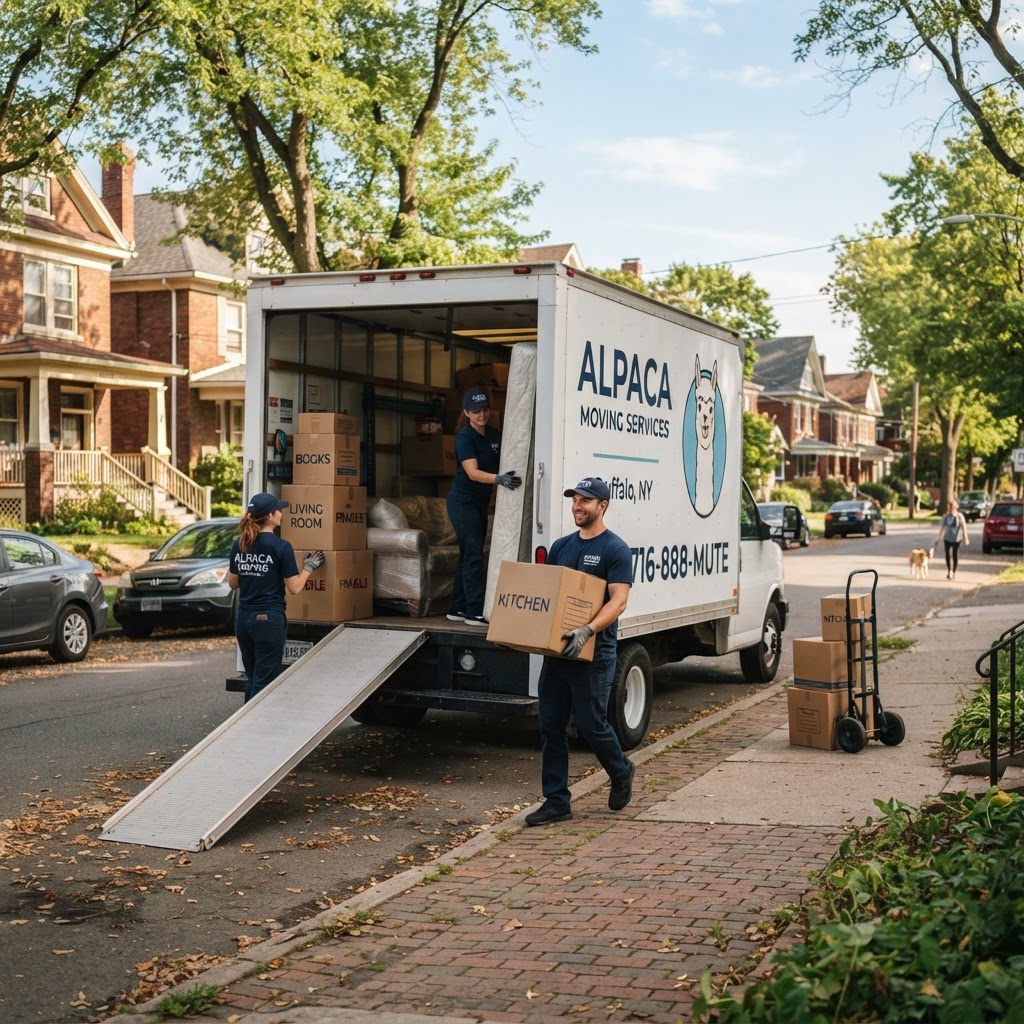
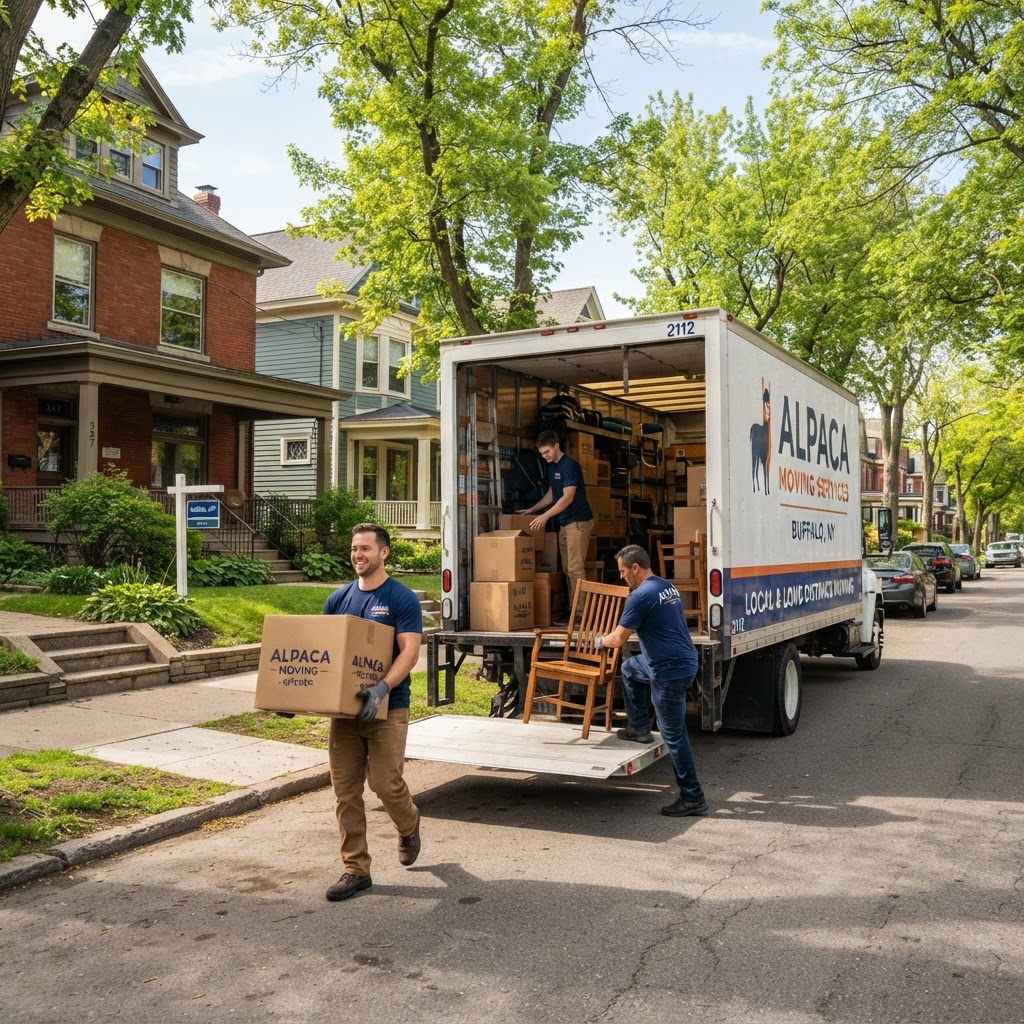
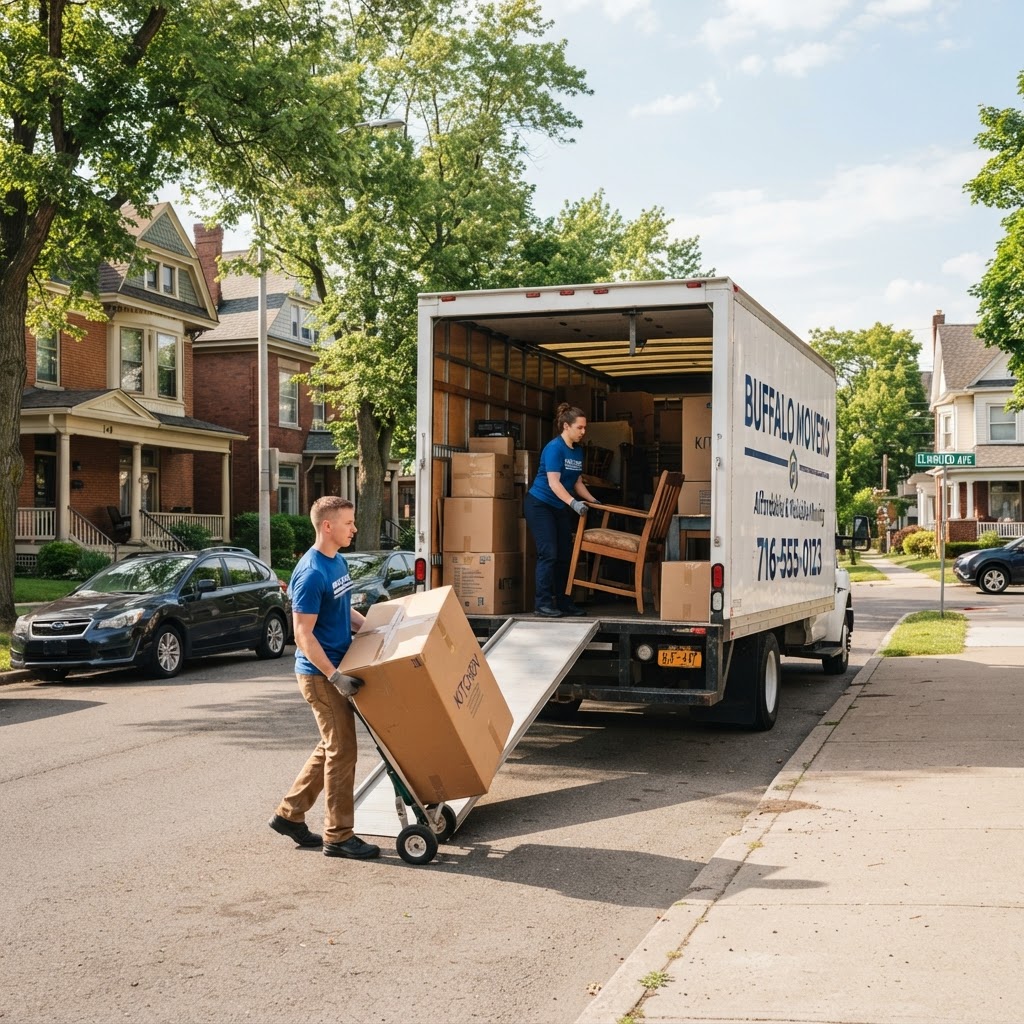
Alpaca Movers has you covered!
.avif)
.png)
Open 24 hrs