Can You Move a POD Yourself? What to Know Before You Load One



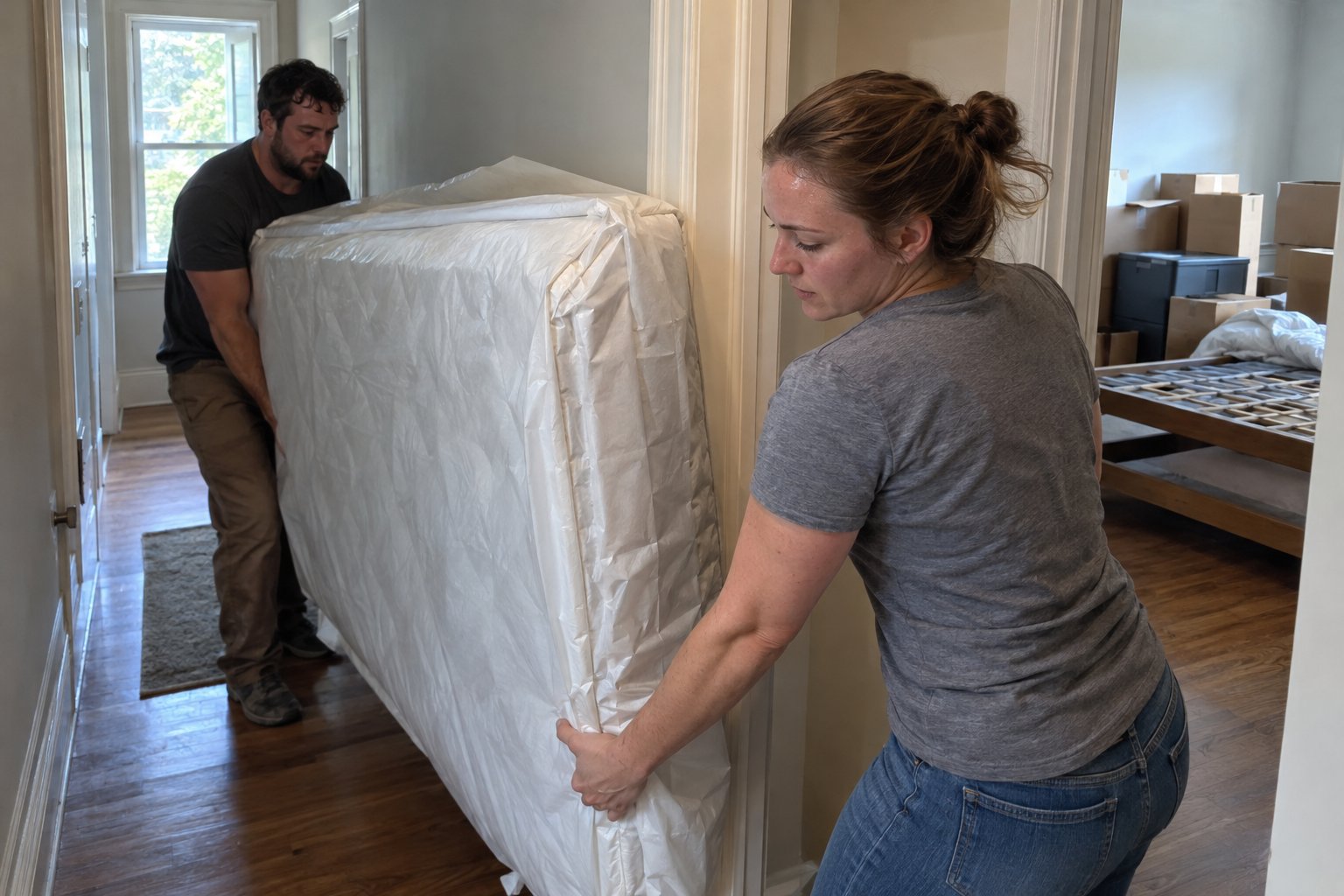
Yes, you can move a POD yourself in the sense that you can pack it, close it up, and schedule the container company to haul it to your new address. What most people really mean by the question, though, is whether they can skip hired help entirely: load it alone, secure everything so it survives transport, and unload it without anyone getting hurt or anything getting broken. That part is possible, but it comes with real limits worth understanding before you commit to doing it solo.
Portable moving containers like PODS, U-Box, and similar services are popular precisely because they split the move into two separate jobs: you (or a crew) load and unload, and the company handles the driving. That setup removes the truck-driving learning curve, but it does not remove the physical work, and that's where most DIY container moves run into trouble.
What Does "Moving a POD Yourself" Actually Involve?
Moving a POD yourself means three distinct tasks: loading the container at your current home, leaving it for pickup and transport by the container company, and unloading it at the destination. You are never driving the container itself (the company's truck does that), so the physical risk is concentrated entirely in the loading and unloading stages.
That distinction matters because people often picture "moving a POD yourself" as something like renting a moving truck, where you're also responsible for navigating a large vehicle. With a container service, your job is closer to packing a very large, stationary box that happens to sit in your driveway for a few days. The tradeoff is that you lose the flexibility of a truck (no multiple trips, no driving it yourself if plans change) in exchange for not having to drive anything larger than your own car.
Can One or Two People Really Load a Full Container?
Two reasonably fit adults can load a standard household's worth of boxes, smaller furniture, and soft goods into a container without major issues. Where DIY loading gets genuinely risky is heavy, bulky, or awkward items: mattresses on stairs, dressers, sofas, appliances, and anything that has to go up a ramp into the container at an angle.
A few things make container loading harder than loading a standard moving truck:
- The ramp angle. Most containers sit higher off the ground than a truck's loading ramp, so pushing or carrying heavy items up and in takes more control, not just more strength.
- Limited maneuvering room inside. Containers are narrower than a full-size truck, which means less space to pivot a couch or walk a dresser around a corner once you're inside.
- No second trip. Everything typically has to go in during one loading window before pickup, so there's less room to pace yourself the way you might with multiple truck runs.
If your inventory is mostly boxes, a studio or one-bedroom's worth of furniture, and nothing that requires two or more people to lift safely, doing it yourself is a reasonable call. If you're dealing with a houseful of furniture, an upstairs unit, or anything like a piano or antique cabinet, it's worth reading up on how to move heavy furniture on your own before you decide, since the same lifting and equipment risks apply whether the furniture is going into a truck or a container.
How Do You Load a Container So Nothing Shifts in Transit
Loading a POD safely means distributing weight evenly, securing items so they can't slide during the drive, and filling gaps so nothing has room to tip. Unlike a truck you're driving yourself, you have no control over how carefully the container is handled once it's picked up, so everything inside has to be able to withstand some jostling on its own.
A few loading principles make the biggest difference:
- Heavy items go low and toward the front (the end closest to the truck cab during transport). This keeps the load stable and prevents a top-heavy tip during transit.
- Use straps or rope through the container's tie-down rings. Most containers have anchor points built in specifically so furniture doesn't shift. Skipping these is one of the most common DIY mistakes.
- Fill empty space with soft goods. Pillows, folded blankets, and boxed linens work well as buffers between furniture pieces so nothing has room to move.
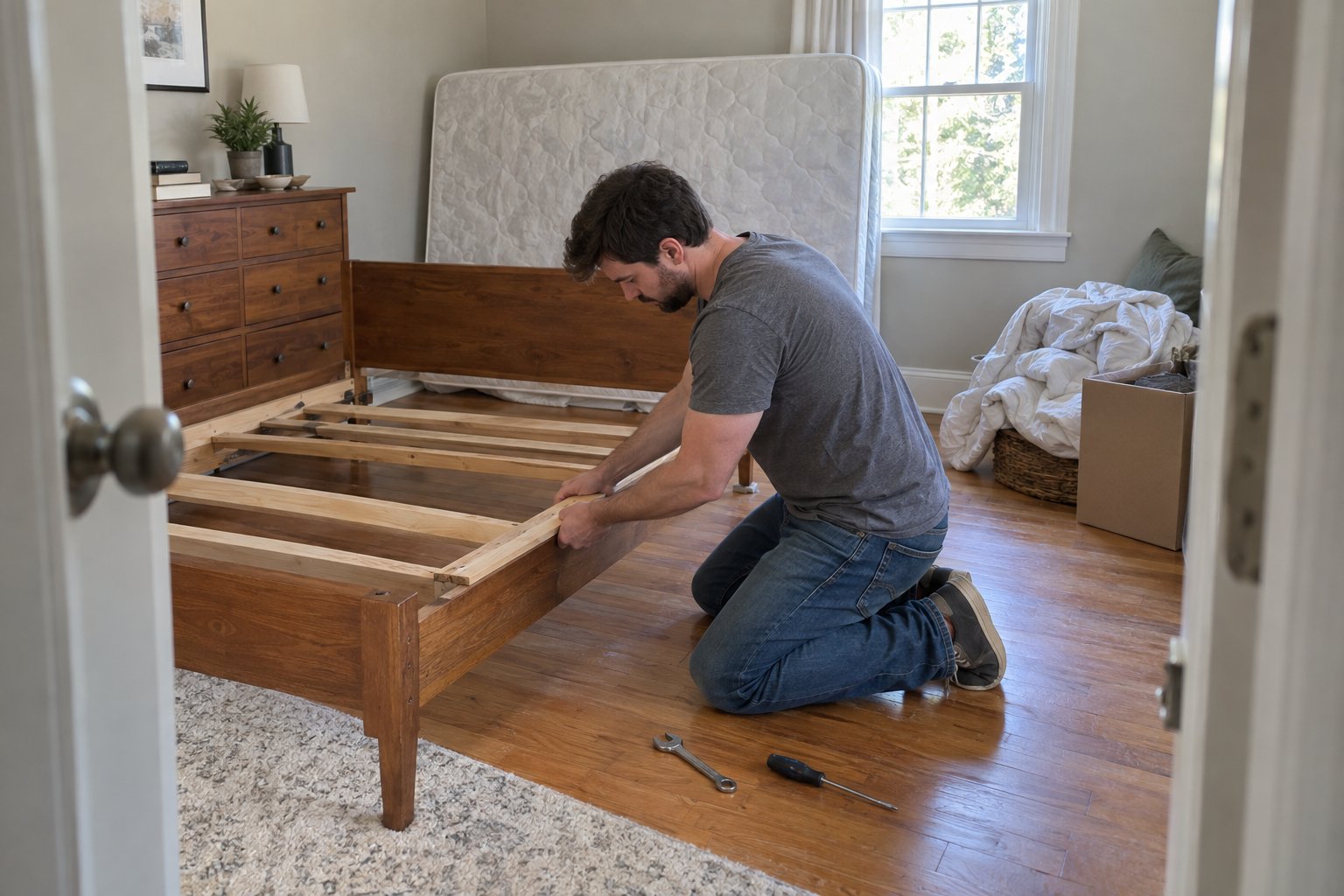
- Disassemble what you reasonably can. Bed frames, table legs, and large shelving units take up less space and travel more safely broken down than assembled.
If you're also considering a traditional storage unit instead of, or in addition to, a container, the loading logic is similar enough that our guide on packing and loading a storage unit like a pro covers useful ground on stacking order and weight distribution.
What Are the Weight Limits and Restrictions on Moving Containers?
Every portable container has a maximum weight capacity, and overloading it can cause structural stress, make it unsafe to transport, or even void the company's damage protection. Weight limits vary by container size and provider, so always check the specific allowance for the unit you've rented rather than assuming based on a different company's listing.
Beyond the stated weight limit, pay attention to how weight is distributed, not just the total. A container loaded heavy on one side or back-loaded toward the door can become unstable in transit even if the overall weight is within limits. If you're unsure whether your household's belongings will fit within a single container's capacity, it's worth getting a written estimate or consulting with your container provider before loading day, rather than discovering a problem once everything is already packed in.
When Does It Make More Sense to Get Loading Help?
It makes sense to bring in help when your inventory includes large furniture, a lot of stairs, a tight timeline, or anyone in the household who shouldn't be lifting heavy items. Hiring labor for just the loading and unloading portion lets you keep the cost savings of a self-service container while removing the physical risk that causes most DIY moving injuries.
This middle option, sometimes called "load and unload" or "labor-only" service, is worth considering if you're on the fence. You still handle the logistics and scheduling with the container company, but trained movers do the heavy lifting, strapping, and space planning inside the container itself. It's a reasonable compromise for anyone who likes the flexibility of a portable container but doesn't want to risk a back injury or a damaged staircase getting everything loaded.
If you'd rather have the entire move handled, from packing through loading, a full-service residential move removes the DIY question altogether and puts trained movers in charge of every stage.
Frequently Asked Questions
Still weighing your options? Request a moving quote from Alpaca Movers and we can walk through whether a container, a traditional move, or a hybrid approach fits your situation best.
Frequently Asked Questions
Do I need a permit to have a POD placed in my driveway or on the street?
Driveway placement usually requires no permit since it's private property, but street placement often does depending on local rules. Check with your municipality before scheduling delivery if the container will sit on or near the curb, since some areas require a temporary permit for a parked container.
How long can a POD sit at my house before I have to load it?
Most container companies allow you to keep the unit on-site for a set rental period, often measured in weeks rather than days, though exact terms vary by provider. Confirm the allowed on-site window with your specific company so you're not caught off guard by extra fees.
Is it cheaper to load a POD yourself than to hire movers for the whole job?
Self-loading a container generally costs less in labor than a full-service move, since you're only paying for the container rental and transport rather than a moving crew's time. That said, request a written quote for both options since container rental, mileage, and any add-on services affect the total more than people expect.
Can two people load a three-bedroom house into a POD by themselves?
It's physically possible but demanding, especially with large furniture, appliances, or multiple flights of stairs involved. Many households in this situation hire labor-only help for just the loading day rather than attempting the full job with two people.
What happens if something shifts or gets damaged inside the container during transport?
Container companies typically offer some form of protection plan, but coverage details and claim processes vary by provider, so review the specific policy before loading. Proper strapping, padding, and weight distribution during loading is still the best way to prevent damage in the first place, since no protection plan replaces careful packing.
Alpaca Movers has you covered!
.avif)
.png)
Open 24 hrs