How to Move to a Different Country: A Practical Planning Guide




Moving to a different country starts long before a plane ticket or a shipping container, and it has almost nothing in common with a move across town. You're not just relocating belongings, you're untangling your legal, financial, and logistical life from one country and rebuilding it in another. The timeline runs six to twelve months for most people, not six to twelve weeks, and the biggest mistakes happen when someone treats an international move like a bigger version of a local one.
This guide walks through the parts of an international move that trip people up most: the paperwork that has to happen in a specific order, the decision about what to actually ship versus sell or store, and the pieces of your life back home you can't forget to close out.
What's the First Step in Moving to a Different Country?
The first step is securing your legal right to live there, not booking movers or packing boxes. Visa and residency requirements vary enormously by country and by your reason for moving (work, study, retirement, family), and processing can take months, so this has to happen before anything else gets locked in.
Once you know your visa category and rough timeline, work backward from your target arrival date. Build in buffer time for document delays, because almost every international move hits at least one paperwork slowdown that pushes the date back. Research your destination's requirements directly from its government or consulate site rather than relying on forum posts, since rules change and vary by nationality.
Documents You'll Likely Need to Gather Early
- A passport with enough validity remaining (many countries require six months beyond your entry date)
- Visa or residency permit application and any required proof of income, employment, or enrollment
- Birth and marriage certificates, often with an apostille or certified translation
- Medical records and proof of vaccinations if required for entry
- School and academic records if you're moving with children or for study
Should You Ship Your Belongings or Start Fresh?
For most international moves, a mix of both makes more financial and practical sense than shipping everything you own. International freight is priced by volume and weight, and the cost of shipping a full household often exceeds the value of replacing furniture and appliances once you arrive.
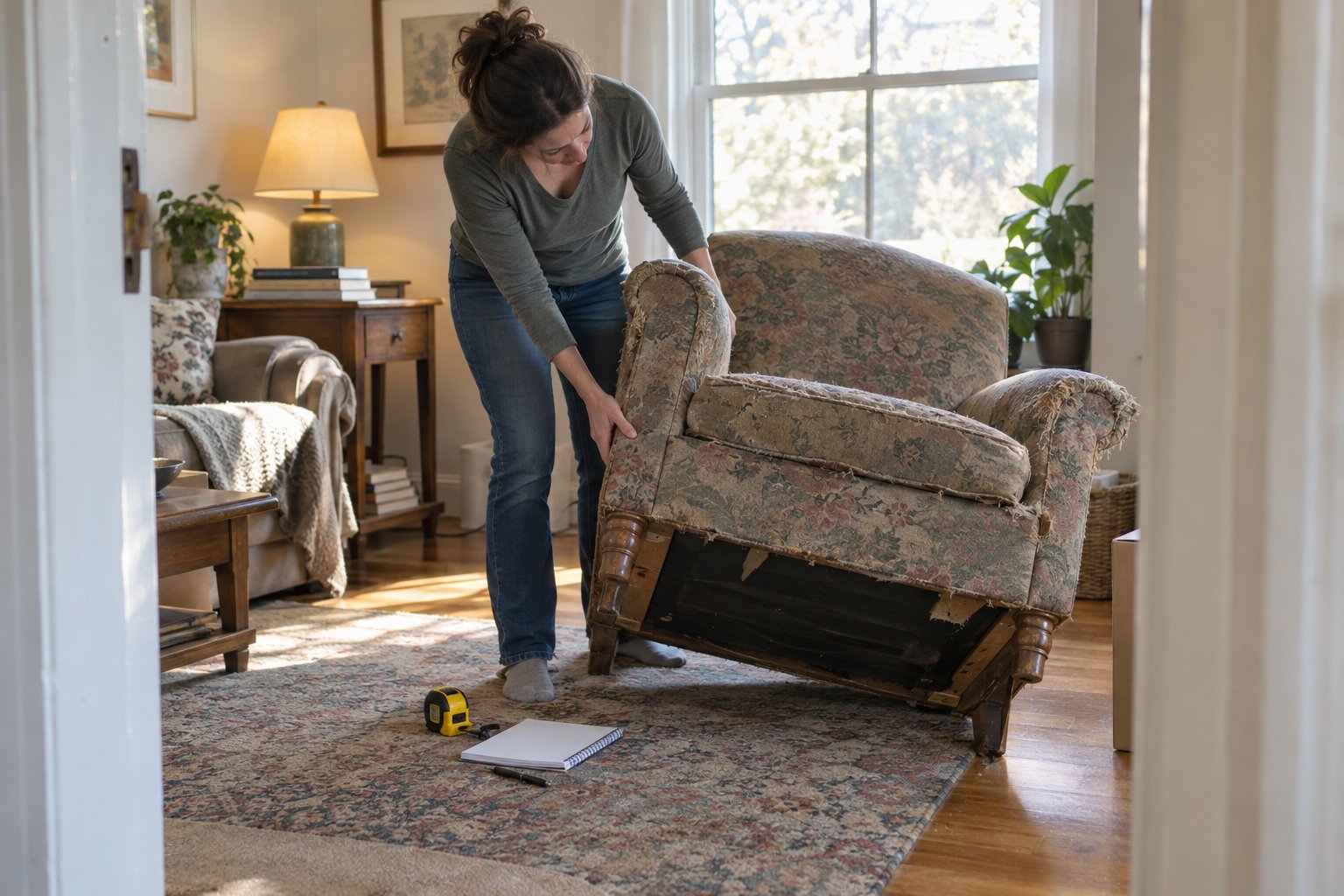
A useful filter: ship what's irreplaceable (photos, heirlooms, documents, items with sentimental weight), ship what's genuinely cheaper to move than to rebuy (quality furniture, tools, specialty equipment), and sell, donate, or store everything else. Electronics are worth checking against your destination's voltage and plug standards before you decide to bring them.
Air Freight vs. Sea Freight
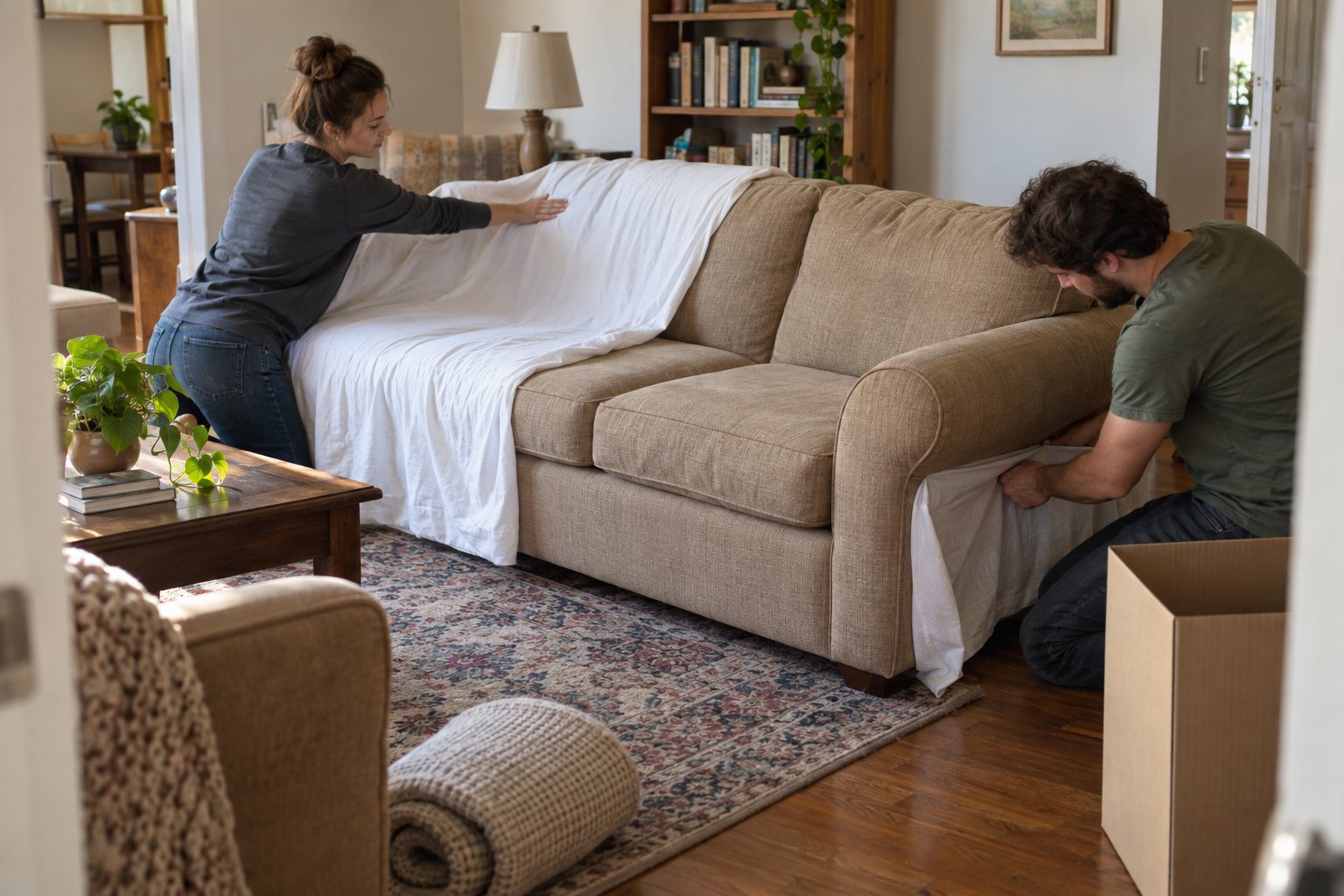
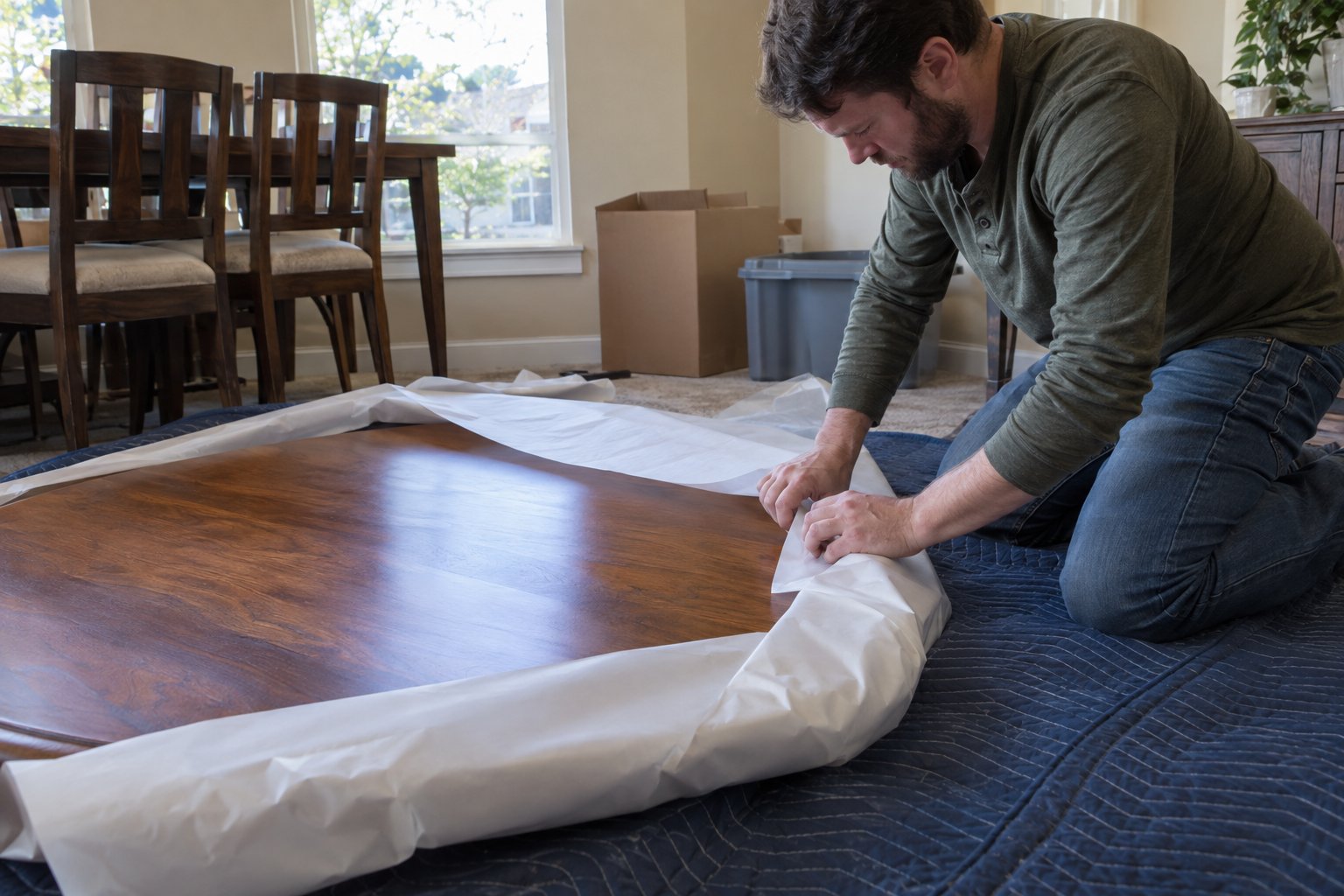
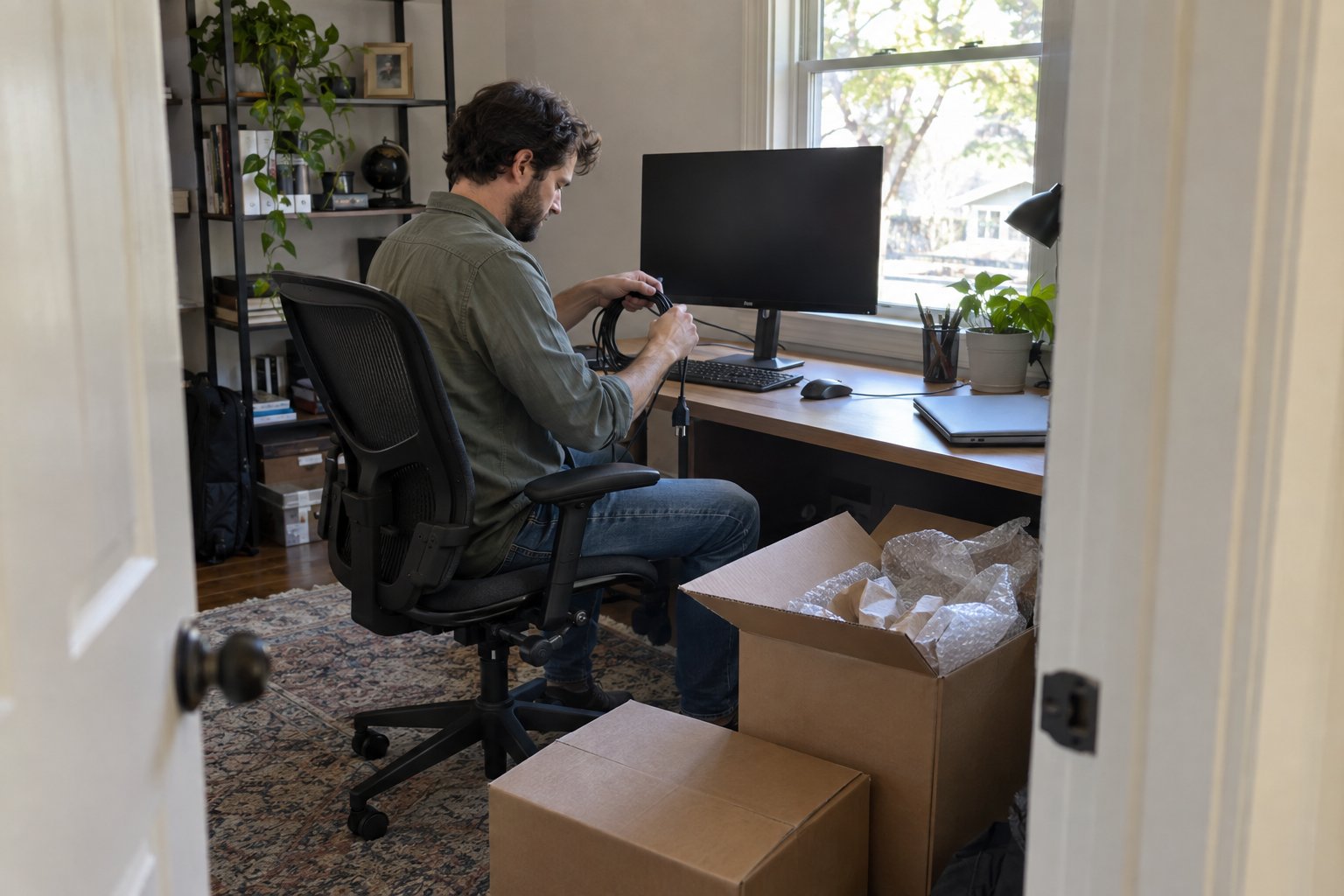
Air freight moves faster but costs more and usually limits you to a few boxes. Sea freight (shipped by container, often shared with other households in a "groupage" load if you don't have enough for a full container) is slower, sometimes eight to twelve weeks, but far more affordable for furniture-sized shipments. Whichever method you choose, pack anything going into a long transit carefully: wrap fragile and valuable pieces well, label boxes clearly, and keep an inventory, since you likely won't be able to open and check items again until they land.
How Do You Handle the Logistics on the U.S. Side Before You Leave?
Before you leave, you need to formally close out your U.S. address, finances, and any remaining household goods, not just lock the door and go. Loose ends here cause real problems later: forwarded mail that never arrives, a lease that technically isn't closed, or a storage unit nobody is paying attention to from another time zone.
Work through these in the final weeks before departure:
- File a change of address and update it with banks, subscriptions, and government agencies
- Decide what happens to anything you're not shipping or selling before move-out day, including furniture you no longer want
- Close out or transfer utilities, and get final statements for anything you'll need for tax purposes abroad
- Arrange international health coverage or confirm when your destination's coverage begins
- Notify your bank of international transactions and set up a way to move money between countries
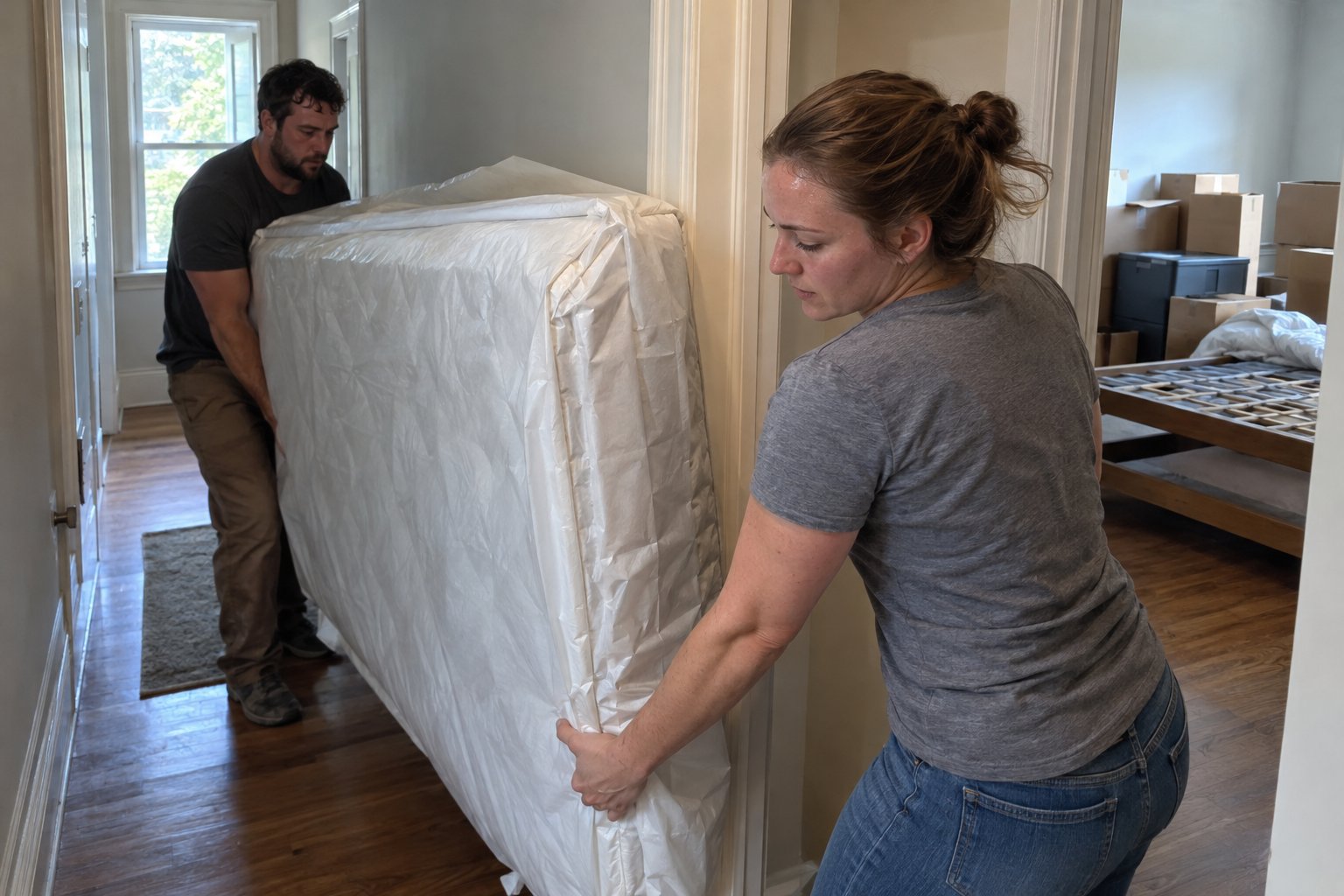
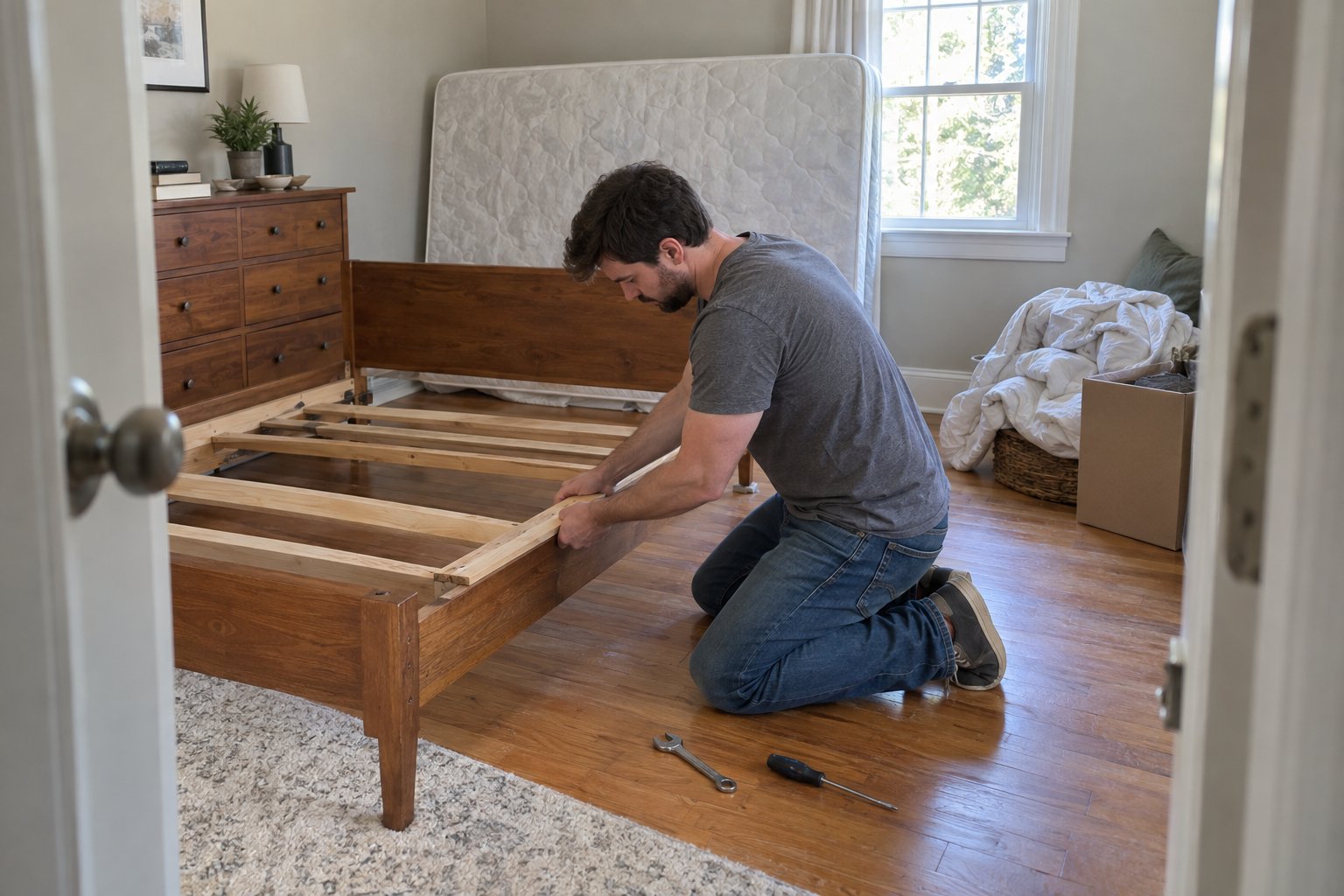
If you're emptying out a home before departure and need help getting everything packed, loaded, and staged locally, that's the kind of hands-on work our residential moving services cover, taking the physical load off your plate while you handle the parts only you can, like paperwork and visas.
What Should You Pack to Travel With vs. Ship Separately?
Pack a separate bag of essentials to travel with you, assuming your shipped belongings could take weeks to arrive. This should cover at least two to three weeks of daily life: clothing for the climate you're landing in, any medications (with prescriptions and documentation, since not all medications are legal everywhere), chargers, and copies of every important document.
Keep physical and digital copies of passports, visas, birth certificates, insurance policies, and financial records in your carry-on, never in checked luggage or your shipped freight. If your shipment is delayed at customs, which happens more often than people expect, you'll still need access to the documents that prove who you are and why you're there.
How Long Should You Plan for an International Move?
Most international moves need a six to twelve month runway from the decision to the departure date. Visa processing alone can take several months depending on the country and category, and freight shipments add another one to three months of lead time on top of that.
A rough sequencing to work from:
- 6-12 months out: Confirm visa eligibility and begin the application
- 4-6 months out: Decide what to ship, sell, or store; get freight quotes
- 2-3 months out: Finalize housing abroad, book shipping, start using up perishables and consumables
- 3-4 weeks out: Close out utilities, confirm mail forwarding, pack your travel bag
- Final week: Confirm all documents are in hand, ship remaining freight, settle any local move-out requirements
However far you're going, getting the local side of your move organized early makes the rest of the planning easier. You can request a moving quote from Alpaca Movers to get that piece locked in while you focus on visas, shipping, and everything else on your list.
Frequently Asked Questions
How far in advance should I start planning to move to a different country?
Start six to twelve months before your target date if possible. Visa processing, document gathering, and freight shipping all take longer than most people expect, and starting early gives you buffer room when one of those pieces runs behind schedule.
Do I need a visa before I can move internationally?
In almost all cases, yes. Entry requirements depend on your nationality, destination, and reason for moving (work, study, family, retirement), so check the destination country's official government or consulate site directly rather than relying on general advice.
Is it cheaper to ship furniture internationally or buy new furniture when I arrive?
It depends on the item and the shipping method. Sea freight is more affordable than air freight for furniture-sized loads, but once you factor in volume-based pricing, many people find it's cheaper to replace basic furniture locally and only ship irreplaceable or high-value items.
What documents should I never pack in checked luggage or a shipping container?
Passports, visas, birth and marriage certificates, insurance policies, and financial records should travel with you in a carry-on, with digital backups as well. Shipped freight can be delayed at customs, and you'll need these documents accessible the moment you land.
What happens to my mail and utilities when I move out of the country?
You'll need to file a change of address, update it with your bank and any subscriptions, and formally close or transfer utility accounts before you leave. Mail forwarding within the same country generally works, but it won't follow you internationally, so update your address directly with anyone who needs to reach you.

Alpaca Movers has you covered!
.avif)
.png)
Open 24 hrs